When My Daughter Hyperfocused on Dragons, This Is What I Did

When My Daughter Hyperfocused on Dragons, This Is What I Did

by Lindsey Casselman

From the moment I introduced 8-year-old Grace to the How to Train Your Dragon universe, she become OBSESSED with dragons. This wasn’t just an interest in the movies, it was a full-blown SPIN (special interest).

Dragons. Morning to night. Drawing them. Reading about them. Talking about them. Playing with the toys. Watching the movies. Wearing her dragon costume and sleeping with her dragon stuffies.

But dragons are not real, and not on the list of things to study in our homeschool. We were supposed to be learning about physical geography in Social Studies at that time, and frankly, no one was very excited about it.

Riveting stuff like landforms and regions of North America: plains vs. mountains, the Arctic vs. the Maritimes. The Schoolio course had an ongoing activity throughout where we were creating a booklet as we went through each region, one at a time. Learn the geography. Record the land features, water sources, vegetation, and animals for each.

She had zero interest.

To be honest? Neither did I.

But I’ve been at this long enough to know when it’s time to toss the plan and follow the spark instead. So one day, after reading the lesson to her aloud, I looked at her and said:

“What kind of dragon would live here?”

That was all it took.

Every lesson from that point on was golden. For each region, she studied the environment and designed a dragon that could survive there — down to the smallest detail.

The plains dragon was a dusty yellow and burrowed in wheat fields. It lived in underground dens and hunted at dusk, camouflaging in the tall grasses.

The Arctic dragon was brilliant white, blending into the snow and ice. It was slow-moving, conserving energy in the cold, and had thick scales to withstand frigid temperatures.

Snow wing
Snow Wing Dragon

The Maritime dragon? A shimmering blue sea serpent, waterbound and fast, feeding on fish and crustaceans, curled up in coastal caves during storms.

Swamp Swimmer
Swamp Swimmer Dragon

The mountain dragon was stone-grey and jagged, with thick claws that helped it cling to steep cliffs. She told me it would “echo-roar” through the valleys when it was angry.

Sea Wing
Sea Wing Dragon

She even brought out the clay and sculpted each of them — every single one. We had an entire dragon ecosystem on our homeschool table by the end of the week.

And she remembered everything.

Not just the dragons — the geography. The climate. The vegetation. The animals. The features of each region. It stuck.

Because when learning is connected to something meaningful — even something mythical — it matters. It lands. It lives in their brains and bodies in a way a worksheet never could.

We didn’t abandon the curriculum. We just used it differently. And isn’t that the whole point of homeschooling?

To follow the spark. To shift when something’s not working. To take a kid’s hyperfocus and say, “Yeah, let’s go there.”

Dragons and all.

? Lindsey

certified special-ed educator & co-founder, Schoolio

How I Learned to Stop Comparing My Homeschool to Public School

How I Learned to Stop Comparing My Homeschool to Public School

By Lindsey, certified special-ed educator & co-founder, Schoolio

When I think back on our homeschool journey, there’s one chapter I almost didn’t want to admit. It was the year Grace still couldn’t read.

She was nine. Nine years old, and reading hadn’t clicked. Every night, after she went to bed, I would lie awake spiraling. I thought I had ruined her or that I was the problem. Reading the benchmarks only made it worse. Public school laid out exactly what was expected by first grade. Yet there I was, years later, feeling like I had broken something in her by trying to do it all differently.

I tried everything. From phonics programs to full curriculum bundles, I spent money we didn’t really have on tools that promised results. Our printer groaned under the weight of all the worksheets. There were days I begged, bribed, and cried. And she hated all of it.

One day, after another tense battle over a workbook, Grace looked at me and said, “I hate reading. I hate books.”

It broke me.

I gave up. I stopped pushing. Honestly, I stopped trying. I said to myself, fine. She’ll be illiterate. We’ll figure it out later. But I couldn’t keep doing that to either of us.

A few months later, something unexpected happened. We downloaded a video game called Stardew Valley. It’s slow-paced, gentle, and deeply story-driven — but it has no spoken dialogue. Everything is written in captions. At first, she’d call me from the other room every few minutes to read something. I’d drop what I was doing and go help. Over and over.

Then, one day, the requests stopped. I realized she wasn’t calling anymore — she was reading it herself.

Within three weeks of playing that game daily, something had clicked. I watched my daughter — the one I thought I had failed — read fluently, joyfully, independently. And I cried again, but this time for a different reason.

It wasn’t that she couldn’t learn. It was that she didn’t learn the way I was taught to expect. She needed time, space, and motivation that was meaningful to her. She needed me to stop comparing her to arbitrary timelines built for someone else’s classroom.

Homeschooling gave her that chance.

Now, when I hear a parent panic because their kid isn’t “on grade level,” I get it. I really do. But I also want to gently offer: maybe the problem isn’t your child or your teaching. Maybe it’s the invisible comparison you’ve been carrying — the one that says there’s only one right way to learn, and it happens in a public school classroom, on someone else’s clock.

Grace taught me that’s not true. Learning is not linear. It’s not uniform. It’s not a race. Sometimes, letting go is the most loving, brave thing you can do — for both of you.

certified special-ed educator & co-founder, Schoolio

Why the Current School System Wasn’t Built for Neurodivergent Kids

Why the Current School System Wasn’t Built for Neurodivergent Kids

By Sathish, Founder of Schoolio

This has been on my mind today…

When I was a kid growing up in Singapore, the classroom was a machine — neat rows, rigid structure, and one right way to behave, think, and perform. You either followed the rules or you were labeled. I was restless. I couldn’t sit still. My energy and curiosity didn’t have a place in that space, and there were no words for why I struggled. Neurodiversity wasn’t a concept we understood. You were either teachable or a problem.

That stayed with me.

Decades later, I see the same story playing out in schools across North America. Parents tell me how their kids are being flagged for behavior issues, attention problems, refusal to comply — all symptoms of being wired differently in a system built for uniformity.

Let’s be honest. The current school system wasn’t designed with neurodivergent learners in mind. It was built for efficiency, not flexibility. For order, not curiosity. And that mismatch is costing kids their confidence.

I’ve spoken with families whose children were once constantly in the principal’s office, overwhelmed by sensory overload, crushed by the pressure of timed tests, or made to feel like failures for not sitting quietly through long lessons. Many of these same kids began to thrive the moment they left the traditional classroom.

Homeschooling, for them, wasn’t a backup plan. It was freedom. It was healing. And for many, it was the first time learning felt possible.

At Schoolio, we don’t pretend to know everything about every child. But we do know that education should flex to fit the learner — not the other way around. Our online homeschool programs were built to allow pacing changes, subject switches, breaks when needed, and curriculum that doesn’t punish kids for needing to move, think differently, or question the process.

Is homeschooling effective for neurodivergent kids? I’ve seen it change lives, children regain their self-worth, and repair the relationship between learning and joy.

It’s not about perfect lessons or checking every box. It’s about giving kids the space to show us how they learn. Once we stop trying to fix them, we see there was nothing broken to begin with.

Sathish

still learning, still unlearning

What Chloe’s Story Reminds Us About Mental Health and the Limits of Traditional School

What Chloe’s Story Reminds Us About Mental Health and the Limits of Traditional School

by Sathish

This has been on my mind today…

I read Chloe Jones’ story in The Big Issue recently, and it brought up something I’ve seen time and time again: when school no longer feels safe, kids find another way.

Chloe was labeled lazy. But what she was really carrying was anxiety. That invisible weight kept her from fully showing up at school — and instead of support, she was met with punishment. That’s the moment that broke my heart. Because that moment isn’t rare.

We’ve spoken with so many families at Schoolio who’ve lived a version of this. Their child wasn’t thriving, their mental health was deteriorating, and the school system just wasn’t equipped to respond with what was actually needed — understanding, flexibility, emotional safety.

So Chloe did what many brave students and parents do: she left.

She taught herself. She found community through her local Youth Zone. And she went on to earn top marks and awards at college. Her story doesn’t surprise me — but it inspires me. It shows what’s possible when a learner is finally given the freedom to move at their own pace, in an environment that feels safe.

This is why Schoolio exists. Not to replicate school at home, but to give families the tools to rebuild something better.

We’ve embedded social-emotional learning into the curriculum because it’s not optional anymore — it’s essential. We’ve designed our lessons to work digitally or offline so families can find a rhythm that works for them. And we make sure parents have community, because no one should have to do this alone.

Chloe’s success didn’t happen in a vacuum. She had motivation, yes. But she also had the space and support to heal while she learned.

That’s the balance we aim to strike at Schoolio — where mental health isn’t an afterthought, but part of the design. Where kids don’t have to choose between feeling okay and getting an education.

If you’re a parent, a microschool founder, or someone building alternative models of education — Chloe’s story is your reminder that the path forward isn’t just about curriculum. It’s about care. And that’s something we can all build around.

Sathish

still learning, still unlearning


? Want to support your child’s education and their mental health?

Explore our bookstore, check out our SEL program or join our 7-day trial to see how it feels in your home. 

When the System Breaks, Parents Step In

When the System Breaks, Parents Step In

by Sathish

This has been on my mind today…

The CBC story about Ontario stepping in to take control of four major school boards — including TDSB and TCDSB — hit hard, but it didn’t surprise me.

Mismanagement. Overspending. Broken trust.

It’s the kind of news that confirms what many parents have felt for a long time — the system isn’t just strained, it’s cracking. And when the system breaks, parents step in.

I’ve spoken with families in Toronto, Mississauga, Ottawa — parents who aren’t anti-school, they’re anti-chaos. They’re tired of seeing decisions made behind closed doors, while their children get shuffled, silenced, or lost in the mix.

When a school board needs to be taken over by the province, it’s not just a governance issue — it’s a signal to parents that no one’s steering the ship. And for some, the only real option left is to jump.

That’s why so many are turning to homeschooling. Not out of rebellion, but out of necessity. Not because they think they can do it all perfectly, but because they’ve lost faith that anyone else will put their kids first.

The truth is, the line between school and politics has always been blurry. But lately, it’s become hard to see the kids at all.

And here’s the part that worries me — in this vacuum of leadership, families are left choosing between two extremes. A system plagued by deficits, staff shortages, and closures. Or a DIY homeschooling path with no roadmap and no support.

But there’s a third path. And that’s where Schoolio comes in.

We’re not trying to replace the school system. We’re trying to build an alternative that works — something structured, supportive, and safe.

We align our curriculum with provincial standards because families deserve clarity. We offer live tutor support and parent communities because no one should homeschool alone. And we give you clear, trackable progress tools so you always know your child is moving forward — not just in academics, but in confidence and wellbeing too.

The bigger story in this government takeover isn’t about politics. It’s about trust. And once that’s broken, parents will do what they’ve always done — protect their kids, even if it means stepping into the unknown.

If that’s you — if you’re standing at that edge, wondering if it’s time to take back control — we’re here. Not with perfection, but with a plan. With people. With structure that puts your child at the center.

Because when the system breaks, we don’t give up. We build something better.

Sathish

still learning, still unlearning


? Want to see how Schoolio supports regulated, structured homeschooling in Ontario and beyond?

Explore our bookstore, check out our course catalog or join our 7-day trial to see how it feels in your home.

Fear Doesn’t Always Announce Itself with a Loud Bang

Fear doesn’t always announce itself with a loud bang. Sometimes, it whispers. Sometimes, it hides behind uncertainty, camouflaged in the endless tabs we open at midnight searching for answers. For many parents, the decision to homeschool isn’t driven by rebellion against the school system, but by love—a deep, unwavering desire to do what’s best for their child. And yet, that love often collides headfirst with fear. Not fear of teaching, but fear of not knowing how to start.

There’s a quiet vulnerability that comes with stepping away from something familiar, even if that familiarity no longer fits. Traditional schooling, with its bells and classrooms, offers predictability. Homeschooling, on the other hand, feels like stepping into the unknown. What if I mess it up? What if my child falls behind? What if I’m not enough?

This is the inner monologue we hear from families all the time. It’s not doubt in their children—it’s doubt in themselves. The moment you remove the scaffolding of a school system that’s dictated your child’s learning path for years, you’re left with a blank canvas. And while that can feel freeing, it also feels heavy. That fear is real. It’s the same feeling I had the first time I tried to build IKEA furniture without the manual—confused, overwhelmed, surrounded by pieces that didn’t yet make sense.

At Schoolio , we don’t dismiss that fear. We honor it. Because hidden within that uncertainty is the beginning of something powerful. Our platform wasn’t built just to deliver curriculum—it was built to guide. To hold your hand through those first awkward steps. To whisper back at your fears, “It’s okay not to know yet. You’re not alone.” That’s why onboarding is such a core part of what we do. It’s not just about logging in and choosing a subject—it’s about gently easing parents and students into a rhythm, giving them the courage to find their own way.

We believe homeschooling isn’t just an educational choice—it’s a decision to reclaim trust in yourself as a parent and in your child as a learner. And trust doesn’t come from flashy promises or academic jargon. It comes from experience, support, and one small win at a time. From watching your child grasp a concept you taught them. From discovering that learning can happen at the kitchen table, in the backyard, or curled up with a book in bed.

So no, it’s not the fear of homeschooling that holds people back—it’s the fear of starting. And the only way to quiet that fear is to take that first small step. At Schoolio, we’ve designed every part of our platform to make that step feel less daunting. Because we know that once you begin, once you feel that shift from fear to confidence, everything changes. Not just for your child, but for you.

And that’s when homeschooling stops being scary—and starts becoming home.

You've been crafting a homeschooling lifestyle that goes beyond the ordinary.

New to Homeschooling? Here’s the Common Causes of Homeschool Struggles (and How to Fix It)

Were you ready for homeschool joys but find yourself with mostly homeschool struggles? You’re not alone! In fact, if you’ve removed your kids from public school to homeschool, you’re likely dealing with the same struggles I did when my kids were new to homeschooling.

If you’ve been homeschooling for a few months now,  maybe you’re starting to find your groove. Or, maybe you’ve discovered approximately 47 ways that don’t work and are still searching for that elusive peaceful rhythm. Either way, common homeschool struggles may be making you feel overwhelmed.

Do you find yourself wondering how seasoned homeschool parents manage to survive—even thrive—in this gig? You love your children, of course. You’d step in front of a moving bus for them. But let’s face it: they’re always here now. Like, always. And it can be a bit much.

When do you get a break? When do you get time for yourself? Why do they need a snack every 14 seconds or want you to referee every disagreement? Deep breaths. I’m here to help.

Here’s the veteran homeschooler’s secret: Homeschooled kids do become more independent. But getting to that point takes time. Your kids are unlearning a lot of habits and behaviors picked up in the school system—and that’s a process. The longer your kids have been in the school system, the longer that unlearning can take. So if homeschool struggles have you tearing your hair out and second-guessing your life choices, you’re not alone. Let’s talk about what might be going on.


1. They’re Asking Permission for Ev.er.y.thing

Need to sharpen a pencil? Get a tissue? Use the washroom? Ask permission first. That’s how it worked at school, and your kids are used to it. Schools need these rules to manage 30+ kids at once, but at home, it can make you feel like you’re the cruise director of the S.S. Homeschool. It’s exhausting.


If one of your big homeschool struggles is frustration from the feeling that your kids can’t do anything on their own or make simple decision, try this: Take a deep breath and gently remind them, “You don’t need my permission for that. I trust you to decide.”

Resist the urge to just give them the go-ahead—it’ll only reinforce the habit. Empower them instead, and over time, they’ll learn to take initiative. These small shifts give them more autonomy and means they spend less time bugging you for help with simple things.


2. They Don’t Know What to Do with Free Time

Public school schedules every moment of a child’s day, from math class to bathroom breaks. At home, formal learning likely takes you anywhere from 30-minutes to a maximum of 2-3 hours, depending on the age of your kids. That leaves a lot of free time, which is one of the amazing gifts of homeschooling- expanding and extending childhood through free time, but the wide-open spaces in your schedule might actually feel really overwhelming to your kids at first.

bored kid lays on red couch

That’s why you may be hearing a lot of, “I’m bored,” even though you look around at all the books, toys, games, and technology that litter the house and think, “HOW?!?”

            

These kinds of homeschool struggles are common at first. Here’s how to work towards a fix: Instead of micromanaging their time, try brainstorming a “What to Do When You’re Bored” list with them. Write down activities they enjoy or want to try, and pin it somewhere visible. Forbid the words “I’m bored”—chores are a great consequence for that—and encourage them to make their own decisions about how to fill their time. They’re learning to be autonomous, at first with the support of the list they contributed to, and soon they won’t need it and will become more comfortable with filling their own time and amusing themselves- an invaluable life skill! It takes a little time, and you’ll be tempted to just plan more activities f or them, but remember, you are not their cruise director, it’s not your job to ensure they’re entertained every minute of every day. You’re teaching them something valuable in solving their own boredom and it’s worth the effort.


3. They’re Always in a Rush

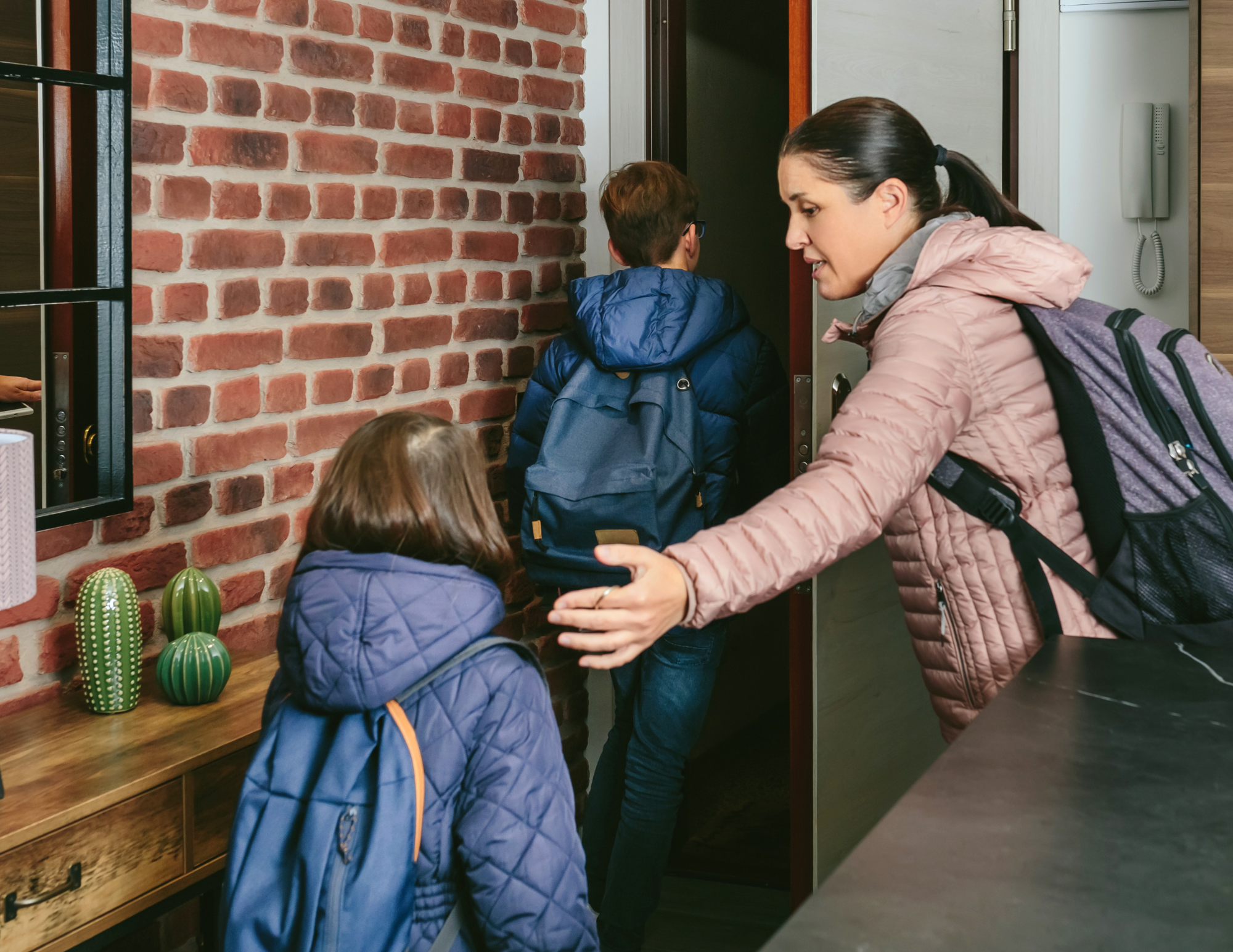
Schools operate at a breakneck pace: “Quickly and quietly through the halls!” “The bell rang—get to your next class!” “Hurry up or you’ll miss the bus!” And while your kids were in school, it may have felt like your home life was the same- “Hurry up and get ready for the bus!” “We’re late for swimming lessons!” “Take a super quick shower, it’s almost bedtime!” It’s no wonder if our kids seem anxious! If during your early days of homeschooling, your kids seem anxious, impatient, or like they’re constantly rushing through tasks, this is a very normal response to life spent in a mad-dash.
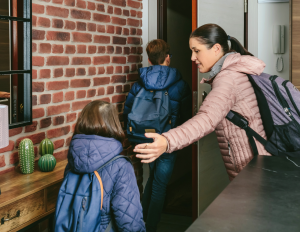
mom and two kids rushing out the door

Homeschooling offers the luxury of time, but it takes adjustment. Show your kids how much free time they actually have. One great strategy is to use a visual schedule to map out the day and let them plan how they’ll spend their free blocks. This helps ease their transition from rushed chaos to a peaceful rhythm and tackles some of those early homeschool struggles.


4. They’re Fighting More with Their Siblings

Sibling squabbles are normal, but if it feels like they’re constantly at each other’s throats, remember this: School culture teaches kids that it’s uncool to associate with anyone younger than themselves. This mindset can carry over at home, making siblings view each other as rivals instead of teammates. Most homeschool families I’ve talked to, including my own, find that siblings are incredible friends and spend a lot of wonderful time during their childhood together, making a great bond. You likely want this for your children too, so don’t give up on encouraging a new dynamic!

Homeschooling gives you the perfect opportunity to reframe this dynamic. Encourage collaborative activities that require teamwork, like building something together or cooking a family meal. Over time, your kids will learn to see each other as allies instead of annoyances, helping to reduce these kinds of homeschool struggles.


5. They’re Acting Disrespectful

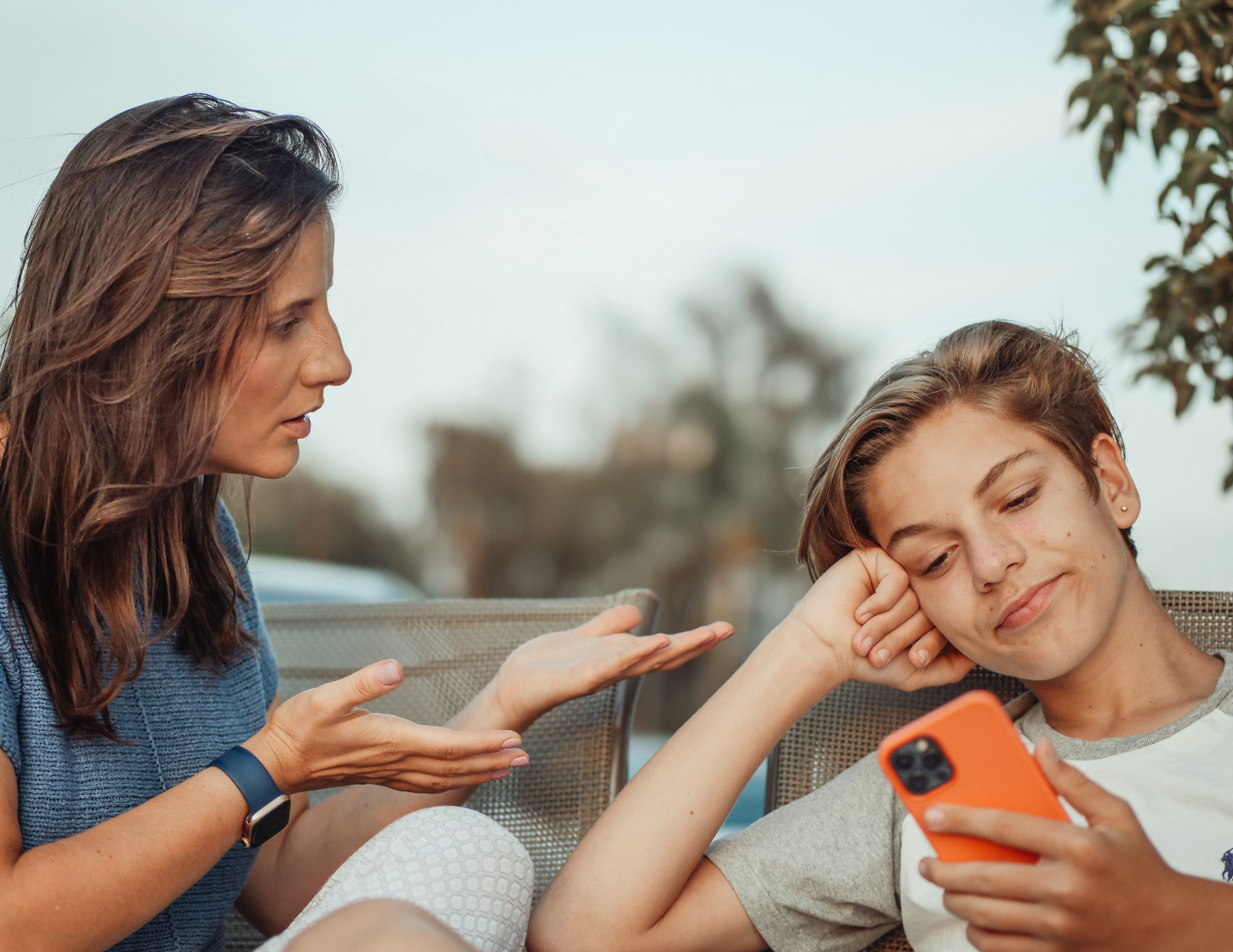
School culture rules teach our kids that “adults are the enemy” and to view authority figures with suspicion. Think about it: Teacher’s Pets are teased, tattling isn’t cool, even if the other person was being unsafe, and confiding in parents, teachers, or other adults is a fast track to social exile. Breaking the rules, pushing boundaries, and seeing just how much you can get away with is generally considered cool. In a lot of schools, getting into trouble is a badge of honor. It’s no wonder your child might be hesitant to trust or respect you at first.
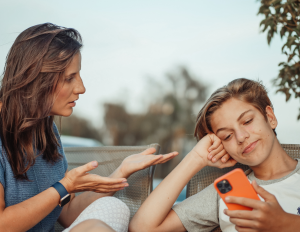
mom talks while teen looks at phone, not listening

Be patient here. Trying to force them to show you respect will most likely lead to more resistance and push back. Show them, through your actions, that you’re a safe, caring person who wants the best for them, who they can confide in, and who they can trust. They already know this about you, they just need to unlearn the school teachings that made them feel obliged to block you out. Keep on listening to them, validating their feelings, and gently correcting disrespectful behavior. With time, they’ll learn that they don’t have to maintain the facade that they don’t like you, and the walls they’ve built will come down.


6. They Don’t Seem to Think for Themselves

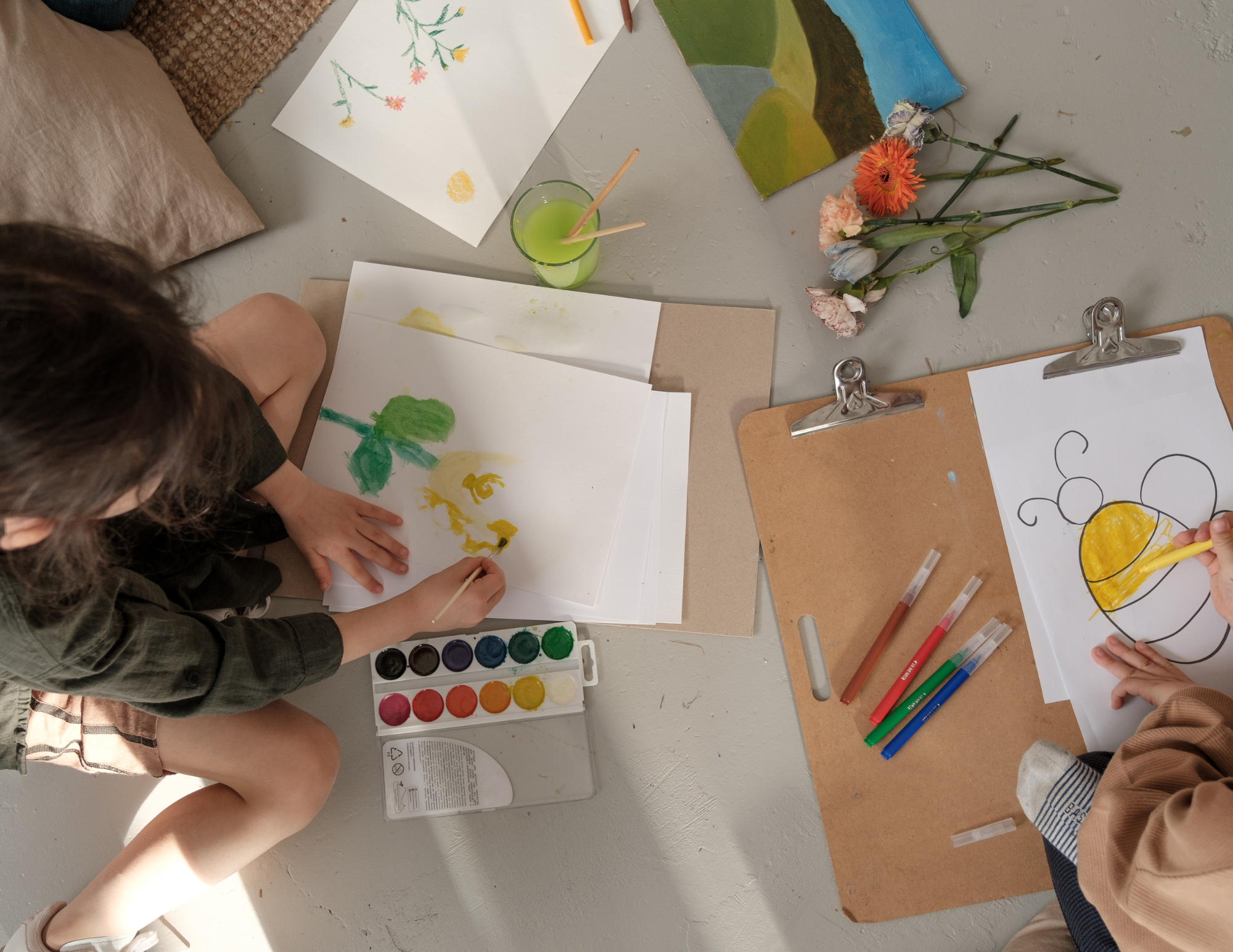
Were you really excited to ask your kids what THEY wanted to learn and following those sparks of curiosity with your kids? And then did you ask them what they wanted to learn, only to be meant with blank stares and shrugs? Remember that at school, conformity is king. This happens in two ways: First, in the classroom, there’s little time for creative thinking or exploring ideas outside the curriculum. Kids learn to not ask a lot of questions out of curiosity, but to just give the “right” answer if they know it, and if they don’t know the answer, someone else gives the right answer instead, meaning they’re rarely called on to think thoroughly or deeply about things they don’t know or are curious about. Second, the toxic social culture of public school teaches our kids that loving learning and/or being “good at” academics is “uncool”. Think about the classic bully taunts of “nerd”, “teacher’s pet”, or “brainiac”. This is an ingrained part of school social culture, and can be hard to shake your kids loose from. They’ve never been able to have the power of choice in what they learn before, and over the years by being forced to learn things that are neither of interest to them or relevant to their lives, they’ve come think that they “hate learning”. They don’t actually hate learning though, they hate school Now as homeschoolers, you get to make the difference for them!
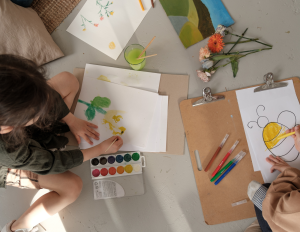
kids painting flowers

Just like a lot of our other strategies, start by offering support. You know your kids better than anyone, so you can probably choose some great science, social studies, or elective topics they’ll love. Remember that you don’t need to teach certain topics certain years just because the school system does it that way. If your kids are into Space, Dinosaurs, Detectives, Cats, or Minecraft, you can always choose those topics for your homeschool learning units. As they get their spark back for loving learning, because they’re interested in the topics, their curiosity will grow and they’ll start to ask to learn about new topics, and as they get older, they’ll self-initiate learning about the things they want to know. This sets them up to be lifelong learners, which is more important to their future success than any marks on a test ever will be!


The Bottom Line

Hang in there, parents! Transitioning from public school to homeschooling is a huge adjustment, not just for your kids, but for you, too. There’s a lot of unlearning to do on both sides. Be patient, be forgiving, and above all, be kind—to your children and to yourself. Lower your expectations. Then lower them again. Take it slow, and eventually, you’ll find your rhythm.

happy family homeschooling

Before long, you’ll see your kids becoming more independent, confident, and creative. And maybe—just maybe—you’ll find yourself wondering why you ever thought homeschool struggles were so overwhelming in the first place.

How Home Working Is Reshaping Education

The Rise of Homeschooling: How Home Working Is Reshaping Education

Excerpt

As home working transforms family life, traditional schooling struggles to keep up. Increased absences reflect the need for flexibility and alignment between work and education. Homeschooling offers a solution, empowering families to create personalized learning journeys that fit their lifestyles. Discover how Schoolio is helping families reimagine education for today’s world.


Source:

https://www.theguardian.com/education/2024/dec/05/home-working-parents-may-be-behind-rise-in-school-absence-ofsted-warns


The Impact of Home Working on Education: Why Families Are Turning to Homeschooling

As home working becomes the new normal for many families, traditional schooling is facing unexpected challenges. According to a recent report by Ofsted, the rise in remote work is contributing to increased school absences, leaving parents questioning how to balance professional and educational responsibilities.

At Schoolio, we view this shift as an opportunity to explore flexible, family-centered approaches to learning. Homeschooling offers a solution that aligns with the demands of modern life, empowering parents to provide quality education without sacrificing their work-life balance.


Why Are School Absences Increasing?

The Guardian article highlights how the flexibility of home working has unintentionally disrupted school attendance patterns. Parents working from home may find it easier to accommodate absences, or they may struggle to enforce regular school schedules while managing their own professional responsibilities.

Other contributing factors include:

  • Mental Health Concerns: Students facing anxiety or stress may find the traditional classroom environment overwhelming.
  • Changing Priorities: Families are re-evaluating the necessity of rigid attendance when alternative options like homeschooling are available.
  • Desire for Flexibility: Both parents and students are seeking learning solutions that fit their unique lifestyles.

How Homeschooling Meets Modern Families’ Needs

Homeschooling offers a flexible, adaptable approach to education that complements the realities of home working. With homeschooling, families can:

  • Align Schedules: Coordinate learning with parents’ work commitments, creating a harmonious balance.
  • Prioritize Well-Being: Focus on mental health and provide a supportive environment for children to thrive.
  • Customize Learning: Tailor the curriculum to suit each child’s interests, strengths, and pace.

At Schoolio, we provide the resources families need to transition seamlessly into homeschooling. Our comprehensive K-8 digital curriculum ensures that parents can deliver a high-quality education without the stress of navigating it alone.


Schoolio’s Role in the Homeschooling Movement

As the homeschooling movement grows, Schoolio is leading the charge by providing:

  1. Comprehensive Curriculum: Core academics, engaging electives, and life skills programs designed to meet diverse needs.
  2. Flexibility: Resources that adapt to each family’s schedule and learning style.
  3. Community Support: Tools for connecting with other homeschooling families, creating a network of collaboration and encouragement.

Homeschooling is no longer a fringe option—it’s a practical, effective choice for modern families. Schoolio makes it accessible, affordable, and achievable for parents seeking an alternative to traditional schooling.


Reimagining Education in a Post-Pandemic World

The rise of home working and school absences signals a broader shift in how families approach education. Traditional systems are struggling to keep up with the demands of modern life, but homeschooling offers a solution that prioritizes flexibility, autonomy, and personalized learning.

At Schoolio, we believe education should evolve alongside society. By decentralizing learning and empowering families, we’re creating a future where education is tailored to the needs of each child and family.

Author: Sathish Bala

The Homeschooling Revolution: Why More Families Are Choosing to Take Education Into Their Own Hands

The Homeschooling Revolution: Why More Families Are Choosing to Take Education Into Their Own Hands


Homeschooling isn’t just an alternative—it’s a movement. Across North America, families are leaving traditional school systems behind to embrace personalized, flexible learning at home. At Schoolio, we’re empowering parents with the tools they need to take charge of their child’s education. Discover how we’re leading the homeschooling revolution, one family at a time.

Source:

https://www.bbc.com/news/articles/c7458d9nvdko


The Rise of Homeschooling: A New Era in Education

As global education systems face unprecedented challenges, an increasing number of families are turning to homeschooling as a way to regain control over their children’s learning. Recent trends, highlighted by the BBC, show a significant surge in homeschooling, driven by a combination of factors including dissatisfaction with traditional schooling, mental health concerns, and the desire for personalized education.

At Schoolio, we see this shift not as a challenge but as an opportunity to transform education. By empowering families with flexible, inclusive, and accessible tools, we’re leading the homeschooling movement across North America and beyond, ensuring every family can access the resources they need to succeed.


Why Families Are Choosing Homeschooling

The reasons behind the rise in homeschooling are as diverse as the families making this choice. Many parents cite concerns over mental health, bullying, or the rigid structure of traditional education. Others are drawn to the flexibility and personalization homeschooling offers, allowing children to learn at their own pace and explore their unique interests.

Homeschooling provides:

  • Tailored Learning: Parents can adapt lessons to their child’s needs, focusing on strengths and addressing challenges.
  • Flexibility: Families can design schedules and curriculums that fit their lifestyles.
  • Safety and Well-being: A controlled environment can better support children struggling with anxiety or other mental health concerns.

Schoolio’s comprehensive K-8 curriculum was designed with these needs in mind. Our platform offers parents the tools to create a personalized learning journey, complete with core subjects, engaging electives, and future-readiness programs.


Homeschooling as a Global Movement

Across the UK, reports show that the number of children being home-educated has risen significantly. In Rotherham, for example, homeschooling has increased by over 300% since 2015. This mirrors trends seen across North America, where more families are embracing home education to address gaps in the traditional school system.

At Schoolio, we’re proud to be at the forefront of this global movement. By providing affordable, inclusive resources, we’re making it easier for families everywhere to transition to homeschooling. Our platform is built to empower parents while also supporting the diverse needs of students, including those with neurodivergence or unique learning challenges.


The Challenges of Homeschooling and How Schoolio Helps

Homeschooling offers incredible benefits, but it also comes with challenges. Many families worry about:

  • Finding the Right Curriculum: Choosing resources that meet educational standards while remaining flexible.
  • Managing Time and Responsibilities: Balancing the roles of parent, teacher, and caregiver.
  • Ensuring Social Interaction: Providing opportunities for children to connect with peers.

Schoolio is designed to address these concerns. Our curriculum provides a structured framework while remaining adaptable to individual learning styles. Parents can trust our resources to meet core educational benchmarks, while our electives and enrichment programs ensure students have a well-rounded education.

Additionally, we support families in building homeschooling communities, whether through micro-schools, co-ops, or virtual networks. These connections foster collaboration and provide children with valuable social experiences.


Education Reimagined: Decentralizing Learning with Schoolio

The rise in homeschooling represents a broader cultural shift toward decentralizing education. Families are seeking alternatives to one-size-fits-all systems, and homeschooling offers a path to greater autonomy and innovation in learning.

Schoolio’s mission aligns perfectly with this vision. We believe in putting control back in the hands of parents and creating a system that prioritizes the individual needs of students. By offering a digital-first curriculum, we’re not only making education more accessible but also ensuring it’s adaptable to the demands of a rapidly changing world.


Building the Future of Education Together

As homeschooling continues to grow, the need for resources, advocacy, and support has never been greater. Schoolio is committed to leading this movement, providing families with everything they need to succeed.

Homeschooling isn’t just an alternative—it’s a powerful choice that allows families to shape their children’s education in meaningful ways. Together, we can create a future where education is flexible, inclusive, and truly centered on the needs of learners.


If you’re considering homeschooling or looking to enhance your approach, Schoolio is here to help. Explore our resources and join the movement to transform education for the better.

Author: Sathish Bala

Why More Missouri Families Are Choosing Homeschooling

Why More Missouri Families Are Choosing Homeschooling

Source article,
https://979kickfm.com/missouri-home-schooling-enrollment-increases/


Homeschooling on the Rise: What Missouri’s Surge Means for Families

Missouri is witnessing a significant increase in homeschooling enrollment, reflecting a nationwide trend of parents choosing home education for greater flexibility, safety, and control over their children’s learning. According to recent reports, homeschooling in Missouri has grown steadily as families seek alternatives to traditional education. At Schoolio, we see this as a vital shift toward empowering parents with educational choice and resources to create meaningful learning experiences for their children.

Why More Families Are Turning to Homeschooling

The rise in homeschooling isn’t just a Missouri phenomenon—it’s part of a broader movement across North America. Factors like dissatisfaction with traditional school systems, concerns over safety, and a desire for personalized education are driving parents to explore home education. For Missouri families, homeschooling offers:

  • Flexibility: The ability to tailor learning schedules and curriculum to fit individual needs.
  • Safety: A controlled, secure learning environment at home.
  • Customization: A chance to focus on subjects and teaching methods that resonate with their child’s unique learning style.

These reasons mirror what we hear from families using Schoolio’s K-8 homeschooling curriculum. Our platform provides everything parents need to transition to home education confidently, including core subjects, engaging electives, and future-ready programs.

Missouri’s Homeschooling Surge Reflects Nationwide Trends

Missouri’s Department of Elementary and Secondary Education has noted a steady increase in home education enrollment over the past decade. The pandemic accelerated this trend as families experienced remote learning and began exploring homeschooling as a permanent option. This growth is not isolated—states across the U.S. report similar patterns, signaling a widespread shift toward decentralized education.

Schoolio’s mission aligns perfectly with this movement. We believe that education should empower families and put students at the center of learning. By decentralizing education and offering tools tailored to home educators, we’re helping parents across North America embrace this growing trend.

The Benefits of Home Education in Missouri

For Missouri families, homeschooling provides an opportunity to:

  1. Take Control: Parents have full control over what their children learn and how they learn it.
  2. Build Stronger Bonds: Home education fosters close relationships between parents and children, creating a supportive learning environment.
  3. Address Specific Needs: Whether it’s advanced academics, life skills, or creative exploration, homeschooling allows families to focus on their child’s individual strengths and challenges.

At Schoolio, we make this process easier by offering a structured yet flexible curriculum that supports families at every step of their homeschooling journey.

Challenges and Solutions for Missouri Homeschoolers

While homeschooling offers many advantages, it also comes with challenges. Parents may feel overwhelmed by the responsibility of managing their child’s education, navigating state requirements, or finding quality resources.

That’s where platforms like Schoolio come in. Our K-8 digital curriculum is designed to simplify homeschooling, providing parents with:

  • Ready-to-Use Lessons: Comprehensive resources that cover core subjects and electives.
  • Personalized Learning: Tools to adapt the curriculum to each child’s unique needs.
  • Community Support: Access to a network of homeschoolers and experts who can provide guidance and encouragement.

By addressing these challenges, we’re ensuring that homeschooling remains a viable and rewarding option for families in Missouri and beyond.

Looking Ahead: The Future of Homeschooling in Missouri

The rise in homeschooling enrollment signals a broader cultural shift toward educational choice. For Missouri families, this means greater opportunities to explore personalized learning and create educational experiences that truly work for their children.

At Schoolio, we’re proud to be part of this movement. Our mission is to empower families with the tools and resources they need to succeed in home education. Whether you’re new to homeschooling or looking to enhance your current approach, we’re here to help you every step of the way.

Author: Sathish Bala

Department of Education Highlights Impact of Home School Community Liaison in Schools

Department of Education Inspectorate reports on the Home School Community Liaison Service in Primary and Post-Primary Schools

Strengthening Home Education Through Community Engagement and Support

At the heart of home education lies the connection between families, schools, and communities. A recent report by the Irish Department of Education highlights the critical role of Home School Community Liaison (HSCL) coordinators in fostering this connection. These dedicated professionals work to improve educational outcomes by bridging the gap between home and school, ensuring children receive the support they need to thrive academically and socially.

Empowering Families in Home Education

The HSCL program showcases how empowering families can lead to better attendance, engagement, and retention in education. Coordinators, who are experienced teachers, collaborate with parents, schools, and community organizations to support children’s learning journeys. From organizing activities like cookery classes and library visits to facilitating access to mental health services, HSCL coordinators help create a robust support system that aligns with the principles of effective homeschooling.

For homeschoolers, the report provides valuable insights into the power of engaging with community resources to enhance educational experiences. Whether through partnerships with local organizations or targeted interventions, a strong community network is essential for fostering growth and resilience in children.

Lessons for Homeschooling Families

The report also highlights areas for improvement that homeschoolers can learn from. Effective use of data, such as tracking attendance and progress, ensures that strategies align with educational goals. Similarly, regular reviews of teaching methods and resources can help families adjust their approaches to better meet their children’s needs.

For those homeschooling, these strategies can be implemented at home to create a more structured and effective learning environment. The emphasis on collaboration, targeted interventions, and ongoing review mirrors the flexibility and adaptability that home education embodies.

The Importance of Inclusion and Advocacy

Homeschooling is a journey that often requires advocacy and inclusion. The HSCL program’s work with marginalized groups, such as children from homeless families and unaccompanied minors, underscores the importance of tailoring education to meet diverse needs. Homeschooling families can draw inspiration from this commitment to equity, striving to create inclusive environments where every child feels valued and supported.

Building a Future of Empowered Education

The Irish Department of Education’s report reinforces the need for systemic support, collaboration, and continuous improvement in education—values that resonate deeply with the homeschooling movement. As families take on the responsibility of home education, they can look to programs like HSCL for strategies that emphasize connection, community, and personalized learning.

By adopting these practices, homeschooling families can ensure their children not only achieve academic success but also develop the social and emotional skills needed to thrive in a rapidly changing world. Together, we can create a future where every child has the opportunity to learn, grow, and succeed.

Source Article:

https://www.gov.ie/en/press-release/12c0d-department-of-education-inspectorate-reports-on-the-home-school-community-liaison-service-in-primary-and-post-primary-schools/

Author:  Sathish Bala

Homeschooling Advocacy: Empowering Families and Building Resilience

Homeschooling is about more than just education—it’s about community, resilience, and giving families the tools to thrive. At Schoolio, we believe every family deserves the resources and support needed to take control of their child’s education. Just as organizations like the Special Education Legal Fund (S.E.L.F.) advocate for families navigating complex educational systems, we strive to empower homeschoolers to overcome challenges and embrace personalized learning.

Community as the Foundation of Home Education

Events like S.E.L.F.’s recent Homecoming fundraiser highlight the power of community in education. Bringing together over 250 supporters and raising over $300,000, this event showed what’s possible when people unite to support families and ensure equitable access to education. Homeschooling families can find inspiration in this spirit of collaboration, as building a strong network is essential for navigating the unique challenges of home education.

At Schoolio, we encourage homeschoolers to connect with others, share experiences, and build resilient communities. By working together, families can foster creativity, celebrate diversity, and support one another in creating tailored education plans that meet each child’s needs.

Advocating for Homeschooling Families

Advocacy plays a critical role in ensuring families have access to the tools they need for success. Just as S.E.L.F. provides resources for navigating special education, homeschoolers also benefit from organizations that work to make home education accessible and affordable. At Schoolio, we believe every family has the right to choose a path that fits their values and their child’s learning style.

As the homeschooling movement grows, so does the need for advocacy and awareness. Whether through promoting policy changes or creating resources for new homeschoolers, we’re committed to making home education a viable and rewarding option for families across North America.

Celebrating Resilience in Homeschooling

One of the most powerful lessons from S.E.L.F.’s work is the importance of resilience. Homeschooling families face unique challenges, from finding the right curriculum to managing multiple roles as parent and educator. By fostering resilience, homeschoolers can navigate these challenges with confidence and creativity.

At Schoolio, we’re here to help families build that resilience by offering comprehensive K-8 digital curriculums, engaging electives, and community support. Like S.E.L.F., we’re inspired by the dedication and passion of families who are paving the way for a brighter educational future.

Moving Forward Together

Whether you’re homeschooling, supplementing traditional schooling, or exploring alternatives, your journey matters. As organizations like S.E.L.F. demonstrate, the strength of a community lies in its ability to support and uplift its members. Together, we can transform homeschooling into a movement that empowers families, celebrates diversity, and ensures every child has access to a quality education tailored to their needs.

Let’s make homeschooling a movement of resilience, choice, and opportunity. Join us in shaping the future of education for families everywhere.


Source article,

https://www.greenwichsentinel.com/2024/12/04/special-education-legal-funds-homecoming-was-a-home-run/