Online Tools for Homeschool Planning and Record Keeping

“Success doesn’t happen by accident. It’s planned.”

Let’s be honest—homeschooling is an adventure, not just for the kids! It requires proper planning and steady record-keeping. From keeping track of lessons to ensuring attendance is on point, it can sometimes feel like juggling a million things simultaneously. Piles of papers, sticky notes everywhere, and let’s not even talk about lost assignments! But what if there’s a way to keep everything organized without losing your mind?

That’s where homeschool record-keeping software comes in. These lifesavers do the heavy lifting so you can focus on what really matters. You can concentrate on teaching and spending quality time with your kiddos. Ready to ditch the chaos and dive into a more organized homeschool life? Let’s get into it!

Experience with Different Homeschool Record-Keeping Software

You’ve probably tried a little bit of everything to keep your homeschool organized, right? Maybe you started with a trusty paper planner, thinking it would do the trick. But soon, the pages began piling up, your notes got lost, and keeping track of everything felt like a part-time job in itself.

Switching to spreadsheets might have felt like a good idea at first. You know, it seemed simple—just type in the lessons, track attendance, and boom, done! But things got messy when you missed a few days or couldn’t remember where you saved the file. It happens to the best of us!

That’s probably when you thought about trying online tools. Suddenly, everything feels easier—lesson plans, attendance, grades—everything is in one place. Now, you don’t have to scramble to find that missing piece of paper. You’ve likely realized that the right tool can make a world of difference, turning homeschooling into an organized dream.

Homeschooling can be wonderfully flexible, but that same freedom also requires a good structure. Organized record-keeping is important when it comes to transcripts, report cards, or even daily lesson plans. Not only does it help you stay compliant with state requirements, but it also provides peace of mind.

An organized system like Schoolio’s helps you track your child’s progress, identify gaps in learning, and make adjustments on the fly. Plus, you’ll need professional-looking transcripts when your child reaches high school. It’s not just about staying on track—it’s about preparing for the future. Let’s dive deep into the homeschool record-keeping software available online.

Overview of Available Online Homeschool Record-Keeping Software

You may have seen countless options for homeschool record-keeping software reviews, but how do you know which one’s the best? Here are a few popular tools:

Schoolio: Your All-in-One Homeschool Organizer

Image Source: Schoolio

It is as easy as it sounds—you open your Schoolio dashboard, and everything’s laid out for you! It helps you keep lesson plans, student profiles, attendance, and grades all in one place. For example, if you’re planning a week’s worth of math lessons, you can automatically assign lessons to your child and track their progress.

No need to dig through papers or type up a spreadsheet. Schoolio has built-in templates for everything, allowing you to adjust your plans. What’s even better? Schoolio offers customized curriculum options. So, if you’re stuck wondering what to teach next, don’t worry. Schoolio is here to rescue you. Schoolio’s free tools simplify homeschooling if you’ve ever felt overwhelmed by the planning process.

Edu-Track and Its Learning Curve

Image Source: Edu-Track

If you’ve been homeschooling for a while, you might have come across Edu-Track. It’s a powerful option known for its detailed reports and robust features, but the learning curve can be steep. When you first start, you may spend more time setting up the system than planning your lessons.

Once everything is up and running, Edu-Track can be a solid choice. It allows you to track attendance, grades, and assignments in one place. However, for parents looking for a quick and easy setup, the initial complexity of Edu-Track might have been a bit daunting. And while it’s great for detail-oriented homeschoolers, it can feel overwhelming if you prefer a more straightforward tool.

Homeschool Minder

Image Source: Homeschool Minder

Then there’s Homeschool Minder, a budget-friendly option that covers the basics. It’s perfect if you need simple record-keeping tools without a lot of bells and whistles. You can log your child’s attendance, plan lessons, and track grades, all within a single platform.

However, if your homeschool needs go beyond the basics, you might have felt like Homeschool Minder was a bit limiting. For example, you may wish for more advanced features if you want in-depth reports. That said, for families looking for a no-frills option, Homeschool Minder can still get the job done.

Homeschool Planet

Image Source: Homeschool Planet

Homeschool Planet is a standout in terms of flexibility and ease of use. One of the first things you’ll notice is how customizable it is. You can create a simple weekly schedule or dive into detailed lessons. Also, its drag-and-drop interface is intuitive, meaning you can easily adjust without feeling overwhelmed.

Each of these options has its strengths and weaknesses, so let’s dive into how they work.

Setting Up an Account on Homeschool Record-Keeping Software

The first step in using any online tool is getting set up. Most platforms have a simple sign-up process, but some can be tricky!

  1. Creating an Account and Initial Setup Process

When signing up for any homeschool record-keeping software, expect a straightforward process. It usually involves entering basic information about your homeschool and child. Some platforms, like Schoolio, have you customize settings right from the start, which is super helpful.

Source: Schoolio Learning

  1. Using Setup Wizards and Intuitive Interfaces for Smooth Transition

The best tools offer setup wizards that guide you step-by-step. This is a lifesaver if you’re not particularly tech-savvy. Edu-Track, for example, uses a simple interface that walks you through every step, making the transition smooth. Schoolio, too, follows an easy process to get you started.

  1. Initial Technical Difficulties and Available Support Systems

As with any new tool, setting up your homeschool record-keeping software can be a hiccup, too. Luckily, most platforms like Schoolio provide robust support systems. These include video tutorials, FAQs, and live chat options. This means that even if you hit a roadblock, help is just a click away.

Also Read: Free Printable Homeschool Worksheets for All Subjects and Levels

Now that we’ve shared some setup stories, let’s get into the fun part. What cool features do these online tools have to make your life easier?

Key Features of Online Homeschool Record-Keeping Software

The real magic happens once you start using your homeschool record-keeping software. Here are some key features that make these online systems indispensable.

Lesson Planning: Creating and Assigning Lessons

One of the most time-consuming aspects of homeschooling is lesson planning. Homeschool record-keeping software allows you to create lessons and assign them to your child with just a few clicks. You can even set up recurring assignments to save even more time. Some platforms offer pre-made lesson plans that you can customize.

Attendance Tracking: Recording Daily Attendance and Instructional Hours

Attendance tracking might seem tedious, but it’s necessary for states that require proof of instructional hours. Most tools make it easy to log attendance daily or weekly. Plus, some even allow you to track multiple students at once.

Grade Recording: Tracking and Calculating Grades Automatically

Gone are the days of manually calculating grades. Homeschool record-keeping software offers automatic grade tracking. This feature ensures that all tests, quizzes, and assignments are in the final grade. It helps you to save a lot of time and ensures accuracy.

Transcripts: Building Professional Transcripts for College Applications

If you’re homeschooling a high schooler, creating professional transcripts is important. Many platforms have built-in transcript generators that format everything perfectly. It makes your life easier when it’s time for college applications.

Now, let’s talk about how these tools get your kids more involved and responsible for their own learning!

Student Access and Involvement with Homeschool Record-Keeping Software

Getting your kids involved in the process can be fun and helpful. Many homeschool record-keeping softwares empower children to take responsibility for their learning.

Setting Up Individual Student Profiles and Logins

Some tools, like Schoolio, allow each student to have their own login. This way, they can check their assignments, mark them as complete, and even track their progress. And there is no need for constant reminders from you.

Assigning Tasks and Emailing Daily or Weekly Assignments

You can assign tasks and have the homeschool record-keeping software email your child directly. This not only keeps them on track but also teaches them to be accountable for their work.

Empowering Your Child with Responsibility Over Records

By giving your little one access to their grades and attendance records, they can see how they’re progressing. This fosters a sense of responsibility. Also, it gives them a clear understanding of their academic standing.

Are you curious how these tools take the hassle out of data entry and make managing resources a total breeze? Let’s find out!

Ease of Data Entry and Resource Utilization

One of the best aspects of online homeschool tools is how they simplify data entry. Many platforms even let you reuse resources, saving you from starting from scratch every time.

Let’s see how these online tools ease your work and ensure you can focus less on the admin work! 

Many platforms allow you to input course details in bulk. This means you can set up an entire semester in one go, saving you time. Homeschool record-keeping software offers automated planning features. For example, Schoolio offers some awesome free schedule planning tools to help you stay on track and not get overwhelmed.

These planning tools help you switch from another system, you can easily copy and paste your existing assignments into the new platform. This feature is incredibly convenient, especially if you’ve already done the hard work of lesson planning elsewhere.

These tools turn all that hard work into insightful reports and progress trackers that make you feel like a homeschool superhero!

Reports and Monitoring Progress

Keeping an eye on progress is like having a GPS for your homeschool journey. It makes sure you’re heading in the right direction. Here are some helpful tools that come with your homeschool record-keeping software-

Generating Printable Reports for Various Needs

Most homeschool record-keeping software reviews mention the ability to generate reports as a must-have feature. These reports are useful for anything from yearly reviews to compliance with state requirements. The best part? They’re often customizable.
Tracking Extracurricular Activities and Additional Achievements

It’s not just academics that matter. Many tools let you track extracurricular activities, awards, and other achievements, giving you a well-rounded view of your child’s growth. Schoolio’s free comprehensive report card is a great tool for homeschooling parents. The free template helps to track everything from academic milestones to life skills and personal growth.

Using Visual Aids and Progress Tracking Tools for Better Assessment

Visual progress trackers, such as pie charts or bar graphs, make it easy to assess how far along your child is in a subject. This makes both planning and progress monitoring more intuitive.

Now, let’s tackle the bumps in the road—because no tool is perfect, right?

Possible Bottlenecks in Homeschool Record-Keeping Software

While these tools are incredibly useful, they’re not without their twists. Let’s understand the challenges you can face while using them.

Common Issues with Lesson Order and Reordering 

One common complaint in homeschool record-keeping software reviews is the difficulty of reordering lessons. If you decide to change the order mid-year, it can sometimes be a headache.

Difficulties Copying Identical Classes for Twins 

Parents of twins or siblings in similar grade levels often face difficulties copying identical lessons for each child. Some systems require you to enter everything twice, which can feel repetitive.

Navigating Through Missing or Hidden Features 

Another issue users face is discovering that some features they assumed included are either hidden or missing. This can make the learning curve steeper than necessary.

As we wrap things up, let’s take a final look at how these tools can simplify and enhance your homeschooling experience!

Conclusion

Homeschool record-keeping software can significantly enhance your child’s learning experience. They help you in lesson planning, attendance tracking, and grade recording. These tools also empower your children to take charge of their educational journey. With time, you’ll find the process becomes second nature as these tools become more intuitive. Schoolio’s planner integrates educational planning with daily life management, all in one interactive tool.

Ultimately, the right homeschool record-keeping software depends on your family’s needs and preferences. Take the time to explore your options, test different platforms, and choose the one that feels like the best fit. Your homeschooling experience will be more organized, efficient, and enjoyable because of it!

Homeschooling Programs in Washington State

Why limit your kids to coloring inside the lines when homeschooling lets them paint the whole picture? Homeschooling your child can be an exciting and empowering decision. Many accredited homeschool programs in Washington State offer this option.

Homeschooling provides flexibility and the opportunity to create a customized education plan. However, understanding the available homeschool programs and their legal requirements can help you make the best choice for your family. Homeschooling can provide a highly engaging and fun education experience with the right resources and support.

Let’s explore the different accredited homeschool programs in Washington State that ensure your child’s well-rounded education. This blog will help you with curriculum options, community resources, and standardized testing to guide you through every step of your homeschooling journey.

Overview of Accredited Homeschool Programs in Washington State

Washington State offers three primary options for families interested in homeschooling. Each one caters to different educational philosophies and needs. Here’s a deeper look at these options:

  1. Home-Based Instruction

This option provides the most freedom and flexibility for families. You get complete control over your child’s education. Listed below are the key features:

  • Custom Curriculum

Parents can select subjects, materials, and teaching methods that align with their child’s interests and learning styles. This may include using a combination of textbooks, online resources, and hands-on projects. Schoolio offers an ideal seamless integration of these resources, ensuring a cohesive learning experience.

  • Individualized Learning

Home-based instruction allows for a personalized pace, enabling children to spend more time on challenging subjects or move quickly through topics they grasp easily. This individualized approach can lead to a more engaging learning experience.

  • Real-World Learning Opportunities

Parents can integrate real-life experiences into the curriculum, such as field trips, community service, or practical skills training, which can enhance the educational process. Schoolio also offers a future readiness program that prepares your kids with real-life skills.

  1. Private School Extension Programs

This option offers a blend of homeschooling and traditional schooling. In a private school extension program, your children enroll in a private institution. However, kids can complete their coursework at home as well. Important aspects include:

  • Structured Oversight

The private school sets educational standards and curriculum requirements, providing a structured framework for education while still allowing for home-based learning.

  • Resource Availability

Children can access school-provided resources, such as textbooks, educational materials, and sometimes even teachers for guidance or support.

  • Community and Socialization

Children can participate in school events and extracurricular activities. They access socialization opportunities with other kids, which benefits their overall development.

  1. Part-Time Enrollment in Public or Private Schools

This option allows your child to attend specific classes or extracurricular activities at a public or private school. However, they can continue their homeschooling for other subjects. Key benefits include:

  • Flexibility and Balance

Your children can enjoy the benefits of homeschooling while taking advantage of specialized classes or school programs. They also have the freedom to take advanced placement courses or arts programs. Schoolio can help you easily adapt these customizations to suit your child’s individual needs.

  • Social Interaction

By attending school part-time, children can interact with other kids. This enhances their social skills and provides a sense of belonging within a community.

  • Access to Facilities and Expertise

Part-time enrollment allows your child to utilize school facilities like libraries, science labs, and sports fields. This also benefits from the expertise of teachers in specialized subjects.

Overall, accredited homeschool programs in Washington State provide a range of homeschooling options. This allows families to choose the educational path that best suits their child’s preference.

Now, it’s time to familiarize yourself with regulations, which will help ensure a smooth homeschooling experience for your little one.

Accredited homeschool programs in Washington state have specific guidelines to ensure your children receive a quality education. While homeschooling offers flexibility, it’s important to follow the legal steps to remain compliant with state laws.

Declaration of Intent Process

To legally homeschool in Washington, you must file a Declaration of Intent with your local school district. This document states that you intend to homeschool and must be submitted annually by September 15th.

Parental Qualifications

Washington law requires that parents providing home-based instruction complete at least 45 college credits or take a state-approved course in home-based education. Alternatively, working with a certified teacher for oversight can meet this requirement.

Subjects and Hours of Instruction

Homeschoolers must cover specific subjects, including math, science, social studies, reading, writing, and physical education. Additionally, Washington requires that homeschooling students receive at least 1,000 hours of instruction per year. This ensures your children meet the same educational standards as other kids in traditional schools.

Annual Assessment and Recordkeeping

Homeschooled students must undergo an assessment each year. Parents can choose between an approved standardized test or an evaluation by a certified teacher. Accurate records of assessments, instructional hours, and curriculum choices are important for future documentation.

Graduation Requirements

While homeschoolers don’t have specific graduation requirements in Washington, you can plan coursework to meet the high school graduation standards. Some accredited homeschool programs in Washington State offer diplomas, making transitioning to college or the workforce easier.

Also Read- Diving into the Schoolio Live Adventure: The Scoop on What’s Cooking!

Now that we’ve covered the legal side of homeschooling let’s dive into the exciting world where the possibilities are as diverse as your child’s imagination!

How to Choose an Accredited Homeschool Program in Washington State?

Choosing the right curriculum is one of the most important aspects of homeschooling. Accredited homeschool programs in Washington state allow a wide range of curriculum options, so you can select what best fits your child’s interest.

Here’s a detailed explanation of each aspect related to accredited homeschool programs in Washington state curriculum choices:

Types of Curriculum

Parents have many curriculum options when homeschooling their children, each catering to different learning styles and preferences. 

  • Online Programs

One method for effective homeschooling is online programs. These are increasingly popular due to their interactive nature and structured learning paths. These programs often include multimedia elements such as videos, quizzes, and forums, encouraging a dynamic learning experience.

  • Traditional Textbooks

Traditional textbooks represent a more classic approach to education. They provide tangible resources that students can physically interact with and are often complemented by hands-on activities that enhance comprehension.

  • Hybrid Programs

Hybrid programs combine the best of both worlds, integrating online resources with traditional textbooks. This flexibility allows parents to adapt the curriculum to meet their child’s unique educational needs, making learning enjoyable and effective.

Flexibility in Curriculum Usage

One of the most appealing aspects of homeschooling is its flexibility in curriculum usage. You are not confined to a single program but can mix and match resources to create a personalized learning experience. For example, you can choose an online program for one subject while opting for a more traditional approach for others.

This ability to tailor the curriculum based on individual subjects and the child’s strengths enables you to optimize their educational experience. This further ensures that learning remains engaging and relevant.

Tailoring Curriculum to Child’s Needs

Accredited homeschool programs in Washington state provide a unique opportunity for parents to tailor the curriculum to their child’s learning preferences. For instance, a visual learner may benefit from diagrams, charts, and videos, while a kinesthetic learner might excel through interactive experiments. Schoolio’s customization feature enhances comprehension and helps to develop your child’s interest in learning.

But homeschooling is not a solo journey. Many community resources are available to help you make this experience fun and engaging.

Accredited Homeschool Programs in Washington State: Support and Community Resources

Washington State has a vibrant homeschooling community with plenty of resources for support, socialization, and extracurricular activities. Let’s discuss these resources of accredited homeschool programs in Washington state in detail-

Homeschool Co-ops

Homeschool co-ops are groups of homeschooling families who come together to share resources, teach group classes, and provide social interaction for their children. These co-ops often offer specialized subjects like science labs, foreign languages, or music classes that can be challenging to teach at home. Schoolio can provide a community for support through its interactive forums and resource sharing.

Support Groups and Associations

Accredited homeschool programs in Washington state offer encouragement and guidance throughout your homeschooling journey. Organizations like the Washington Homeschool Organization provide valuable resources, legislative updates, and connections to other homeschoolers in the area.

Extracurricular Activities and Social Events

Just because your child is learning in homeschool doesn’t mean they miss out on sports, clubs, or other social activities. Many accredited homeschool programs in Washington State, like Schoolio, offer opportunities for extracurricular involvement, including team sports, drama, and music.

Field Trips and Special Events

Homeschooling allows students to take learning outside the classroom. Many homeschool groups organize regular field trips, and local museums, parks, and zoos often offer special homeschool days.

Get ready because it’s time to tackle standardized testing and test preparation—an important part of the homeschooling adventure!

Standardized Testing and Test Preparation

In Washington, homeschoolers must participate in annual standardized testing, ensuring they meet educational standards.

Annual Standardized Test Requirements

Each year, homeschooled students must take a standardized test approved by the state. These tests help ensure that homeschooled children progress in line with state educational standards.

Approved Standardized Tests

Washington State allows parents to choose from a list of approved standardized tests, including the Iowa Test of Basic Skills and the Stanford Achievement Test. These tests cover subjects like math, reading, and writing.

Resources for Test Preparation

Many resources are available to help homeschooled students prepare for standardized tests, from test prep books to online courses designed specifically for homeschoolers.

Recordkeeping for Test Scores

Keeping a record of your child’s test scores is important, especially if you plan to transition them into a traditional school setting or apply to colleges later on. Accredited programs often provide a structure for maintaining these records.

Now that we’ve covered the essentials of testing, let’s explore the enrollment process and platforms available for homeschooling!

Enrollment Process and Platforms for Accredited Homeschool Programs in Washington State

Enrolling in an accredited homeschool program in Washington State is pretty basic, but it is important to choose a program that fits your child’s learning style and academic needs. Let’s find out the steps to enroll in a homeschooling program-

Choosing a Program

Choosing the right homeschool program is important. Start by researching various accredited options available in Washington State. Let’s see how you can do it easily – 

  • Identify whether your child thrives in structured environments or benefits from a more flexible approach.
  • Explore different curricula, such as classical, Montessori, or unschooling methods. Each has unique strengths that may align with your child’s interests and learning style.
  • Look for programs that offer additional support, such as tutoring, counseling, or extracurricular activities, to enhance your child’s learning experience.

Submitting a Declaration of Intent

Once you’ve selected a program, the next step is to submit a Declaration of Intent. This document informs the state of your intention to homeschool. Here’s how to proceed:

  • If starting in the fall, submit your Declaration of Intent by September 15. 
  • If you plan to begin mid-year, submit it at least two weeks before starting.

The declaration should include your child’s name, age, educational plan, and details of the chosen homeschool program. Ensure you send the Declaration of Intent to your local school district. The necessary forms are typically available on the district’s website.

Gathering Required Records or Documentation

After submitting your Declaration of Intent, you must gather and maintain specific records. This documentation ensures compliance with state regulations and supports your child’s educational journey. 

Additionally, these records help outline your teaching methods and the subjects you plan to cover. However, this plan should reflect your child’s academic goals and learning preferences. You can also track your child’s progress through regular assessments, including standardized tests, portfolios, or other evaluations.

You can also maintain a log of your child’s attendance and participation in educational activities. While not strictly required, keeping this documentation can be beneficial.

Accredited Programs and Diploma Options

Choosing an accredited program ensures your child meets all the necessary educational requirements. Accredited programs often offer a diploma upon graduation, which can simplify the process of applying to colleges or entering the workforce.

Are you seeking a tailored education plan that matches your child’s unique learning style and goals? Look no further. Schoolio offers the tools and resources to provide a customized learning experience, whether traditional or innovative.

Source: Schoolio Learning

Flexible and Self-Paced Learning Options

Many accredited homeschool programs offer flexible, self-paced learning options, allowing your child to progress independently. This is particularly beneficial for kids who may need extra time to master certain subjects or to move ahead quickly.

Financial Considerations and Payment Plans

When enrolling in an accredited homeschool program, it’s important to consider the financial aspect. Some programs offer payment plans or financial aid, making it easier for families to manage the cost of homeschooling.

Schoolio also provides an easy-to-follow enrollment process to help you navigate the portal. As we wrap up our exploration of accredited homeschool programs in Washington State, it’s clear that this educational path offers incredible opportunities.

Conclusion

Accredited homeschool programs in Washington state offer many perks for parents who want to take control of their child’s education. Homeschooling brings you everything from a flexible schedule to personalized curriculums. You can craft an education that aligns with your child’s needs, interests, and pace. With accredited homeschool programs in Washington State, children can enjoy the freedom to explore their passions.

Schoolio provides a perfect blend of flexibility and structure, supporting self-paced learning that adheres to your child’s unique educational journey.

While homeschooling requires little maintenance, the rewards far outweigh the costs. You can also access abundant resources and support groups that provide fair assistance. You can ensure your child receives a complete education by staying informed about legal obligations and educational options. So, embrace the flexibility, get creative, and let’s turn that kitchen into a science lab or living room into an art studio!

Also Read: Downloading and Printing from the Schoolio Digital Platform

Top 5 Unexpected Benefits of Homeschooling That Are Lowkey So Awesome

Top 5 Unexpected Benefits of Homeschooling, brought to you in countdown format…

When people think about homeschooling, the big reasons often come to mind—personalized learning, flexible schedules, and a safe environment. While these are all of course wonderful and fantastic advantages, and certainly the reasons we put the most weight in when making the decision to homeschool, there are other unexpected benefits of homeschooling that don’t get as much attention, but for us parents are turn out to be pretty rad upsells to the whole gig! These lesser-known perks can make your day-to-day life easier and a lot more fun. Let’s count down the top five unexpected benefits of homeschooling that families often discover after they start.

One of the most unexpected benefits of homeschooling we discovered after we pulled our kids out of school is avoiding the constant pressure to keep up with fleeting trends. In traditional schools, peer pressure to have the latest toy, gadget, or clothing brand is ever-present. Kids can feel pressured to fit in, and this can lead to unnecessary stress and expenses for both children and parents. If you’ve ever bought a fidget spinner or Stanley cup for your kiddo to feel “cool” and not be left out, you know what I’m talking about!

Homeschooling allows children to escape the social pressures that often come with large peer groups. Without the need to “keep up” with what everyone else is doing, homeschooled kids can focus more on their own interests and passions. And NO this does not mean homeschoolers don’t socialize with peers, but they more often socialize with other homeschoolers, and this wildfire fad thing just doesn’t seem to happen as much in these groups.

unexpected benefits of homeschooling

This also means that parents can save money by not having to constantly buy the latest trendy items, only to toss them in the donation bag a few weeks later. By homeschooling, you create an environment where kids can be themselves without the influence of unnecessary trends.

#4: Freedom from Endless Fundraisers (and the PTA)

If you’ve ever had a child in public school, you’re likely familiar with the seemingly endless cycle of fundraising. Whether it’s selling cookies, wrapping paper, or participating in bake sales, parents are often tasked with organizing or buying into fundraisers to support school programs. While the cause may be noble, the constant fundraising grind can be exhausting. Not only does it cost us parents money to participate, but we often feel compelled to help our kids reach goals and contact more people for sales. If you’re a part of the PTA (Parent-Teacher Association) you may also be responsible for running events and orchestrating fundraising activities. While you’re happy to support your child’s school, and fully understand the need and value of volunteers and additional funds for our public schools, it’s ok to admit that it’s kind of a lot of extra work you’d maybe rather not do!

kids running a bake sale

One of the unexpected benefits of homeschooling is being free from these obligations. Homeschooling means you no longer have to feel pressured to ask friends, family, and neighbors to buy overpriced items or spend hours working PTA events. Instead, you can focus your time and energy on activities that truly matter to your family. Plus, you’ll save money by not having to buy unnecessary items just to meet quotas.

#3: Goodbye to Constant Coughing and Colds

Number 3 on our countdown is personal favorite of mine, and definitely an unexpected benefits of homeschooling- the significant reduction in sick days! Public schools are notorious for being breeding grounds for germs, it’s a running joke that kids in school are constantly sick, and it can feel pretty true! When kids spend their days surrounded by large groups of peers, in close quarters with poor ventilation, they are more likely to catch every cold, flu, and stomach bug going around. This can lead to constant downtime as kids recover from one illness after another, and the feeling that someone is always coughing. Kids are also, of course, generous enough to share these germs with everyone else in the family!

sick child in bed

Homeschooling reduces your child’s exposure to these germs, which means fewer sick days overall. While no environment is completely free of illness, and of course germ exposure increases our immune systems, homeschooling allows you to have more control over your child’s health. When your child does get sick, homeschooling offers the flexibility to adjust your schedule, so they can rest and recover without falling behind on their education, and there’s no pressure to have your child attend when they’re unwell. You can also teach your kids and ensure they participate in better hand hygiene. Even though you’re out and about in the community a lot as homeschoolers, you still get way less exposure to illness by not being in a crowded classroom all day!

#2: Peace Out of School Drop-Off and Bus Runs

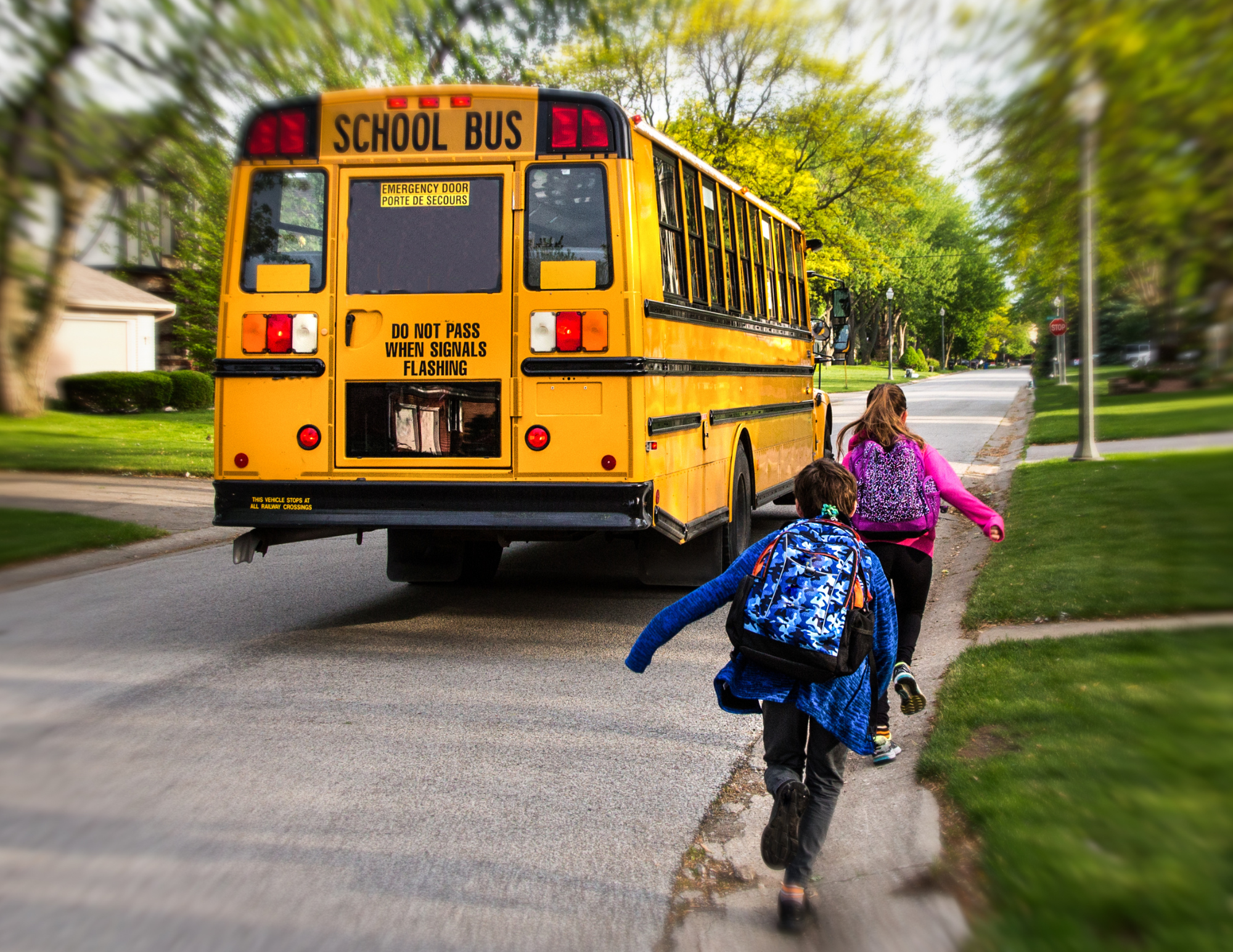
Few things are more stressful than the frantic morning rush to get kids out the door on time for school. Whether it’s a mad dash to catch the bus or drop them off at school, mornings can often feel chaotic and rushed, setting a stressful tone for the day. If your kids have been in public school, I’m sure you know what I’m talking about! Sometimes it feels like most of your time with your kids is spent hustling them from one place to another, always in a rush and always late!

unexpected benefits of homeschooling bus run

One of the most appreciated unexpected benefits of homeschooling is the ability to say goodbye to school drop-offs and bus runs. Homeschooling allows families to start their day at a more natural pace. No more waking up at the crack of dawn or rushing to make it to school on time. Instead, homeschoolers can enjoy a calm morning routine, waking up when they’re ready and easing into the school day. I always recommend to new homeschoolers that one of the first school ingrained ideas we ditch is that kids need to be up and ready for the day at a certain time. Allowing your child to rest until their body is naturally ready to get up means they are getting the sleep they need for optimum health and growth (which may also attribute to getting sick less often, as in #3 of this countdown!) This slower start not only reduces stress but also helps children feel more balanced and focused, leading to a more productive day overall. Read more about how homeschooling reduces family stress.

And the #1 Spot Goes To….(drumroll please…) No More Making Bagged Lunches!

At the top of my personal list of unexpected benefits of homeschooling is one that many parents dream of—no more packing school lunches! Gone are the mornings of struggling to figure out what to put in a lunchbox that your child will actually eat and that will stay fresh until noon. No more worrying about food allergies, picky eating habits, or whether your child will trade away the sandwich you so carefully made.

Mom packs child's lunch

Homeschooling offers the luxury of fresh, home-cooked meals. Your children can enjoy warm, balanced lunches made right at home, and better yet, they can help prepare them! This not only gives you a break from the daily lunchbox grind, but it also turns meal preparation into a fun, educational activity where kids can learn valuable skills like cooking and nutrition. For many families, this becomes one of the most appreciated unexpected benefits of homeschooling. I know I personally did a little happy dance every time I didn’t have to make school lunches after we started homeschooling!

Conclusion: The Small Wins and Unexpected Benefits of Homeschooling Make a Big Difference

While homeschooling comes with its well-known perks like flexibility and personalized learning, it’s often the smaller, everyday wins that make the biggest impact. From not having to keep up with school trends and avoiding the morning rush, to fewer sick days and eliminating fundraising obligations, these unexpected benefits of homeschooling can significantly improve your family’s daily life, and your parent happiness levels!

Homeschooling allows families to focus on what truly matters—education and well-being—while enjoying a more relaxed and joyful routine. Whether you’re already homeschooling or considering it, these small but impactful perks make homeschooling a lifestyle worth loving.

Homeschool Socialization: Debunking Myths and Truths

Whoever thinks homeschooled kids are missing out on social skills clearly hasn’t seen their packed social calendars!

Homeschool socialization refers to how homeschooled children interact with others and develop their social skills outside of a traditional school environment. 

While some may worry that homeschooling limits a child’s ability to socialize, the reality is quite the opposite. Homeschooling offers a wealth of opportunities for children to engage with peers, adults, and their communities in meaningful ways.

From neighborhood playdates and local homeschool groups to specialized clubs and community activities, there are countless avenues for social interaction. 

These experiences help homeschooled children build friendships, learn cooperation, and develop confidence. We’ll explore these homeschool socialization opportunities in more detail later in this post.

Importance of Homeschool Socialization

Socialization is the heartbeat of your child’s growth. Sure, academics matter, but the way kids interact with others plays a huge role in shaping their emotional and social skills. 

Homeschooling gives you a unique chance to create truly meaningful social experiences— that goes beyond the typical classroom setup.

Tailor-Made Social Opportunities

In traditional schools, kids naturally pick up on important social skills like:

  • Sharing and Teamwork: Learning how to work together and respect each other.
  • Handling Conflicts: Figuring out how to resolve disagreements positively.
  • Listening and Following Directions: Grasping the importance of paying attention and respecting rules.

But guess what? Homeschooling doesn’t mean your child misses out on these vital experiences. It actually lets you customize their socialization, making sure they learn how to navigate different social situations in a way that suits them best.

Creating a Rich Social Life

When you homeschool, you can build a rich and diverse social life for your child by:

  • Joining Community Activities: From local clubs to volunteer work, there are plenty of ways for your child to meet others and make friends.
  • Getting Involved in Sports Teams: Team sports teach discipline, cooperation, and the joy of working together toward a common goal.
  • Connecting with Homeschool Groups: Find other homeschooling families for regular get-togethers, field trips, or co-op classes, giving your child a chance to bond with peers.

These experiences teach your child to respect others’ space, listen with care, and follow directions—all while having fun and making lasting connections.

Looking to enhance your child’s homeschooling experiences while homeschooling? A well-rounded curriculum can make all the difference. 

Check out Schoolio’s Homeschool Curriculum Kits to provide your child with the tools they need for academic and social success. Start building a richer educational journey today!

Raising Well-Rounded Kids

At the end of the day, homeschool socialization isn’t just about finding playmates. It’s about raising well-rounded, empathetic kids who know how to engage with the world around them. 

By weaving social opportunities into your homeschooling journey, you’re giving your child the confidence they need to shine in every area of life.

Social Benefits of Homeschooled Children

When parents consider homeschooling, they often have second thoughts about their kids’ social skills. 

The good news is that homeschooling can actually enhance these skills in ways traditional schooling might not. Apart from the various reasons to homeschool your child, here are some of the social benefits that come with homeschooling:

More Time for Hobbies and Interests

One of the major perks of homeschooling is the shorter school day. This allows children more time to explore their hobbies and interests, whether it’s learning a musical instrument, practicing a sport, or engaging in creative arts. These activities often involve social interactions that help children develop confidence and build friendships.

Positive Social Interactions

In a homeschool setting, children are free from the negative peer influences and bullying that can sometimes occur in traditional schools. This environment fosters a sense of safety and support, allowing kids to develop strong social skills without the fear of judgment or ridicule.

Real-World Socialization

Homeschool socialization offers children the chance to interact with people of all ages and backgrounds. Children learn to communicate and relate to others in diverse settings through community activities, volunteer work, or homeschool groups. These real-world experiences are invaluable for practicing social skills and developing empathy.

Building Confidence and Self-Esteem

Homeschooling helps children grow into confident adults with healthy self-esteem. By interacting with a variety of people in different situations, homeschooled kids learn to express themselves clearly and assertively. They are often more comfortable in social settings, which is a key factor in their overall development.

Yes, ensuring your children are socially capable does take time and effort, but the rewards are immeasurable. If you’re considering homeschooling, rest assured that it can provide a rich environment for your child’s social growth, shaping them into well-rounded individuals with strong social skills.

Also Read: Tips for Homeschooling and Working Full-Time Simultaneously

Homeschool Socialization Myths and Facts

Let’s clear up some of the biggest misconceptions about homeschool socialization because, honestly, they couldn’t be further from the truth!

Myth: Homeschooled Kids Don’t Get Enough Socialization

This is probably the most common myth out there, but it’s based on a narrow view of what homeschool socialization really means. People often think socialization is all about:

  • Having lots of friends
  • Chatting during lunch, on the bus, or between classes
  • Participating in after-school clubs or sports

But here’s the thing—homeschooled kids are socializing too, just in different ways! Instead of bus rides and crowded hallways, they’re forming deep, meaningful friendships in homeschool groups and co-ops. Here’s how:

  • Focused Friendships: Homeschoolers can build real connections without the distractions of a noisy school environment.
  • Diverse Interactions: Unlike traditional schools, where kids mostly socialize with their own age group, homeschoolers get to mingle with children of all ages. This helps them interact confidently with both younger and older peers.

Myth: Homeschoolers Are Isolated

The idea that homeschoolers are isolated is a major misconception. Homes aren’t prisons—in fact, they’re launching pads for exploration! Homeschooling allows kids the flexibility to:

  • Balance Independent Learning and Group Activities: Spend part of their day learning independently and the other part engaging in group activities, field trips, and community events.
  • Experience the World Firsthand: Whether it’s a visit to a local farm, a theater production, or a day spent with a co-op group, homeschooled kids are out and about, not stuck in a classroom all day.

In comparison, traditional school students often have little time for real conversations between classes. Homeschoolers, on the other hand, have the freedom to explore and interact with the world around them, making their homeschool socialization experiences richer and more varied.

Myth: Homeschoolers Are “Odd” or Have Emotional Problems

This one is simply not true. In fact, studies show that homeschooled students tend to have:

  • Higher Self-Esteem: Homeschooled kids often engage in fewer antisocial behaviors compared to their traditionally schooled peers.
  • Better Relationships: They’re more likely to develop strong leadership skills and maintain positive relationships with both their peers and adults.
  • Emotional Stability: Research indicates that homeschoolers are generally happier, more optimistic, and more satisfied with their lives. They also tend to exhibit advanced moral reasoning and are less likely to experience emotional turmoil.

So, if anything, homeschool socialization might actually be helping kids develop into well-rounded, emotionally stable individuals.

Myth: Homeschooled Kids Lack Real-World Skills

Some people worry that homeschooled kids won’t know how to handle real-world challenges, but the truth is they’re often better prepared than their traditionally schooled peers. Here’s why:

  • Practical Life Skills: Homeschoolers spend real time learning practical life skills like cooking, budgeting, and even volunteering in their communities.
  • Real-World Experience: These kids are not just sitting at home all day—they’re out gaining first hand experience in the real world.
  • Independent and Collaborative Learning: Whether they’re working independently on their studies or collaborating with others in a homeschool group, they’re developing the skills they’ll need to thrive in college, careers, and beyond.

Homeschoolers are getting the best of both worlds—strong academics paired with rich, real-world experiences that prepare them for whatever comes next. 

So, let’s put these myths to rest and recognize that homeschool socialization is not just “good enough”—it’s often extraordinary!

Homeschool Socialization Opportunities for You

When it comes to homeschool socialization, the possibilities are truly endless. Creating rich social experiences for your child doesn’t have to be difficult—in fact, it can be a lot of fun! 

By tapping into your community and your child’s interests, you can craft a vibrant social life that’s both fulfilling and enriching.

Start with Your Neighborhood

One of the easiest ways to boost homeschool socialization is to look right in your own backyard. Get to know the other families in your neighborhood and take turns hosting weekly playdates. 

These casual get-togethers can help your child build friendships and develop social skills in a comfortable, familiar environment.

Join Local Homeschool Groups

Connecting with a local homeschooling support group is another great way to provide social opportunities for your child. 

These groups often organize field trips, park days, and other activities that allow kids to socialize and learn together. It’s also a fantastic way for you to meet other homeschooling parents and share ideas.

Explore Your Child’s Interests

Think about what your child loves to do and find local clubs, teams, or classes that match those interests. 

Whether it’s joining a soccer team, participating in a drama club, or attending art classes, these activities offer a great way for your child to make friends and develop their talents.

Create Your Own Opportunities

If you can’t find a group that fits your child’s interests, why not start your own? Consider forming a mother-daughter cooking club or a father-son hiking group. 

These personalized clubs can be a wonderful way to bond with your child while also providing them with meaningful social interactions.

Additional Socialization Ideas

If you’re still looking for inspiration, here are a few more ideas:

  • Camps: Summer or day camps are great for kids to meet new friends and explore new interests.
  • Sports: Both individual and team sports help children learn cooperation, discipline, and teamwork.
  • Scouts: Programs like Scouts offer structured social activities that teach valuable life skills.
  • Part-Time Jobs: Older homeschoolers can gain work experience and social skills through part-time jobs.
  • Volunteer Opportunities: Volunteering in the community allows children to interact with a wide range of people while giving back.
  • Library Programs: Many libraries offer clubs, classes, and events tailored to different age groups.
  • Arts and Crafts, Drama, and Cooking Classes: These classes foster creativity while providing a social outlet.

By taking advantage of these homeschool socialization opportunities, you can ensure that your child enjoys a well-rounded and socially rich homeschooling experience.

Conclusion

Homeschool socialization brings plenty of positives to the table. It allows kids to form deep connections and explore their interests. Additionally, it also helps in developing strong social skills in a flexible and supportive environment. Homeschooled children can enjoy a well-rounded social life by getting involved in community groups, sports, or clubs.

Ensuring your child’s healthy social development is all about providing them with diverse opportunities to interact and grow. With a bit of planning and creativity, homeschool socialization can be an enriching experience that helps your child thrive both socially and emotionally.

Schoolio’s Homeschool Curriculum Kits are designed to help your child thrive in all areas. Equip them with the resources they need to succeed both inside and outside the classroom with Schoolio.

Best Resources to Start Homeschooling Today

Are you thinking about homeschooling? Well, consider yourself the principal, teacher, and recess monitor all rolled into one!

So, if you want to start with homeschooling, you’re probably feeling a mix of excitement and nervousness. That’s completely normal! Homeschooling can feel like a big step, but with the right resources, you’ll soon see it’s a path filled with flexibility, creativity, and deep connection with your child. Whether you’re starting for academic reasons or personal beliefs, you’re here to find homeschool help, and that’s exactly what you’ll get.

Homeschooling isn’t just about teaching your child; it’s about creating an environment where learning is tailored to your family’s needs. Let’s break down the basics and dive into the best tools to start today!

Understanding Homeschooling and Getting Homeschool Help

What is Homeschooling? 

Homeschooling is when you, as a parent, take on the responsibility of educating your kids at home rather than sending them to a traditional school. It provides the flexibility to adapt the curriculum and learning style to fit your child’s unique needs.

Homeschooling allows for a deeper focus on the subjects your child loves while offering a customized approach to areas where they may need extra help. Moreover, homeschooling can also incorporate life skills often overlooked in traditional education.

You can teach practical knowledge such as budgeting, gardening, or home maintenance.

Homeschooling allows you to blend these lessons with academic subjects. For instance, math lessons might include real-world applications like calculating shopping budgets. This kind of flexibility enriches learning, ensuring that education goes beyond textbooks and prepares children for everyday life.

How does Homeschooling work?

Image Source: Schoolio

Homeschooling operates based on your child’s unique preferences and learning styles. Families have the freedom to select their approach. You can select a structured curriculum, project-based learning, or even unschooling, where the child leads the learning process. Schoolio offers curated learning plans that can complement your existing curriculum nicely.

For example, a child interested in engineering might spend a few weeks designing a simple machine in a project-based learning setup. Through this hands-on approach, they can learn physics, math, and problem-solving skills in a more engaging way than reading from a textbook.

Parents also have the option to mix and match different resources. With homeschooling, you can choose an online math program for structured instruction or local science museums for biology lessons. Nothing can stop you from being creative!

Combining different tools can create an engaging educational experience that will keep your children curious and motivated.

Determining If Homeschooling Is A Good Fit For Your Family

Homeschooling requires dedication and a willingness to be hands-on with your child’s education. It’s important to ask yourself if this approach aligns with your family’s values and schedule. Understanding your goals and expectations will help you decide if it’s the right choice. With Schoolio, you can easily adapt and plan around your family’s unique needs.

Homeschooling can be a great option for families with flexible work schedules. If you or your partner works remotely or part-time, you can balance your job with educating your children. Some families even homeschool during evenings or weekends if their schedule doesn’t allow traditional school hours. Additionally, assessing whether homeschooling aligns with your child’s learning style is important.

Also Read: Creating Homeschool Lesson Plans in Simple Steps

Now that you know how homeschooling works, let’s explore the legal aspects you must consider.

Understanding your state’s legal requirements is important before diving into homeschooling. Homeschooling laws vary widely across the country, and staying compliant will help you avoid any legal hiccups. Whether submitting paperwork or tracking progress, knowing the rules ensures a smooth and stress-free homeschooling experience for your family. Let’s understand these regulations in depth-

  1. Withdrawing from public school

If your child is already attending public school, the first step to homeschooling is officially withdrawing them. This process can vary depending on your state or even your local school district. Typically, you’ll need to send a formal letter of withdrawal to the school’s administration. Sometimes, you may need to notify the state’s Department of Education.

For example, in Texas, you can simply send a letter to the school stating your intention to homeschool. In contrast, in New York, you must file an Individualized Home Instruction Plan (IHIP) that outlines the curriculum you’ll be using. Skipping this step could lead to complications, such as truancy issues, so following the correct procedure is important.

  1. State Requirements

Each state has its own set of homeschooling regulations. Some states, like Alaska, have relatively few requirements, while others, like Pennsylvania, have more strict guidelines. You may need to file a notice of intent to homeschool, maintain detailed records, or even undergo periodic reviews by a state-appointed official.

Also, a few states ask you to submit an annual evaluation of the child’s progress through testing or portfolio review. In contrast, some states don’t require any formal notification to the school district. Therefore, understanding your state’s regulations is key to staying compliant and avoiding legal issues.

  1. Testing Protocols

In many states, homeschooling families are required to administer standardized tests to their children to measure academic progress. This ensures that homeschooled students meet the same educational benchmarks as their peers in public school.

For example, in Georgia, homeschoolers must take standardized tests every three years starting in third grade. These tests can be administered at home or in a testing center. Other states, like California, allow for alternative assessments like portfolio reviews. Knowing when these tests are required is important and planning accordingly so your child is prepared.

  1. Mandatory Subjects

Some states require homeschooling parents to teach specific subjects. These typically include core subjects like math, science, reading, and history. Depending on the local education laws, states may also mandate physical education, health, or even foreign languages.

It would help if you covered subjects like reading, spelling, grammar, math, and science in their homeschool curriculum. You don’t have to follow the same textbooks as public schools, but you do need to ensure these subjects are being taught. Understanding the mandatory subjects in your state will help you plan your curriculum more effectively.

  1. Important Deadlines

One of the most important aspects of homeschooling is staying organized and meeting important deadlines. These may include deadlines for submitting notices of intent, filing year-end reports, or scheduling standardized testing. Missing a deadline could result in penalties or legal complications.

For example, in New York, homeschooling parents must submit quarterly progress reports and an annual assessment each year. In contrast, states like Oklahoma have no reporting deadlines. Keeping track of these important dates can help you stay on top of the requirements and avoid unnecessary stress.

By understanding the legal landscape and keeping up with necessary protocols, you ensure a smoother and legally compliant homeschooling experience for your family.

Once you’ve covered the legal aspects, it’s time to choose the right curriculum for your child.

Homeschool Help: Choosing the Right Curriculum

Choosing the right curriculum is one of the most important decisions you’ll make as a homeschooling parent. With so many options available, it can feel overwhelming at first. But with the right homeschool help, you can find a curriculum that fits your child’s learning style and keeps them motivated throughout the year.

Schoolio makes this easier by offering personalized recommendations based on your child’s unique learning needs. However, here are a few aspects to be mindful about before selecting a homeschooling curriculum for your young learners. 

Learning Readiness

Before selecting a curriculum, it is important to know your child’s level of learning readiness. This involves understanding their ability to focus, retain information, and handle more complex topics. For example, younger kids or those new to structured learning may need shorter lessons with more frequent breaks.

On the other hand, older children who can concentrate for longer periods might be ready for a curriculum that covers multiple subjects in depth. Additionally, a child who is strong in one subject but struggles with another may benefit from a customized curriculum. Recognizing these factors ensures that the materials you choose are engaging and appropriately challenging for your child.

Learning Preferences

Children learn in different ways, so identifying your child’s learning preferences can make homeschooling much more effective. Some kids are visual learners who benefit from visuals, while others are kinesthetic learners who need hands-on activities to grasp concepts fully. Schoolio caters to these diverse learning preferences with a range of educational materials.

 Incorporating their learning preferences into the curriculum will keep your child interested and inspired.

Types of Curriculum Available

There is a wide variety of homeschool curricula to choose from; each caters to different learning styles and needs. Traditional curricula, such as textbooks and workbooks, follow a structured approach similar to what schools use.

For families seeking more flexibility, online programs offer interactive lessons that allow children to learn at their own pace. Some curricula focus on project-based learning, where your children complete hands-on activities or group projects to explore a subject. For example, a history curriculum might involve reading textbooks for one child but building a model of an ancient civilization for another.

Schoolio offers integrated project-based learning resources that make these activities engaging and educational. You can even blend different approaches, such as using online programs while doing hands-on activities. Exploring these options allows you to find what fits best for your child.

Planning Your Year

Once you’ve chosen a curriculum, it’s time to plan out your homeschool year. Flexibility is important, so while you may have goals to accomplish, leave room for breaks and adjustments as needed. Schoolio’s flexible planning tools can help you design a schedule that works best for your family.

For instance, you can create a weekly schedule where core subjects like math and language arts are covered consistently while leaving afternoons free for electives or extracurriculars. Some families prefer to follow a traditional school calendar with summer breaks, while others opt for year-round homeschooling with shorter, more frequent breaks.

Since homeschooling allows for personalization, feel free to follow a flexible schedule. You can adapt it to suit your child’s learning pace and the family’s lifestyle. This ensures that there’s a balance between structured learning and free exploration.

For families with children who have special needs, homeschooling can be even more rewarding with the right resources.

Homeschool Help and Resources for Special Needs

There are countless resources available to guide you every step of the way. From online support groups to expert guides and downloadable materials, these tools offer valuable homeschool help to ensure that both you and your child have a successful learning experience. Let’s learn about them one by one-

Diagnosis and Assessment

Understanding your child’s unique learning challenges is crucial to offering the right homeschool help. The first step is obtaining a formal diagnosis and assessment from a healthcare provider, psychologist, or educational specialist. This will give you insight into your child’s specific needs.

Once you have a clear diagnosis, you can tailor your homeschool approach accordingly. For example, if your child struggles with sensory processing, you can create a quiet, distraction-free learning space. A proper assessment ensures that you can address their individual challenges while also focusing on their strengths.

Creating Individualized Education Programs (IEPs)

IEPs are typically seen in public schools, but you can create one at home to structure your child’s education. An IEP is a customized learning plan that offers homeschool help for your child’s unique needs. You can establish specific learning goals at home, outline the subjects you’ll focus on, and include any necessary accommodations, like extra time for tests.

For instance, if your child has dyslexia, their IEP might include using audiobooks instead of traditional reading materials. Having an IEP helps keep you and your child on track and ensures that their education is well-rounded and progress-oriented.

Accommodations for Special Needs Students

One of the greatest advantages of homeschooling is the ability to offer personalized accommodations that may be difficult to achieve in a traditional school setting. Homeschooling allows you to give your child the time and space they need to succeed.

Accommodations include extended time to complete assignments, frequent sensory breaks, or alternative teaching methods that better suit your child’s learning style. Schoolio offers a range of adaptive resources to make learning comfortable and effective for special needs children.

For example, if your child has attention difficulties, you can break lessons into shorter, more manageable chunks with breaks in between. These one-on-one accommodations create a more supportive and less stressful learning environment tailored specifically to your child’s needs.

Utilizing Assistive Technology

Assistive technology is vital in helping children with special needs access education more easily. Tools like speech-to-text software, screen readers, or specialized learning apps can help bridge gaps in areas like reading, writing, or communication.

For instance, a child with a writing disorder, might benefit from using a keyboard or voice-to-text software to complete their assignments. Audiobooks and educational videos provide alternative ways to engage with subjects that might otherwise be challenging. Incorporating these technologies into your homeschooling routine can greatly enhance your child’s ability to learn and participate. This makes education more inclusive and accessible.

As your child ages, homeschooling brings new opportunities and challenges. Let’s explore them!

Homeschool Help for High School Children

Identifying Teen Interests

High school is when teens begin exploring their passions and interests. Use this to your advantage by tailoring their education to align with what excites them, whether art, science or a specific career path.

If your teen is passionate about technology, you can integrate coding, robotics, or graphic design into their curriculum. Similarly, if they are interested in the arts, you might focus on painting, music, or theatre. The flexibility of homeschooling allows you to focus on what excites them. This homeschooling helps make learning more engaging and meaningful.

You can even seek out local internships in fields that interest them, offering hands-on experience that will help guide their future career choices.

Developing A Custom High School Plan

Create a high school plan that includes not just academic goals but also life skills like financial literacy and time management. This well-rounded approach prepares your teen for adulthood. Schoolio’s planning resources can help you incorporate a comprehensive educational framework.

Time management and organizational skills are also important as your children prepare for college or the workforce. A custom high school plan can blend academics with these practical skills, ensuring a well-rounded education.

Preparing Teens For Adulthood

Homeschooling offers the unique opportunity to focus on real-world skills that aren’t always taught in traditional schools. Teaching your teen how to budget, cook, or navigate social situations helps them succeed beyond the classroom.

You might also help them explore practical career options through job shadowing, volunteer work, or part-time jobs in areas of interest. These real-world experiences and academic learning ensure your child has the skills necessary to thrive beyond the classroom.

Also, with your teen’s high school education underway, it’s important to understand the legal and advocacy resources available to you as a homeschooling family.

Many legal and advocacy resources are available to help ensure that your homeschooling journey is protected and compliant with state laws.

TopicDescription
Legal Protection for HomeschoolersHomeschoolers have rights, and organizations like the Home School Legal Defense Association (HSLDA) provide legal representation and advice to protect those rights.
Advocacy for Homeschooling RightsHomeschooling rights can be challenged, but advocacy groups work to support families by ensuring those rights are upheld. Staying informed and connected is essential.
Public Relations Efforts for HomeschoolingAdvocacy groups promote a positive image of homeschooling and work to dispel misconceptions by educating the public about the benefits of homeschooling.

 As you begin homeschooling, it’s also important to have access to educational support to guide you.

Educational Support Resources

  • Webinars and master classes offer in-depth knowledge on specific homeschooling topics. These resources are great for beginners and seasoned homeschoolers alike.
  • There’s plenty of expert advice available online. From blogs to articles, there are plenty of free resources that provide homeschool help on a variety of subjects.
  • Many websites offer downloadable worksheets, lesson plans, and other educational materials to facilitate planning and teaching.

As you have a clear understanding about plenty of homeschool help available to you, let’s jump right on the conclusion!

Conclusion

Homeschooling opens up a world of possibilities for creating an educational experience that truly fits your child. It’s more than just checking off academic boxes; it’s about shaping lessons around their unique interests and learning styles. Whether your child is passionate about any subject, homeschooling lets you tap into that excitement and make learning come alive.

Getting the required homeschool help and understanding the concept prepares you to experience a beautiful adventure with your kids. Homeschools help not only in education but also develops stronger bonds among the family. It is teamwork, not a solo show! Schoolio offers expert advice and guides to enhance your homeschooling experience as a family.

However, in the beginning, you might feel overwhelmed, but here’s the good news: you’re not alone. The homeschooling community is filled with resources, support groups, and experts ready to help and guide you. Think of homeschooling as a flexible, evolving experience that adapts as your family grows. With endless homeschool help at your fingertips—whether you need advice on curriculum choices or legal guidance—you’ll always have what you need.

So, keep moving forward and shape your homeschooling journey confidently!

Also Read: Free STEM Resources and Curriculum for Homeschooling

Starting Tips and Basics of Homeschooling for Beginners

Ready to swap the school bus for the ultimate couch-education experience?

If you’re reading this, you’re probably on the brink of an exciting adventure! How amazing is it to trade in the traditional school routine for a personalized learning experience? You can set up a classroom right in your living room (or kitchen or backyard—no judgment here!).

Homeschooling for beginners is like being a magician; you have the power to create a learning environment just for your child. It’s a journey filled with exploration, creativity, and discovery. The possibilities are endless, from choosing your own curriculum to incorporating field trips to the local park! 

In this guide, we will explore homeschooling for beginners in depth.

Understanding Homeschooling for Beginners

Before diving in, it’s vital to understand what homeschooling really means. At its core, homeschooling is about educating your child at home rather than in a traditional school setting. Homeschooling for beginners allows personalized learning, catering to your child’s unique pace and interests. With Schoolio, you can create a curriculum that meets your child’s specific needs, interests, and learning style effortlessly.

Homeschooling allows you to shape your child’s education according to their passions and learning styles! Moreover, homeschooling for beginners offers several unique benefits-

  1. Personalized Learning

You can create a curriculum that meets your child’s specific needs, interests, and learning styles. This personalized approach allows them to learn at their own pace without the pressure of keeping up with a classroom full of other kids.

  1. Flexible Schedule

Homeschooling gives you the freedom to set your own schedule. You can decide when to start and end your school day, plan vacations during off-peak times, and create a routine that works best for your family. Schoolio offers flexible scheduling options, allowing you to plan the school day, vacations, and routines that best fit your family’s needs.

  1. Stronger Family Bonds

Spending more time together can strengthen your family relationships. You’ll be able to learn and grow alongside your child, fostering a supportive and nurturing environment.

  1. Focus on Values

You can incorporate your family values, beliefs, and cultural heritage into your child’s education. Homeschooling for beginners allows for a holistic education that reflects your family’s priorities.

Understanding the “why” behind homeschooling is crucial. Now, let’s look at the practical steps to get started with homeschooling for beginners.

Choosing a Method for Homeschooling for Beginners

When you think about homeschooling, choosing a method that resonates with you and your child is essential. Here are some popular approaches:

ApproachDescriptionIdeal for
Traditional ApproachStructured curriculum similar to public schools, focusing on core subjects.Beginners seeking a conventional environment.
UnschoolingLearner-led approach emphasizing exploration and real-life learning.Children driven by natural curiosity.
Montessori MethodSelf-directed activity, hands-on learning, and collaborative play.Beginners who value independence and personalized learning.
Charlotte MasonFocus on literature, nature studies, and arts for a well-rounded education.Families seeking a nurturing and habit-building approach.
Eclectic Approach
Combination of different methods tailored to individual needs.Parents who want to create a customized learning experience.

Choosing the right homeschooling method is like picking a flavor of ice cream—each one offers something unique! Schoolio resources can help you tailor learning and easily combine various educational methods.

Once you have your method down, let’s talk about setting up your homeschooling environment.

Setting Up the Space: Homeschooling for Beginners 

Creating a dedicated homeschooling space can significantly impact your kids’ learning experience. Here are some tips to set it up:

  • Homeschooling for beginners requires choosing a quiet, comfortable space in your home for lessons. It can be a room, corner, or even a cozy nook. A designated area helps signal your child that it’s time to focus on learning.
  • Stock up on essential supplies like books, art materials, and educational games. Keep everything organized for easy access. You might use bins or shelves to sort materials by subject, making it more straightforward to find what you need.
  • Decorate the space with inspiring quotes, educational posters, and your child’s artwork to make it feel welcoming. Personal touches can motivate and inspire your child’s creativity and is great for homeschooling for beginners.
  • Provide comfortable seating and good lighting to create a conducive learning environment. Consider using cushions or bean bags for a relaxed atmosphere, especially for reading time.

Now that your space is ready, it’s time to dive into curriculum options!

Homeschooling for Beginners: Choosing the Right Curriculum

Selecting the right curriculum can feel overwhelming, but it doesn’t have to be. Consider the following:

  1. Research Options

Look into different curricula that align with your chosen homeschooling method. Many resources, from complete programs to individual subjects, are available online. Take the time to read reviews and compare features. Schoolio offers various curricula options that align well with different homeschooling methods. Look into these to find the best fit for your approach.

  1. Consider Your Child’s Learning Style

Is your child a visual, auditory, or kinesthetic learner? Choose materials that cater to their strengths. For example, visual learners may benefit from colorful workbooks and videos, while kinesthetic learners might thrive with hands-on activities.

  1. Evaluate Flexibility

When choosing a homeschooling curriculum, flexibility is a crucial factor to consider. Ensure the curriculum allows for adjustments and personalization to fit the homeschooling for beginners. A flexible program will enable you to modify the pace and content to suit your child’s individual learning style and interests better.

  1. Seek Recommendations

Connect with other homeschooling families for advice and reviews on various curricula. Online forums, social media groups, and local co-ops can provide valuable insights.

Also Read: Reasons to Homeschool Your Kids

Finding the perfect curriculum is like treasure hunting—exciting and full of surprises! With the suitable materials in hand, let’s explore how to create a homeschooling schedule that works for homeschooling for beginners.

Homeschooling for Beginners: Planning a Schedule

A well-planned schedule can help your homeschooling experience run smoothly. Here’s how to create one:

  1. Set Goals

Determine what you want to accomplish each week or month. Break down subjects into manageable goals. For example, if you’re going to cover a specific topic in science, outline what you hope to achieve each week.

  1. Incorporate Breaks

Allow for regular breaks to keep your child refreshed and focused. Short breaks for snacks, movement, or outdoor time can significantly improve attention spans.

  1. Be Flexible

Life happens! Don’t stress if you need to adjust your schedule. Flexibility is one of the perks of homeschooling. If your child shows a keen interest in a topic, extend learning beyond the planned schedule.

  1. Include Variety

Mix activities with hands-on projects, field trips, and outdoor learning to keep things engaging. Variety can spark enthusiasm and help prevent burnout.

Now that you have a schedule, let’s discuss how to stay motivated and engaged in the homeschooling journey.

Staying Motivated When Homeschooling for Beginners

Maintaining motivation can be challenging but crucial for a successful homeschooling experience. Here are some tips:

  • Small, achievable goals can help keep everyone motivated. Celebrate when your child completes a lesson or masters a new skill.
  • Acknowledge your child’s progress, no matter how small. Celebrate milestones with fun activities or rewards, like a movie night or a small treat.
  • Use games, field trips, and creative projects to make learning enjoyable. Learning doesn’t have to be limited to textbooks; explore the world around you!
  • Join homeschooling groups, both online and in your community. Sharing experiences and ideas can keep your spirits high and support you when needed.

With motivation in place, let’s talk about connecting with other homeschooling families.

Homeschooling for Beginners: Connecting with Other Homeschoolers

Building a support network can enhance your homeschooling experience. Here’s how to connect with others:

  1. Join Local Groups

Search for local homeschooling co-ops or support groups to meet other families. Many communities have organized groups that offer shared resources and social opportunities. Schoolio’s online community can also connect you with local homeschooling co-ops and support groups to meet other families.

  1. Participate in Online Forums

Platforms like Facebook, Reddit, and dedicated homeschooling websites are great places to seek advice and share experiences. Engaging with others can help you feel more connected and supported.

  1. Attend Workshops and Conferences

Look for local or virtual events to learn new skills and meet fellow homeschooling families. These gatherings can provide valuable insights and fresh ideas.

As you build connections, let’s dive into managing records and assessments.

Managing Records and Assessments

Keeping track of your child’s progress is essential. Think of it as a scrapbook of learning memories—every piece tells a story! Schoolio offers tools to easily keep track of your child’s progress, making record-keeping hassle-free. Here’s how to manage records effectively:

  • Keep samples of your child’s work, including projects, tests, and assessments. This will help you track growth over time and serve as a record for future reference.
  • Regularly assess your child’s understanding of subjects. Use quizzes, projects, or informal assessments to gauge progress. This can help identify areas that may need more focus.
  • Use folders or digital tools to keep records organized and easily accessible. Consider using apps or spreadsheets to track grades and progress.

Now, let’s discuss the importance of self-care for homeschooling parents. Schoolio offers social social-emotional learning program for parents.

Homeschooling for Beginners: Practising Self-Care

Homeschooling can be demanding, so it’s crucial to prioritize your well-being. Here are some self-care tips:

  • Designate specific times for teaching and personal time. Having clear boundaries can help you maintain a healthy balance.
  • Don’t hesitate to take short breaks to recharge your energy. Stepping away for a moment can help you return with a fresh perspective.
  • Maintain friendships outside homeschooling to enjoy social interactions. Regular socialization can help combat feelings of isolation.
  • Make time for your interests, whether reading, gardening, or exercising. Engaging in activities you love will help reduce stress and improve your overall well-being.

With self-care in mind, let’s wrap up our guide with final thoughts.

Conclusion

Homeschooling for beginners is key to unlocking a world of possibilities for your child. You have the unique opportunity to create a learning environment that nurtures their curiosity.

Each day presents a chance to inspire a love for learning that will last a lifetime. Homeschooling offers moments of seeing your child explore a passion that ignites their spirit. The joy of learning can flourish in the comfort of your home, making education a delightful adventure.

Homeschooling isn’t just about academics; it’s about building solid relationships with your little ones. By choosing to homeschool, you are equipping your child with knowledge and instilling confidence. Schoolio offers fun ways of learning to make your child’s education more engaging. 

Embrace the flexibility, creativity, and joy that come with this path. Trust yourself, and be open to learning alongside your child. This journey is just as important as the destination!

Together, you’ll cultivate a love for learning that will empower your child to thrive in whatever they choose to pursue.

Also Read: Getting Started with Homeschooling: How to Start the Homeschool Year Right

List of Homeschool Subjects by Grade Levels

With great power comes great responsibility.

If you’ve heard that line, you know it’s true! Especially when it comes to homeschooling your kids. As a parent, you’re not just the protector and provider—you’re now also their teacher.

That’s a big deal, but don’t worry; you’ve got this! Homeschooling can be a fun adventure for both you and your children. The understanding of what subjects your child should study by their grade level is key to great homeschooling. This approach ensures they get the education they deserve and enjoy the process at the same time.

Welcome to a free world where you have the flexibility to customize your child’s learning experience as per their need. This guide will help you understand what your child should be learning at each stage. 

Understanding Homeschool Subjects by Grade Levels

When it comes to homeschooling, one size definitely does not fit all. Each grade level comes with its unique opportunities. Understanding this uniqueness can make a world of difference. But why is it so important to know what your child should be learning at each grade level?

  • For starters, having a clear roadmap of homeschool subjects helps you stay organized. This ensures your child’s education is well-rounded and thorough.
  • It also allows you to tailor the learning experience to your child’s needs.
  • By understanding the subjects appropriate for each grade, you can create a curriculum that matches your child’s pace. 
  • It enables you to plan your year effectively, ensuring a balanced approach to all subjects and avoiding gaps in your child’s education.

Is your child starting with the basics or moving into more advanced topics? Platforms like Schoolio offer detailed guides to help you keep track of and customize your child’s learning.

So, let’s break down what your little learners should be focusing on, starting with the tiniest of them all—Pre-K.

Pre-Kindergarten Homeschool Subjects

At this tender age, learning is all about play and discovery. Pre-K is a time for your child to develop foundational skills. It will set them up for future academic growth. But don’t worry; it’s not all serious stuff. With Schoolio’s resources, you can easily find engaging activities to cover it all up!

Here’s what you should focus on:

Subject AreaDetails
Beginning ArithmeticSimple counting and number recognition.
Handwriting and Fine Motor SkillsActivities like drawing and playing with clay.
Beginning PhonicsRecognizing letters and sounds.
Read-Aloud TimeIntroduce them to various subjects and literary genres through fun stories.

As your child masters these basics, they’ll be ready to learn new things in Kindergarten. So, let’s see what’s next on the learning path!

Kindergarten Homeschool Subjects

Kindergarten is where the real adventure begins. It’s time to build on those early skills! Introduce your child to a broader range of homeschool subjects. Here’s what to focus on:

Subject AreaDetails
MathBasic addition, subtraction, and understanding of shapes.
PhonicsContinue with letter sounds, blending, and simple word recognition.
HandwritingPractice writing letters and simple words.
LiteratureEngage with stories, fables, and fairy tales.
Social StudiesBasic concepts like family, community, and holidays.
ScienceExplore the natural world, including plants, animals, and weather.
Read-Aloud TimeKeep the stories coming, and encourage your child to read along.

With Kindergarten under their belt, your child gets all set to dive into even more exciting subjects in First Grade. Let’s keep the momentum going!

First-Grade Homeschool Subjects

First Grade is all about expanding on what your child has already learned. Here, you are introducing them to more structured learning. Let’s see what your first grader should get started with:

  • Math focuses on fundamental skills such as addition and subtraction, understanding place value, and working with simple fractions.
  • In Phonics, the emphasis is on strengthening reading skills and introducing basic spelling.
  • Language Arts involves practicing neat and legible writing, starting with simple words and gradually increasing in complexity, while also covering basic punctuation, capitalization, and sentence structure.
  • In Social Studies, children will learn about community helpers, maps, and basic historical concepts. 
  • Science introduces simple experiments, lessons about the human body, and exploration of the environment.
  • Additionally, Independent Reading is encouraged with daily reading of age-appropriate books to foster a love for literature and improve reading skills.

First Grade lays a solid foundation for your child’s future learning. With these skills in hand, they’re ready to take on Second Grade.

Second Grade Homeschool Subjects

Now, it is time for your child to start developing more independence in their learning. Using Schoolio, you can access tailored modules for each of these subjects.

Here’s what they should be studying:

Math

More complex addition and subtraction, introduction to multiplication, and basic geometry. At this stage, your child will build on their understanding of basic math. It includes working on more complex addition and subtraction problems. Something new to learn? Yes, multiplication and basic geometry!

Your child learns to recognize and work with different shapes and understand concepts like area and perimeter.

Phonics

Phonics continues to be a crucial part of your child’s learning. Depending on their progress, you’ll reinforce their reading skills. By focusing on phonetic rules, you can help them decode words. Spelling skills are also enhanced as they learn to recognize and use more difficult word patterns.

Handwriting

Focus on cursive writing (optional) and refining print writing. At this level, your child may begin learning cursive writing if it’s part of your curriculum. This involves connecting letters in a fluid style, which can improve fine motor skills and writing speed.

If cursive isn’t part of your plan, focus on refining their print handwriting, ensuring legibility and proper letter formation.

Spelling

Increase the difficulty of spelling words and introduce spelling tests. As your child’s vocabulary expands, so will the complexity of the words they need to spell. You can introduce regular spelling tests to improve their learning. It will help them commit new words to memory. This practice not only improves spelling but also enhances their overall writing skills.

Grammar

Introduce simple sentence structure. Grammar lessons at this stage will build on your child’s existing knowledge. They’ll learn to apply grammar rules consistently in their writing. Simple sentence structures help them to form complete thoughts. This way, your little one conveys ideas clearly.

Literature

Begin exploring chapter books and discussing themes. Literature studies will move beyond picture books to chapter books. Your child will start to discuss the themes, characters, and plots of these books.

Social studies (optional)

Introduce your kids to state history and basic geography. In social studies, your child may begin learning about the history of their state or region. You can include important events and figures. Also, you can add basic geography, such as understanding maps or physical features of the land.

Science (optional)

Simple science projects, study of weather, and basic biology . Science lessons at this level may include simple experiments that help your child understand basic scientific concepts. Include different weather patterns and basic biology. You can add topics like learning about plants, animals, and the human body.

Independent reading

Encourage daily reading with a focus on comprehension. Independent reading should be a daily activity. Encourage your child to read books that interest them. It will improve their reading level. The focus should be to understand what they’re reading and can discuss it afterwards.

With Second Grade behind them, your child is gaining confidence in their learning. Third Grade will bring new subjects and even more opportunities for growth!

Third to Fifth-Grade Homeschool Subjects

From third to fifth grade, your child’s learning takes a big leap forward. They’ll explore many new concepts. 

Let’s continue to build on their existing knowledge.

Subject AreaThird Grade FocusFourth Grade FocusFifth Grade Focus
MathMultiplication & divisionUnderstanding fractionsComplex problem-solvingMastering multiplication & divisionFractions & beginning decimalsAdvanced multiplication & divisionFractions, decimals, basic algebra
SpellingChallenging wordsSpelling patternsContinued focus on challenging wordsVocabulary introductionComplex words & vocabulary development
HandwritingOptional cursive or print practiceFocus on legibility & speedOptional cursive or print practiceBased on the child’s needsContinued refinement of writing skills
GrammarDetailed punctuationCapitalizationSentence structureDetailed study of punctuation, capitalization, and sentence structureAdvanced punctuationComplex sentence structure
CompositionShort essaysCreative stories (optional)Writing essays, reports, and creative storiesEssays, reports, creative writing, and research papers
Literature StudiesChapter booksExploring different genresClassic literatureDiscussing themes, characters, plotsComplex textsDeeper analysis
Social StudiesIntroduction to GovernmentAncient civilizations & cultural studies (optional)U.S. HistoryGeographyGovernmentU.S. history, geographyEarly civilizations
ScienceSimple experimentsStudy of simple machines & basic physics (optional)Earth scienceEcosystemsComplex experimentsEcosystemsHuman bodyIntroductory Chemistry

Also Read: 4th Grade Homeschool Curriculum Courses

By the end of fifth grade, Your little one is all set to start their middle school.

Sixth-Grade Homeschool Subjects

Welcome to middle school! Sixth grade is when your child starts to take on more responsibility for their learning. Here are the key homeschool subjects to include in their curriculum:

Math

In sixth grade, your child will dive into pre-algebra, mastering advanced fractions, decimals, percentages, and basic geometry. These topics lay the groundwork for more complex mathematical concepts in later grades.

Language Arts

There will be a continued focus on advanced words and vocabulary development. It helps your child to improve their spelling accuracy and expand their language skills. This is an effective way to develop a more extensive word base and communication.

Your child takes a step ahead in sentence structures. They will also practice writing essays and reports. You can also add creative storywriting to enhance their skills. 

Also, you can emphasize understanding themes, characters, and plot development. This analysis helps develop critical thinking and interpretation skills.

Social Studies

Your child will explore world history, geography, and different cultures. It broadens their understanding of global events and diverse societies.

Science

In your science curriculum, you can introduce key concepts in Earth science, biology, and physics. It develops curiosity in your little explorers.

Independent Reading

You should encourage your little one for regular reading. It develops a strong focus on both comprehension and critical thinking. 

This practice helps solidify reading skills and enhances overall academic performance.

Sixth grade sets the foundation for higher-level thinking and prepares your child to climb the next step.

Seventh-Grade Homeschool Subjects

In seventh grade, your child will continue to build on the skills and knowledge they’ve acquired so far. Here’s what you can cover:

Math

In seventh grade, children learn advanced pre-algebra and continue to study geometry. It builds a strong foundation for higher-level math concepts.

Language Arts

This year focuses on enhancing word knowledge and improving sentence structures. You can also use more creative works to develop your children’s writing skills. Seventh-grade is a deep dive into literary analysis, with a particular focus on themes. Consider adding symbolism and character development in both classic and contemporary texts.

Social Studies

The curriculum will continue the study of world history, concentrating on different eras. Your child will get an essence of different cultures and understanding of global events.

Science

Seventh-grade science will take your little one to the advanced topics. It will improve their understanding of scientific principles.

With Schoolio, you have access to advanced study materials that cater to the growing needs of seventh graders. Now, your child is ready for the more rigorous subjects of Eighth Grade.

Eighth-grade Homeschool Subjects

Eighth grade is the final year before high school. This year is important for your child’s preparation for more advanced studies. Here’s what to focus on:

Math

In eighth grade, your child will master algebra and geometry. Also, the higher-level math concepts at this level prepare your child for high school mathematics.

Language Arts

This year, you can continue to expand and enhance your child’s word knowledge. It is essential for effective communication and comprehension across subjects.

Additionally, your child will perfect sentence structures, punctuation, and advanced grammar concepts. This ensures clarity and accuracy.

Advanced literary analysis is the key focus. Here, your child explores themes and motifs and engages in critical thinking through various texts.

Social Studies  

With a detailed study of U.S. history and government, your child also learns about world events. It deepens their understanding of societal structures and historical context.

Science

Your child will engage in advanced studies in biology, chemistry, physics, and Earth science, laying the groundwork for future scientific learning.

While the core subjects stay the same, the depth and complexity increase as your child progresses. So, you have covered the core essentials!

Now, let’s explore the exciting world of electives where your child can dive into their interests!

Elective Homeschool Subjects

This provides your child with the opportunity to delve into areas of interest beyond the core curriculum. These subjects are a great way to tailor your child’s education to their unique passions and talents.

  • Learning a new language like Spanish, French, or German can enhance your child’s communication skills. Moreover, it helps to broaden cultural understanding. Your child can choose any language that excites them.
  • These electives focus on developing critical thinking and problem-solving skills. These topics are invaluable in both academic and real-world situations.
  • You can also explore a wide range of subjects, such as art, music, computer science, and physical education.

Schoolio offers a range of elective courses that can nurture your child’s unique interests and talents. These electives allow your child to develop creative skills, technical knowledge, and physical fitness, contributing to a well-rounded education.

Conclusion:

Homeschooling offers the freedom to design your child’s education to their specific needs and interests. With this understanding, the homeschooled subjects are appropriate for each grade level.

You can ensure that your child receives a comprehensive, well-rounded education that prepares them for success both academically and in life. With Schoolio, you have access to advanced study materials that cater to the growing needs of your children. Also, you can explore their free samples for a better understanding of the curriculum.

Remember, homeschooling is a journey, and like any journey, it’s filled with ups and downs. However, with the right tools, resources, and a clear understanding, you can make this journey rewarding for you and your child.

So grab your lesson plans, gather your materials, and let’s make homeschooling an adventure your child will never forget!

Also Read: Reasons to Homeschool Your Kids

Homeschooling 101: Guide for Parents to get Started

You don’t always have to know all the answers, What matters is knowing how to make the journey fun!

Homeschooling isn’t just about education; it’s about building a life together. When it comes to your child’s education, there are endless possibilities. But how do you know what’s best? With the rise in homeschooling, many parents wonder if this is the right path for their family.

If you’re considering homeschooling, you’re not alone. Today, many parents agree that homeschooling provides flexibility and freedom that traditional schools simply can’t match. This homeschooling 101 will help you explore why homeschooling might just be the adventure your family is looking for!

Now, let’s dive into how you can start this exciting journey. 

Homeschooling 101: Research for Educational Philosophies

When you first consider homeschooling, you encounter many questions. Where do you start? What approach should you take? And what not.

The good news is there are many homeschooling philosophies. You might like the structure of the Classical method. Or, you’ll probably be drawn to the natural rhythms of the Charlotte Mason approach. There’s also Montessori, Waldorf, Unschooling, Unit Studies, and more! Each philosophy has its own charm.

Take some time to explore these different approaches. Read blogs, listen to podcasts, or check out books on each philosophy to get a better idea. You’ll soon find what resonates with your family’s values and learning style. Schoolio offers insights, helping you decide what’s best for your child.

Once you’ve done your research, try to formulate a vision for your family’s homeschool journey. Set your goals! Think about what kind of learning environment you wish to see. Having a clear vision will guide you as you make decisions moving forward.

Homeschooling 101: Choosing the Right Curriculum

Now that you have a vision in mind, it’s time to choose a curriculum. This is where the fun really begins! Your choice of curriculum will shape your homeschooling experience, so take your time.

Start by narrowing down the philosophies that appeal to you. Then, look for curricula that align with those approaches. You might find that one curriculum works well for math while another is perfect for reading.

Don’t be afraid to mix and match! Homeschooling allows complete flexibility, so feel free to create a customized plan that works best for your child. Visit homeschool conferences or consignment stores to get a hands-on look at different materials. This can help you make a more informed decision. Schoolio allows parents to mix and match curriculum elements, creating a plan that perfectly suits your child’s learning style.

Excellent curriculum options are available for every level, from pre-K to high school. And don’t forget about specific subjects like phonics, math, and science. Finding the right curriculum might take some time, but it’s well worth the effort.

Also Read: Unschooling: A Brave New World for Homeschooling Beginners

Now, it’s time to think about your daily routine.

Creating a Daily Rhythm with Homeschooling 101

One of the biggest advantages of homeschooling is the freedom to create a schedule according to your family’s lifestyle.

Start by developing a life schedule that integrates lessons with your daily responsibilities. Every family is different, so there’s no one-size-fits-all approach. You might prefer to do lessons in the morning and leave afternoons free for outdoor activities or playtime.

Whatever your schedule looks like, consistency is key. A daily rhythm provides structure and helps your child know what to expect. It also ensures that you cover all necessary subjects without being in a rush.

Let’s talk about the physical space where your homeschooling will happen!

Creating the Ideal Learning Space: Homeschooling 101 Guide

You don’t need a fancy classroom or a lot of space to create a productive learning environment.

  • Consider using common spaces like the dining table or a cozy corner in the living room. You can transform these areas into learning spaces.
  • Invest in some storage solutions to keep materials organized and accessible. Bins, shelves, and baskets can work wonders in keeping your space tidy.
  • Remember, homeschooling isn’t about replicating a traditional classroom at home. It’s about creating a space that works for your family. Maybe that’s a quiet desk in a bedroom, or maybe it’s a blanket fort in the living room.
  • The key is to make your homeschooling space inviting and functional.

Schoolio offers helpful homeschooling 101 to keep the learning environment clutter-free. Before you dive into homeschooling, it’s crucial to understand the legal requirements in your state.

Before you dive into homeschooling, it’s crucial to understand the legal requirements in your state. You’ll need to do some research to ensure you comply. Most states require you to submit a declaration of intent to homeschool. Some might ask you to track attendance, administer standardized tests, or submit evaluations. It’s important to know what’s required so you can plan accordingly.

There are plenty of resources available to help you navigate state laws. Homeschool associations and legal defense groups can provide guidance and support. Ensure you keep all necessary documentation and stay up-to-date with any changes in the law. Being prepared will give you peace of mind and allow you to focus on what really matters—your child’s education.

However, homeschooling doesn’t mean you have to go solo!

Joining the Homeschool Community

One of the greatest perks of homeschooling is the chance to connect with other like-minded families. Building a supportive community around you and your child not enhances the learning experience. Moreover, it adds a fun and social element to your daily routine. There’s a vibrant and supportive community of homeschoolers out there, just waiting for you to join in!

Here are some ways to find that community and make lasting connections.

  • Look for local homeschool groups, co-ops, or sports teams where your child can make friends and learn with other kids. These communities can provide valuable support and encouragement for both you and your child.
  • You might also find interest-based groups, like art or music classes, that offer a chance to socialize and learn in a group setting.
  • And don’t forget about online communities! There are countless blogs, forums, and social media groups.

Schoolio’s community forums and chat groups offer a place to connect with other homeschooling families, share experiences, and seek advice.

Building a strong homeschool community will enrich your experience and provide a network of support. It’s always helpful to have others to share ideas with, ask questions, and celebrate successes.

Let’s dive into how to collect the right curriculum and materials to make your homeschool thrive.

Gathering Curriculum and Materials

This step is exciting but asks for a little more focus. Don’t worry though—you’ve got this!

  • Start by making a list of the materials you’ll need based on the curriculum you’ve chosen.
  • Then, consider your budget. There are many ways to gather materials without breaking the bank.
  • Also, don’t underestimate the value of free resources. The internet is full of free printables, lesson plans, and educational videos that can supplement your curriculum. Libraries are another fantastic resource for borrowing books and materials.

Schoolio offers curated lists of high-quality resources and printables that align with your chosen curriculum. It makes it simple to gather everything you need.

Gathering your curriculum and materials might take some time, but it’s an important step in getting your homeschool off the ground. Once you have everything you need, you’ll be ready to start planning lessons and diving into your first day of homeschooling!

Developing Lesson Plans

This homeschooling 101 will help you create lesson plans from where your homeschooling journey starts! It’s also where you can get creative and tailor your lessons to fit your child’s needs and interests.

  • Break down your curriculum into manageable chunks. What do you want to cover each week? Each day? Make a plan! It will help you stay right on track.
  • Keep in mind that lesson plans should be flexible. One of the joys of homeschooling is the ability to adjust your plans as needed.
  • If your child is really enjoying a particular subject, spend more time on it! If they’re struggling, slow down and review the material.
  • There are plenty of tools and forms available to help you with lesson planning. You might use a traditional planner, a digital tool, or even a simple notebook. Find what works best for you and your child.

Remember, lesson plans are a part of homeschooling 101, not a set-in-stone schedule. Be prepared to adapt as you go along.

Ready to kick off your homeschooling journey on the right foot with Homeschooling 101?

Plan Your First Day with Homeschooling 101 Guide

The first day of homeschooling is a big milestone! It’s the start of a new journey for your family, and it’s okay to feel a mix of excitement and nerves. Schoolio suggests various fun activities to kickstart your homeschooling journey on a happy note.

Don’t worry; this homeschooling 101 is here to help you!

  • On your first day, focus on setting a positive tone. You don’t need to dive into academics right away. Instead, spend some time getting familiar with your new routine and space.
  • Talk to your child about what they’re excited to learn and what they hope to accomplish this year.
  • Consider starting with some fun, low-pressure activities. You might do a craft project, take a nature walk, or read a favorite book together.

The goal is to make the first day enjoyable and to set the stage for a positive homeschooling experience. The first day is just the beginning, and there will be plenty of opportunities to learn and grow together.

Take it one step at a time, and enjoy the process! However, as a homeschooling parent, keeping accurate records is also essential.

Homeschooling 101: Record Keeping and Staying Organized

As a homeschooling parent, keeping accurate records is essential. It’s not just about meeting legal requirements; it’s also a way to track your child’s progress.

Most states require you to maintain certain records, such as attendance, test scores, and assessment reports. You might also need to keep records of immunizations or other health-related documents.

Privacy is important when it comes to record-keeping. In most cases, you’ll only need to provide records if requested by your state. They are also required while transitioning your child back into a traditional school.

There are many tools and systems available to help you stay organized. Whether you prefer digital records or a traditional binder, find a system that works for you. As you step further, continuous learning and inspiration become the key.

Seeking Knowledge and Inspiration

Homeschooling is a journey of constant learning, not just for your kid but for you as well. There’s always something new to discover, whether it’s a new teaching method, a fun activity, or a helpful resource.

Engage with books, podcasts, blogs, and social media accounts that focus on homeschooling. These resources can provide inspiration, tips, and encouragement. They’re also a great way to stay connected with the broader homeschool community.

Start with what interests you most and build your library from there. Schoolio’s extensive blog and podcast library are great for continuous learning and staying updated.

Remember, you don’t have to know everything when you start homeschooling. Learning alongside your child is one of the most rewarding parts of the journey. Embrace the process, and don’t be afraid to seek new knowledge and inspiration along the way.

Navigating Improvement Opportunities in Homeschooling 101

No journey is without obstacles, and homeschooling is no exception. But you know what? Every situation you face is an opportunity to learn and grow. Common challenges might include self-doubt, organizing supplies, or balancing homeschooling with other responsibilities.

It’s normal to feel overwhelmed at times, but remember—you’re not alone!

Many homeschooling parents have faced the same challenges and found ways to overcome them. That’s where Homeschooling 101 comes to the rescue. Let’s see a few ways to make your homeschooling experience smoother.

  • One of the best ways to tackle challenges is to stay flexible. If something isn’t working, don’t be afraid to make changes. Whether it’s adjusting your schedule, trying a new teaching method, or reaching out for support, there’s always a solution.
  • Set up a dedicated homeschool space.
  • Create a daily routine that works for everyone.
  • Find a local support group.

And don’t forget to take care of yourself! Homeschooling is a big responsibility, and it’s important to make time for self-care and relaxation. You can also explore Schoolio’s social-emotional learning program for parents. 

Let’s conclude with some final thoughts to guide and inspire you along the way.

Conclusion

Homeschooling is an adventure unlike any other. This homeschooling 101 provides a chance to create a learning environment that’s uniquely suited to your child’s needs.

Moreover, this homeschooling 101 opens an opportunity to spend quality time with your family and explore the world in new and exciting ways.

As you embark on this journey, remember to stay flexible, connected, and, most importantly, have fun! There might be difficulties along the way, but there will also be countless rewards. With Schoolio, you have the power to craft a homeschooling experience that’s as unique and wonderful as your family.

Further, there are plenty of resources and tools available to support you on your journey. So take a deep breath, dive in, and enjoy the ride.

Homeschooling is more than just education—it’s a lifestyle, a community, and a chance to create something truly special for your family!

Also Read: How to Get Ready for Homeschooling

Interesting Homeschooling Facts Every Parent Should Know

If you’re a homeschooling parent or considering homeschooling for your child, you’re in for a treat. Homeschooling isn’t just a growing trend; it’s a lifestyle that brings endless possibilities for your children. From creativity to customization, many homeschooling facts can make you smile.

Let’s explore some of the most fascinating aspects of homeschooling, which you may find both enlightening and encouraging.

Homeschooling Facts Supporting Well-Being of Children

According to a study, 87% of peer-reviewed studies on social, emotional, and psychological development show that homeschooled students perform significantly better than those in conventional schools. So yes, homeschooling can make your little one a happier adult.

One of the most comforting facts about homeschooling is that it allows for a customized educational experience that suits your child’s learning style. This sort of personalized attention creates emotional and psychological well-being. 

As a result, your little one is happier while learning in a safe environment. With customizable features, Schoolio allows you to ensure that your child’s educational environment is both enriching and comforting.

Moreover, homeschooling creates a positive environment without pressure or bullying. Your child can focus on learning and growing in a supportive atmosphere. 

Let’s explore how homeschooling impacts academic performance.

Homeschooling Facts: Academic Performance and College Readiness

How does homeschooling stack up academically? You’ll be impressed!

According to reports, homeschooled children typically score 15 to 30 percentile higher on standardized tests than traditionally schooled kids. When it comes to academic performance, the numbers don’t lie. Homeschooled students can score above average on standardized tests like the SAT and ACT. And it doesn’t stop there.

Moreover, there has been a drastic increase in the acceptance of homeschooled children into colleges and universities. Stats show the rate is 10% higher than traditionally schooled students.

One of the most striking facts about homeschooling is that these achievements can happen regardless of the parents’ education level. Whether you hold a Ph.D. or a high school diploma, you can successfully homeschool your child to academic excellence.

The individualized learning pace in homeschooling allows students to master subjects before moving on. They’re not rushed or held back by the class’s average pace, which is common in traditional schools. As a result, 74% of parents have switched to the homeschool setting for their kids.

This tailored education ensures your child is fully prepared for college and beyond. Schoolio offers tools that guide you at every educational level so your child can thrive academically.

Curious about how homeschooling affects social development? Let’s find out!

Homeschooling Facts About Social Development

Worried about your child’s social life? Homeschooling has that covered, too! A common myth about homeschooling is that it limits social interactions. However, homeschooled kids often rate themselves above average and in the top 10 percent of their peers on various academic abilities.

Additionally, these homeschooling facts might amaze you! 

  • Homeschooled children can participate in various extracurricular activities. Your children can join sports teams, music classes, community service projects, and more.
  • Extracurricular activities help young learners develop solid social-emotional skills.
  • Homeschooling offers the flexibility to explore interests outside the typical school day.
  • It provides more time for physical and practical learning experiences, such as field trips, volunteering, and internships.
  • The flexibility in homeschooling allows your children to interact with people of all ages.
  • Homeschooling not only focuses on academics but also helps in raising well-rounded individuals.

Want to see how homeschoolers engage with their communities? Keep reading!

Homeschooling Facts for Community Engagement

Homeschoolers are not just learners; they’re active community members. According to studies, homeschooled students are 76% likely to vote in elections, compared to just 35% of traditionally schooled students.

These fascinating homeschooling facts contain another gem: your little explorers’ involvement in social communities. Many homeschoolers participate in local community service and attend public meetings. This is how homeschooling nurtures this strong sense of community engagement from a young age.

Why does this happen? Without the strict schedules of traditional schools, your kids often have more time to devote to community involvement. They learn the value of giving back and develop a strong sense of civic responsibility.

They can volunteer at a local charity or participate in community clean-ups. Homeschooling provides the flexibility to engage in meaningful activities, which benefits society and your child’s social development. Schoolio connects you with a community of homeschooling families and extracurricular opportunities.

Now, let’s see trends in how homeschooling has grown over the years.

Growth and Demographics Homeschooling Facts

Did you know that homeschooling has seen a massive increase over the decades?

The homeschooling movement has grown significantly since the 1970s. Back then, homeschooling was a rare choice. But today, it’s a rapidly expanding educational option. One of the most remarkable homeschooling facts is the diversity within the homeschooling community.

Homeschoolers come from all walks of life, including various income levels, ethnic groups, and belief systems. What’s driving this growth?

  • Parents often seek alternatives to traditional schooling for various reasons, including academic or personal preferences.
  • Homeschooling offers flexibility and control over the curriculum, a significant attraction for many families.
  • The flexibility allows children to learn in environments that align with their family’s values and cultural backgrounds.
  • The diversity of homeschooling experiences enriches the educational journey. It provides a unique and personalized learning environment for every child.

Moreover, according to a study, the top three reasons for parents to homeschool their children are:

  • 80.3% cite concerns about the school environment, such as safety and drugs.
  • 74.7% aim for religious or moral education.
  • 74.6% say homeschooling strengthens family bonds.

Are you considering homeschooling for your child? You may be surprised at how affordable it can be.

Cost-Effectiveness Homeschooling Facts

Are you worried about the expenses? Homeschooling might be more affordable than you think. Another essential homeschooling fact is its cost-effectiveness. Estimates show that over 9 million people have experienced homeschooling as of February 2020.

Let’s see how.

  • Homeschooling generally costs less than private schooling, offering significant financial savings.
  • Homeschooling eliminates expenses like transportation and professional childcare for younger children. It helps further reduce the costs.
  • Private school tuition can be expensive, running into thousands of dollars annually. It makes homeschooling a more affordable option. The average cost of sending your child to a private school is around $23,839.
  • Families can take advantage of free or low-cost resources. Many online educational platforms and local library programs are available for your help.
  • The financial flexibility homeschooling provides makes it a practical choice. It balances education quality with affordability.

Platforms like Schoolio offer various free resources and budget-friendly programs tailored to support homeschooling families. But what about legalities? Let’s talk about the legal status of homeschooling.

Is homeschooling legal where you live? You bet it is! Parents should be aware of the homeschooling facts of legalization in their home state. Each state has its own regulations and requirements.

It’s important to be informed about your state’s specific laws. As long as you follow your state’s guidelines, you can confidently homeschool your child. Some states require more documentation and oversight than others.

Nonetheless, homeschooling is a well-recognized and respected form of education nationwide. With its growing popularity, a wealth of resources and support is available to help you succeed. About 72.6% of parents have shown dissatisfaction in public schools as the primary reason for homeschooling.

Want to know more about the diversity within the homeschooling community? Let’s explore!

Homeschooling Facts on Diverse and Inclusive Homeschooling Environments

Homeschooling is for everyone, regardless of background. One of the lesser-known facts about homeschooling is the diversity within the homeschooling community. Homeschoolers come from various family structures and socioeconomic backgrounds.

Whether you’re a single parent or a member of a dual-income household, homeschooling can fit into your lifestyle. Let’s find out how this works.

Homeschooling is incredibly flexible! It allows you to design a schedule that works for your family. This flexibility is especially beneficial for families with unique needs or challenges. Tools like those on Schoolio can help ensure your system aligns perfectly with your needs.

Many working parents also successfully homeschool their children. This shows that homeschooling is an inclusive option with the right resources and planning.

Let’s have a look at some more interesting homeschooling facts.

Interesting Homeschooling Facts: Famous Homeschool Alumni

Did you know that many famous personalities prefer homeschooling? Let’s see who is on this list! The beloved character of Hermione Granger from Harry Potter? Yes, Emma Watson! Other examples include George Washington and the unique physicist Albert Einstein.

These examples show that homeschooling can lead to incredible success for anyone.

Whether your child dreams of being an actor, a scientist, or a leader, homeschooling provides a strong foundation. Schoolio’s tailored curriculums can help support their unique aspirations. Moreover, homeschooling can help your child reach their full potential.

Also Read: The Psychology of Performance: Mental Well-being for Child Actors

Thinking about benefits beyond education? Let’s discuss legal and tax benefits!

The Power of Homeschooling Facts in Tax Benefits

Did you know homeschooling could save you money on taxes? Here’s another set of homeschooling facts that might interest you! Researching your state’s specific benefits and regulations is important to make the most of what’s available.

  1. Federal Tax Breaks

Although homeschooling families are not eligible for specific federal tax deductions, there are potential benefits. Additionally, charitable contributions to homeschool organizations may be deductible, offering some relief.

  1. State Tax Credits

A few states, including Arizona, Illinois, Iowa, Louisiana, and Minnesota, offer state tax credits for homeschool expenses, covering tuition, curriculum, and workbooks.

  1. Tax-Deferred 529 Savings Plans

A 529 plan helps families save for college with tax-free growth and withdrawals. The money can be used for university tuition and related expenses, making homeschooling a valuable option.

  1. Child Tax Credit

The Child Tax Credit allows you to deduct money for each dependent child from your taxes. This is a valuable deduction for homeschooling families.

  1. Maximizing Deductions

While homeschooling tax deductions are limited, making the most of the available options is crucial. These can help you recover some of the money spent on classroom supplies and education expenses.

Conclusion

As we’ve explored these homeschooling facts, it’s clear that homeschooling offers a unique and rewarding educational experience. Your child can have it all! From academic achievements to social development, homeschooling provides a well-rounded education.

If you’re a homeschooling parent, you’re already part of an incredible movement shaping the future of education. Schoolio offers a happier, more fulfilled educational experience for your child. So, embrace these homeschooling facts, whether you’re already homeschooling or just starting your journey.

The future is bright, and homeschooling gives your child the best tools to succeed!

Also Read: Reasons to Homeschool Your Kids

Deciding to Homeschool: Is It Beneficial or Not

What would it be like if your child could learn while still wearing their PJs?

Yes, chasing butterflies and baking cakes can also be part of learning; with homeschooling, you can turn these dreams into reality. Gone are the days of rigid schedules and one-size-fits-all learning. Instead, now you are free to shape your child’s education! Homeschooling makes it easy for your kids to explore their unique interests and allow them to grow at their own pace.

No more rushing to beat the school bus or juggling after-school activities. Your family can enjoy a flexible, engaging learning experience that fits seamlessly into your lifestyle. Sounds dreamy? But it’s true!

Let’s explore the possibilities of why homeschooling might be the perfect fit for your family!

Evaluating the Benefits of Homeschooling

The benefits of homeschooling are hard to overlook. Let’s explore some key advantages that make homeschooling appealing for many families.

  1. Flexible Schedule

One of the biggest draws of homeschooling is the flexibility it offers. There are no strict schedules, and parents and children can structure their days as they see fit.

Need a break in the middle of the day? No problem. Want to dive into a spontaneous science project? Go for it! Flexibility can be particularly beneficial for families who travel or have unique work schedules.

This freedom can create a less stressful learning environment, allowing children to thrive. Schoolio helps you adapt your schedule easily, ensuring a balanced learning environment.

  1. Customized Learning Pace

Every child learns differently, and the beauty of homeschooling is that you can tailor lessons to match your kid’s learning style. You can spend more time on subjects your child struggles with and allocate the time accordingly. Similarly, if your little learner is passionate about a particular subject, you can dive deeper and nurture their interests.

  1. Ability to Focus on Your Child’s Unique Talents

Homeschooling allows for an individualized approach that traditional schooling often lacks. You can focus on your child’s unique interests. Is your kid a musician already? Or likes to get lost in science. With homeschooling, you can support your child’s talents and encourage them to improve what they want. When education is tailored around what excites your kids, they’re more likely to stay engaged and motivated. Homeschooling with Schoolio allows for creativity, exploration, and deep learning.

Now, let’s discuss the areas that can present challenges while homeschooling and how to approach them effectively.

Understanding the Tricky Part of Homeschooling

Source: Schoolio

While the benefits of homeschooling are exciting, it’s also important to acknowledge how to overcome any issues. But don’t worry; there is always a way to sort things out! Let’s look at some hurdles you might face on this journey.

Managing Sickness and School Work

Homeschooling offers flexibility, but it also requires dedication. When you or your child is sick, balancing rest with maintaining progress in education can be tough. The solution? Embrace the flexibility! Adjust your schedule, focus on lighter tasks, or take a break entirely to prioritize recovery.

Once everyone is back on their feet, homeschooling allows you to easily catch up. There is no pressure to miss too much. This balance ensures that both health and education stay on course.

Balancing Home and Educational Responsibilities

One of the most common challenges parents face with homeschooling is balancing housework, their own work, and teaching. It’s a juggling act that requires strong time-management skills and lots of patience. The kitchen might still need cleaning, but algebra waits for no one! With Schoolio’s flexible scheduling tools, you can make this a breeze.

What you can do is prioritize and delegate! Create a daily schedule that incorporates both home and school tasks. Involve your children in age-appropriate chores, turning everyday activities into learning opportunities. Plus, you can break the day into manageable chunks, allowing you to shift smoothly between roles.

Possibility of Burnout by Parents

Burnout is a real concern for parents. Especially if you are playing multiple roles. Also, you may feel overwhelmed and exhausted without proper self-care and support. However, you can set aside some time to recharge.

Connect with local or online homeschooling communities for advice and encouragement. Sharing the load through co-ops can give you the breathing room to prevent burnout and maintain a healthy lifestyle.

Now, let’s clear up some of the most common misconceptions about homeschooling and reveal the truth, shall we?

Dispelling Common Misconceptions About Homeschooling

Despite its growing popularity, homeschooling is often misunderstood by those unfamiliar with it. Many misconceptions exist, from concerns about socialization to doubts about academic rigor. It’s time to dispel these myths and take a closer look at the reality of homeschooling.

The Myth of Intelligence and Socialization Issues in Homeschooling

A common misconception about homeschooling is that children will be less intelligent or socialized than kids from traditional schools. In reality, many homeschooled children outperform their traditionally schooled peers. Socialization happens naturally through community groups, sports teams, and family interactions. Schoolio offers an excellent STEM education and a supportive homeschooling community, both in one place.

Misconception About Educational Restrictions

Some people believe homeschooling limits what children can learn, but this couldn’t be further from the truth. Parents can access a wide range of curricula that cover all subjects, ensuring their child meets (and often exceeds) educational standards. With resources like those available on Schoolio, you can access a broad curriculum that supports and often enhances this educational journey.

Commitment to Quality, Not Sheltering

Another misconception is that homeschooling is for families who don’t value education or want to shelter their children. In reality, many homeschooling parents are deeply committed to providing a robust, well-rounded education. They choose this path because it aligns with their family values, not because they want to avoid traditional schooling.

Let’s explore some fun and practical strategies to keep your homeschooler motivated and curious throughout the day!

Engagement Techniques for Homeschooling

When learning is fun and interactive, children are more likely to stay motivated and absorb information. With the right techniques, you can turn everyday lessons into exciting adventures that spark curiosity and inspire creativity. Let’s discuss these techniques in detail – 

Low-Prep Activities for Various Age Groups

When you’re stretched for time, having a few low-prep activities on hand is a lifesaver. Games, hands-on experiments, and creative projects can keep kids engaged without requiring hours of planning. Schoolio, for instance, integrates engaging activities tailored to different learning styles and grade levels.

Incorporating Technology in Lessons

In today’s digital age, technology can be an incredible asset for homeschooling. There are countless apps, websites, and online learning platforms that make lessons more interactive and fun. Like Schoolio, which is packed with flexible curriculums and cool resources that make learning feel less like a chore and more like an adventure!

Incorporating tech can help break up the day and keep kids excited about learning. 

Balancing Educational Fun with Curriculum Needs

It’s important to strike a balance between having fun and meeting educational goals. Fun activities should complement the curriculum to make learning enjoyable without sacrificing structure.

Also Read: What Do New AI Tools Mean for Homeschooling?

With tech tools, what if you also get access to the right resources and support? Let’s understand how to get guidance and encouragement for homeschooling.

Resources and Support for Homeschooling Families

Just like every great explorer needs a trusty map and crew! Luckily, there’s no shortage of fantastic resources and supportive communities to help you. Schoolio offers extensive resources and a supportive community to guide your homeschooling journey. Let’s check out what they are and how they can make your homeschooling journey a breeze!

ResourceDescription
Online Communities and ForumsA great resource for parents looking for support.Provides a platform to connect with other homeschooling families, share ideas, and find advice.
Available Curriculums and Educational MaterialsAvailable online, tailored to various educational styles and subjects.Versatile in nature, offers both, a structured program and flexible approach.
Local Homeschooling Groups and Co-opsOffer socialization opportunities, field trips, and group learning experiences. Supplement at-home learning with community-based activities.

Understanding the legal and administrative responsibilities that come with homeschooling is also important for a smooth learning experience. So, let’s have a clear picture of that, too!

Before diving fully into homeschooling, it’s important to grasp the legal and administrative aspects involved. Every state has its own rules, and keeping organized records is necessary to stay compliant.

Let’s break down what you need to know to confidently manage the legal side of homeschooling.

  • Each state has its own regulations regarding homeschooling. Parents should familiarize themselves with these laws to ensure they’re meeting all necessary requirements.
  • Keeping thorough records of your child’s education is key, especially if your state requires periodic reports. Tracking progress, assignments, and activities can also help you stay organized and ensure your child is on track.
  • Understanding your rights as a homeschooling family is essential. Some organizations provide support and guidance in navigating legal issues related to homeschooling.

Now that you have a better understanding of the benefits, opportunities, and legal considerations of homeschooling, well done! You’re equipped to decide if this path is right for your family. Let’s wrap it up then!

Conclusion

Ultimately, homeschooling is a unique journey that can profoundly impact a family’s dynamics. It offers flexibility and brings freedom that traditional schooling often cannot match. Homeschooling can be a perfect fit for families who value personal control over education and a more tailored learning experience.

However, it’s also important to recognize that this freedom comes with responsibilities. The time, energy, and commitment required to manage can be demanding. However, you can always consider the support systems and resources available. You can make an informed choice by weighing the pros and cons and understanding the homeschooling regulations. Schoolio also offers free comprehensive guides to help you make this important decision.

Sure, the laundry piles up, and math can feel endless, but at least recess is whenever you want! With the right mindset, homeschooling can be a truly rewarding adventure for your family. 

Also Read: Creating Homeschool Lesson Plans in Simple Steps

Should I Consider Homeschooling: Pros and Cons

Deciding to homeschool your child is not only about education—it’s your lifestyle choice as well!

Many factors in today’s time may lead you to several thoughts. Is one of them about considering homeschooling for your children? Homeschooling is a better approach for your child’s learning and growth. Plus, it fills your home with joy and helps you build close connections with your little ones. However, understanding the pros and cons will help you make an informed decision based on your family’s needs.

Homeschooling allows you to nurture your child’s passions and helps your kids grow in a supportive and loving environment. So, should you consider homeschooling to encourage your little one’s curiosity? Let’s explore more!

Considering Homeschooling As a Lifestyle Change

Homeschooling offers the freedom of planning your child’s education according to their interests and pace. But with this freedom comes significant responsibility. Schoolio can streamline this process, offering support and resources tailored to your child’s educational journey. 

Let’s see how homeschooling can change the whole lifestyle of your family-

  1. Your Schedule Will Inevitably Shift.

From lesson planning to organizing field trips, homeschooling requires a commitment that touches every aspect of your life. You’re not just a parent but also a teacher, guide, and mentor. Balancing these roles can be both exciting and exhausting.

  1. Financial Considerations Come into Play.

Homeschooling means becoming a single-income household, as one parent may need to dedicate more time to teaching. The cost of materials, extracurricular activities, and resources can add up.

Of course, it becomes crucial to budget carefully. However, the investment can be worth it if it provides an education tailored to your child’s needs.

  1. Impact on Daily Routines and Family Dynamics

Sometimes, the transition to homeschooling may also impact your family’s dynamics. The time you spend together increases, which can strengthen relationships but also lead to difficulties. 

Educational responsibilities reduce the opportunity for personal time. You might find that the lines between parent and teacher blur, causing stress and fatigue. However, things can be managed effectively with clear boundaries and good communication.

Also Read: The 20 Do’s of Homeschooling

But, when it comes to your child’s education, the freedom to tailor their learning experience can make all the difference!

Educational Freedom and Flexibility When You Consider Homeschooling

How about taking your little learner to an aquarium to learn about marine biology? Or exploring history through hands-on experiences at a local museum? Schoolio complements these hands-on learning experiences, making education fun and effective. 

Homeschooling brings many positive aspects, enough to understand that you should homeschool your kids. Let’s explore them in detail.

Freedom to Tailor Education

One of the most significant advantages of homeschooling is the freedom to tailor education to your child’s specific needs and interests. Traditional schools often follow a standardized curriculum that may align with only some students’ learning styles. Homeschooling allows you to focus on what truly matters to your child, making learning more enjoyable and effective.

Flexibility

Homeschooling offers the flexibility to integrate real-world experiences into education, making lessons more engaging and relevant. The good news is that your academic calendar is not rigid! Homeschooling allows you to adjust the curriculum according to your family’s needs.

You have the freedom to take a vacation during the off-season or spend more time on a challenging subject. However, this flexibility requires discipline. Maintaining a structured routine is essential to ensure your child meets educational milestones. While it can be tempting to relax too much, a balance between flexibility and structure can help in successful homeschooling.

Are you wondering how your child develops socially? Don’t worry! Homeschooling opens up a world of unique social opportunities, which allows your child to build meaningful connections and grow in diverse ways.

Socialization Differences If You Consider Homeschooling

A common concern if you consider homeschooling is the potential impact on your child’s socialization. Traditional schools provide daily interaction with other kids. On the other hand, homeschooling may limit these opportunities, primarily if not managed carefully.

However, homeschooling can offer unique socialization opportunities that traditional schools might not provide. Reduced peer pressure and bullying are significant advantages of homeschooling. Your child can build confidence and self-esteem without the negative influences that sometimes occur in larger groups.

Additionally, homeschooling allows for more diverse social interactions. Your child may have more opportunities to engage with people of different ages and backgrounds. They can experience learning through community activities, sports, and other extracurriculars. This can lead to a more well-rounded social experience that extends beyond the confines of a classroom.

The best way to address the potential socialization challenges is to join co-ops or local homeschooling groups. Schoolio provides such communities with a supportive environment where children can interact with each other. 

So, with careful planning, your child can enjoy a rich social life even if you consider homeschooling.

Now, let’s focus on managing finances to ensure your family’s smooth and sustainable educational journey.

How to Manage Financial Implications When You Consider Homeschooling?

Homeschooling can be both cost-effective and expensive, depending on how you approach it.

  1. Flexibility to Control Your Spending

If you consider homeschooling, the flexibility to control your spending on educational resources will always be there. Guess what! A wealth of free and low-cost materials is available to make it easier for you. Schoolio offers budget-friendly resources and online courses that can help you manage your expenses while providing quality education to your child.

You can explore from online courses and bundled learning packages to community programs and library resources. These options allow you to create a rich educational experience without being hard on your pockets.

Budgeting is crucial in making homeschooling financially sustainable. You can carefully plan your expenses to ensure your child receives a quality education. Moreover, you can also add up a supplement income for additional support.

  1. Collaboration with Other Homeschooling Families

If you consider homeschooling, collaboration with similar families can also be a cost-effective strategy. Pooling resources, sharing materials, and organizing group activities can reduce expenses significantly.

Moreover, it helps provide your child with broader learning experiences. The key is careful planning and a bit of creativity! Who knows if managing the financial aspects of homeschooling can be an empowering experience for your family?

As you consider homeschooling, it’s essential to think about how this choice will impact your family’s time together. 

Family Time and Relationships While You Consider Homeschooling

One of the most rewarding aspects of homeschooling is the increased time spent together as a family. Yes, this time can lead to stronger relationships and a deeper understanding. As you teach your child, you’ll also learn more about them as individuals, fostering a closer bond.

However, spending more time together can also create some tricky situations. For instance, balancing educational responsibilities with work can take time and effort, or your roles as a parent and teacher may overlap. Setting boundaries and creating a flexible schedule is essential to avoid these issues.

Fatigue and stress can also become factors in homeschooling, especially if you’re juggling too many responsibilities. Self-care is crucial for both parents and children. Taking breaks, delegating tasks, and seeking support from your community can alleviate some of the pressures associated with homeschooling.

Despite these challenges, many families find that homeschooling brings them closer together. The shared experiences of learning and growing as a family create lifelong memories.

With patience, communication, and some flexibility, you can navigate the ups and downs of homeschooling while maintaining a healthy family dynamic. Again, it’s essential to consider how this choice will influence your child’s academic performance.

Academic Achievement and Recognition When You Consider Homeschooling

One of the biggest concerns when considering homeschooling is its impact on academic achievement and recognition. Traditional schools offer testing, grades, and awards that provide a sense of accomplishment. Homeschooling, however, requires a different approach to assessing academic progress.

Did you know that the personalized nature of homeschooling often leads to higher academic performance? When education matches your child’s learning style and pace, they are likelier to excel in their studies.

Homeschooling also encourages self-motivation and independent learning, skills that are invaluable for lifelong success. Schoolio can help you organize and keep track of these celebrations, ensuring your child feels recognized and motivated.

However, the lack of formal recognition can be a drawback. Some children may miss important milestones without awards and ceremonies. Therefore, finding alternative ways to celebrate your child’s achievements is essential. A small party never harms anyone! If you consider homeschooling, you can opt for a group reward ceremony or a personal celebration at home.

Another consideration is college admissions. Many colleges and universities welcome homeschooled students. However, the application process can be tricky without traditional transcripts and references.

But don’t worry! With careful record-keeping and a strong portfolio of work, homeschooled students can be equally competitive in college admissions.

If you consider homeschooling, focusing on your child’s interests creates an educational experience that exceeds traditional standards.

In the end, this decision can be a truly enriching experience for both you and your child.

Conclusion

Homeschooling is a journey, not a destination. It’s a decision that requires careful consideration of your family’s needs, values, and circumstances. By weighing the pros and cons, you can determine whether homeschooling is the right path for your family.

If you’re already homeschooling, this journey offers endless opportunities for growth, learning, and connection. If you’re still deciding, take the time to explore resources, connect with other homeschooling families, and reflect on your family’s goals.

If you consider homeschooling, Schoolio can be a valuable resource without feeling forced or overly promotional. There’s no one-size-fits-all approach to education. Whether you choose to homeschool or not, providing a loving environment for your child to thrive is the most important thing.

Your child’s education will shape their future. With the right mindset, resources, and support, homeschooling can be a fulfilling and enriching experience. Embrace the journey with an open heart and a cheerful spirit! If you consider homeschooling, the rewards are well worth the effort.

Also Read: Should You Homeschool Your Child?

The Top 3 Concerns About Homeschooling That Make Parents Hesitate

The decision to homeschool can feel overwhelming, and concerns about homeschooling are common for many parents. We all want the best for our children, and as homeschooling becomes increasingly popular, more parents are considering this option. However, traditional school remains the norm for most families, and choosing to break from this standard often means facing fears, stereotypes, and insecurities. Although homeschooling has seen significant growth and success, it remains a contentious choice for many. Let’s talk about some of the common concerns about homeschooling that cause parents to hesitate and discuss the truths that families who understand homeschooling have come to know.

family homeschooling

Stereotypes and Misconceptions Cause Concerns About Homeschooling

One of the biggest concerns about homeschooling comes from misconceptions. Homeschooling has become the fastest-growing form of alternative education, especially after the pandemic. Despite its rise, outdated stereotypes still persist. Many believe that homeschooled children are socially awkward, miss out on important life experiences, or are less prepared for adulthood. The concerns about socialization, missing sports or proms, and readiness for adult life continue to dominate the conversations of those considering homeschooling.

However, these myths are continuously debunked by the experiences of the many families who homeschool. Modern day homeschooling is more diverse and reflective of society at large, offering a rich, varied social experience. Homeschooled students often engage in extracurricular activities, community service, and group learning, proving that socialization isn’t an issue. Moreover, research shows that homeschoolers frequently outperform their peers academically and socially, helping ease many concerns about homeschooling.

mother and child lose concerns about homeschooling

Concerns About Homeschooling: Overcoming a Crisis of Confidence

Another major concern about homeschooling is a lack of confidence. Many parents doubt their ability to homeschool successfully. This doubt often comes from two sources: their own experiences with school, and societal pressures that make them feel unqualified to teach.

Many parents feel they can’t teach their children subjects like math or science because they struggled with these areas in school. However, homeschooling families learn that there are plenty of resources to help parents teach these concepts, even if they aren’t experts. Parents don’t need to have all the answers. In fact, homeschooling can actually be more effective when parents model how to seek knowledge, demonstrating to their children that learning is a lifelong process. Overcoming this concern about homeschooling means realizing that the traditional school system isn’t the only or best option for education, and that learning is an on-going journey for not only your children, but yourself.

Moreover, society often reinforces the idea that parents aren’t “enough” to educate their own children. The narrative that only professional educators can teach is a myth that serves to undermine parental confidence. But for those who understand homeschooling, the truth is that parents are the true experts on their own children and can often offer a more tailored, effective education than traditional schools.

you can homeschool

The Fear Factor

Fear is another powerful factor behind concerns about homeschooling. The fear of failure, judgment, and making an irreversible mistake in your child’s education can feel paralyzing. However, homeschooling families have accepted the truth that every educational path, whether homeschooling or traditional schooling, comes with risks. Parents are always responsible for their child’s learning, no matter where that learning takes place.

Often, parents don’t realize that they have already made the choice of where to educate their children by default in sending them to traditional schools. If public schools fail our children, the repercussions of that falls to us parents. Homeschooling offers a proactive stance, where parents tailor their child’s education to meet their specific needs and interests, providing a better education in the end.

Overcoming Your Hesitation

For parents considering homeschooling, it’s normal to feel nervous about going against the mainstream. However, the best way to overcome these concerns about homeschooling is to remind yourself that you are always making the best decisions you can with the information you have. If you feel that homeschooling is the right path but avoid it due to fear, you might regret not trying. Don’t let fear dictate your decision about homeschooling.

concerns about homeschooling abated

Understanding your concerns about homeschooling and addressing them with facts is key to overcoming the stereotypes, confidence crises, and fears that may hold you back. While homeschooling is not without its challenges, it offers a unique opportunity to create a personalized, dynamic education, and there are many valid reasons to homeschool. By addressing these common hesitations, parents can make informed decisions that align with their family’s values and goals for the future.