ADHD Types: A Guide for Parents

Understanding the ADHD Types in Your Homeschooling Child

You’re the parent of an ADHD kiddo, but did you know there are ADHD types?

As a homeschooling mom to neurodivergent kids, I understand the unique challenges that come with teaching children who think and learn differently. I have ADHD myself as well, so while homeschooling I have to be aware and manage both my own neurodivergent tendencies and my kids’. It can be a bit of a juggling act some days (and other days it’s a straight up mess!). One thing that helped me was knowing my ADHD type. I have ADHD-Combined Type, which means I experience both hyperactive-impulsive and inattentive symptoms. All the ADHD! This experience has given me a really valuable understanding of the various ADHD types though. In a previous blog, we discussed what ADHD is and how to recognize it in your child. Now, let’s look more into the three ADHD types: Hyperactive-Impulsive Type, Predominantly Inattentive Type (formerly known as ADD), and Combined Type.

Types of ADHD

ADHD is diagnosed using standards laid out by the Diagnostic and Statistical Manual of Mental Disorders, Fifth Edition (DSM-5). According to the DSM-5, ADHD is classified into three ADHD types based on the predominant symptoms: Hyperactive-Impulsive Type, Predominantly Inattentive Type, and Combined Type. Your child’s ADHD type can change over their lifespan in response to life events, circumstances, or age-related changes. Knowing the type can help you better understand your child’s needs and tailor your homeschool to best support them. 

Criteria for All ADHD Types

ADHD is a developmental disorder, meaning it is present throughout your life. Typically, to get diagnosed with ADHD, symptoms must have been present before the age of 12 and must have negatively impacted life for at least six months in at least two settings (e.g., home and school). This can be a bit challenging for homeschooled kids, because they don’t attend school! Remember that an official diagnosis may not be required for your needs. If you need to access services or funding to help kids with ADHD, you’ll need a diagnosis with their ADHD type, but if you’re just looking for how to support your child at home, it’s not a requirement. You should also know that it’s normal for ADHD to worsen during times of stress or even when things feel too stable. Your child’s ADHD type and degree it effects them may change as they grow, sometimes seeming better managed and other times seeming more impactful to their learning.

Hyperactive-Impulsive Type

Hyperactive-Impulsive Type is the ADHD type that generally fits the stereotype of a hyperactive kid bouncing off the walls. While less common in adulthood, it can still occur at any time in the lifespan. To receive this classification, you must meet six out of nine symptoms (or five out of nine if over age 17).

Criteria:

  1. Often fidgety or squirmy: Your child may frequently tap their feet, move their limbs, wring their hands, or chew on objects.
  2. Marked restlessness that is difficult to control: They might have a hard time sitting still and feel a constant urge to do something.
  3. Hyperactive as if driven by a motor: Your child may seem to have endless energy, often running around or climbing on things inappropriately.
  4. Lacking the ability to engage in activities quietly: They might fill silence with noise, hum, or talk to themselves loudly.
  5. Incapable of staying seated: They may often get up during meals or while watching TV. 
  6. Overly talkative: Your child may talk excessively, often without realizing it until others show signs of fatigue. Sometimes this leads to other kids getting annoyed with your ADHD kiddo.
  7. Difficulty waiting their turn: Waiting in lines or for their turn can be physically painful and stressful for them.
  8. Interrupts or intrudes into conversations and activities of others: They might frequently jump into conversations or take over activities.
  9. Impulsively blurts out answers before questions are completed: Your child might answer questions quickly, often missing the full context.

Daily Symptoms:

Living with the hyperactive-impulsive ADHD type means your child probably has a LOT of energy. This may be a lot of nervous energy if they are in situations where they are trying really hard to mask their ADHD type symptoms, such as “behaving” under threat of punishment. This can be exacerbated by sedentary lifestyles, leading them to seek out dangerous or thrill-seeking activities. They might struggle with waiting their turn, which can impact relationships and create social anxiety. Understanding and managing these symptoms is crucial for their self-acceptance and social interactions.

Predominantly Inattentive Type

Predominantly Inattentive ADHD type is most commonly diagnosed in adults and females. Your child will receive this classification if they meet six out of nine symptoms (or five out of nine if over age 17).

Criteria:

  1. Difficulty organizing tasks and activities: Your child may struggle to keep things in order, manage time, or complete tasks sequentially.
  2. Displaying poor listening skills: They might zone out when spoken to or have trouble paying attention during conversations. This can also be dissociation.
  3. Frequently loses and/or misplaces items needed to complete activities: This is part of your child’s ADHD type, they are not being careless. Your child may often lose instructions, school supplies, or personal items.
  4. Sidetracked by external or unimportant stimuli: They can get easily distracted by irrelevant thoughts or events.We sometimes jokingly call this “squirrelling” in our family, as in “oh look, a squirrel!” in the middle of a sentence about something else entirely. (I think this is a reference to the Disney movie, Up!)
  5. Forgetful in daily activities: They might forget to do chores, return texts, pay bills, or keep appointments. They need lots of reminders and in adulthood, this can look like having 87 phone alarms set per day (or at least, that’s how I am!)
  6. Diminished attention span: Staying focused during lectures, conversations, or long tasks is extremely difficult. This can again lead to dissociation.
  7. Lacking the ability to follow instructions or complete tasks: They may start tasks but struggle to follow through, often skipping steps. This can be due to poor listening skills, forgetfulness, or getting sidetracked. 
  8. Avoiding activities requiring concentration: Your child might procrastinate or avoid tasks that demand sustained mental effort. The thought of tackling those tasks that require that level of focus can feel daunting and overwhelming.
  9. Failure to focus on details and/or makes thoughtless mistakes: They may miss crucial details or steps in tasks, leading to mistakes. Rest assured they are not, in fact, “thoughtless”. They are not displaying any of these symptoms out of lack of care and respect for you. It’s a part of their condition.

Daily Symptoms:

Many with inattentive type ADHD go undiagnosed for years, often being labeled as lazy or careless. For your child, understanding their inattentive ADHD can rebuild self-esteem and explain their unique interactions with the world. The greatest struggles include organization, follow-through, and keeping track of important dates. With proper strategies and support, they can manage these symptoms effectively and you’ll greatly increase their self-esteem and self-management of their condition as they grow, setting them up for a more successful adulthood.

Combined Type

When a person meets the criteria for both hyperactive-impulsive and inattentive ADHD types, they are diagnosed with combined type ADHD. It’s common for people with ADHD to have symptoms from both categories, though they may only meet the criteria for one type. I myself meet the criteria for both, which means I am extra special because I have extra strength ADHD, right?

Daily Symptoms:

Children with combined ADHD type experience elements from both hyperactive-impulsive and inattentive categories. This can lead to increased frustration and irritability due to restlessness and misunderstandings. They may juggle multiple projects but struggle to complete them. This approach to life can be refreshing yet challenging, often causing interpersonal conflict and self-esteem issues. However, with appropriate strategies and tools, they can find a path that leverages their strengths. For our kiddos with Combined ADHD type, we need to implement strategies to help them with both sides of the ADHD coin.

Practical Strategies for Parents Tailored to ADHD Types

As a homeschooling parent, you’re uniquely positioned to provide a truly supportive and understanding environment for your ADHD kid to thrive. Not only are you able to help them meet their current needs, but you’re helping them learn how to self-manage throughout their lives. Here are some strategies tailored to each of the ADHD types:

Strategies for Hyperactive-Impulsive Type

  1. Encourage Physical Activity: Incorporate regular physical activity into your child’s daily routine to help manage their energy levels. Exercise also helps release dopamine into the brain, which helps an ADHD kid focus.
  2. Provide a Structured Environment: Establish clear routines and rules to create a predictable and calming environment.
  3. Use Positive Reinforcement: Reward positive behaviors to encourage self-control and reduce impulsivity.
  4. Break Tasks into Smaller Steps: Help your child focus by breaking larger tasks into smaller, more manageable steps. Learn more about task chunking and habit stacking to help them understand how these strategies work.
  5. Teach Self-Regulation Skills: Use techniques like deep breathing or mindfulness to help your child learn to manage their impulses and hyperactivity as well as have emotional regulation skills..

Strategies for Predominantly Inattentive Type

  1. Create a Quiet Workspace: Designate a quiet, distraction-free area for your child to complete their schoolwork.
  2. Use Visual Schedules: Visual aids can help your child stay organized and remember their tasks.
  3. Provide Clear Instructions: Give simple, step-by-step instructions to help your child understand and complete their assignments.
  4. Set Time Limits: Use timers to help your child stay on task and manage their time effectively.
  5. Encourage Regular Breaks: Allow for short, frequent breaks to help your child maintain focus and avoid mental fatigue.

Black Father Is Playing Football With Daughter.

Strategies for Combined Type

  1. Balance Physical and Mental Activities: Incorporate a mix of physical and mental activities throughout the day to cater to both sets of symptoms.
  2. Establish Consistent Routines: Consistent routines can help manage both hyperactive and inattentive behaviors.
  3. Use Multisensory Learning Techniques: Engage multiple senses in learning activities to keep your child interested and focused.
  4. Implement Behavioral Strategies: Combine techniques like positive reinforcement and clear expectations to manage a range of symptoms.
  5. Foster Open Communication: Maintain open lines of communication with your child to understand their challenges and adjust strategies as needed. Make sure they know that you are on their side, and that you support them.

Conclusion

Understanding the different ADHD types and how they manifest in your child is crucial for providing the best support and education. Whether your child has hyperactive-impulsive, inattentive, or combined type ADHD, knowing their specific challenges and strengths will help you tailor your homeschooling approach to their needs. If you need curriculum support that is specifically designed to help neurodivergent learners, Schoolio is the best place to be! Remember, your journey as a homeschooling parent to neurodivergent kids is unique and full of opportunities for learning and connection. Know that while the journey won’t always be easy, with compassion, patience, and a willingness to adapt, you can make a huge difference for your child and their future. Together, you and your child can navigate the world of ADHD with confidence and resilience.

Free Homeschool Daily Planner Templates for Daily Organisation

Science experiment erupting in the kitchen? Math problems multiplying faster than you can solve them? Homeschooling can be an incredible adventure, but sometimes keeping everything organized feels like there’s a lot on your plate.

Navigating homeschooling requires a touch of organization and a dash of creativity. Ensuring a structured approach is in place is key for both parents and kids alike. Without it, the days can get chaotic, leading to unnecessary stress and inefficiency. 

But fear not! There’s a game-changing solution that makes homeschooling a breeze: free homeschool daily planner templates. Free printable homeschool daily planner templates can be your superhero cape – bringing calm and structure to your amazing homeschool days. They also help in ensuring a consistent and enjoyable learning experience for your children. 

Ready to transform your homeschooling experience? Let us give you a free downloadable homeschool daily planner template that will solve all your problems in one go. 

Free Homeschool Daily Planner Template by Schoolio

Feeling overwhelmed by juggling multiple planners for homeschooling and daily life? You’re not alone. Many parents go through a lot of back and forth with managing educational plans alongside everyday activities. What if there was a way to simplify everything?

The Schoolio digital homeschool daily planner template is your ultimate solution for bringing order and harmony to your homeschooling routine. Designed with busy parents in mind, this planner seamlessly combines educational planning with daily life management. 

Here are the key features of our Homeschool daily planner template: 

  • Interactive Digital Interface: Our planner features an intuitive design that allows easy navigation. With automatic links, you can quickly switch between pages, making planning effortless. 
  • Versatile Note-Taking Compatibility: Perfectly compatible with Goodnotes, Evernote, and Notability, the Schoolio Digital Planner integrates with your favorite tools. Imagine keeping all your notes and plans in one convenient place!
  • Comprehensive Planning Tools: From long-term educational plans to daily tasks like meal preparation, this planner handles it all. How much easier would your life be with everything organized in one spot?
  • Customizable Lesson Planning: You can customize your lesson plans to suit your child’s unique learning needs. This feature allows you to create a personalized educational experience for your child.
  • Balanced Life Integration: The Schoolio Digital Planner helps you merge homeschooling with daily life seamlessly. Never miss a beat in your busy schedule. 

Enhance your homeschooling efficiency with the Schoolio Digital Planner. Save time, reduce stress, and create a more enjoyable learning environment for your children. 

How to Download Schoolio Homeschool Planner Template?

Ready to streamline your homeschooling routine with the Schoolio Homeschool Planner? Follow these simple steps to get started and bring order to your daily life.

Step 1: Choose Your Planner

First, select the Schoolio Digital Planner that best fits your family’s unique needs. Whether you prefer a traditional block schedule, a relaxed approach, or a flexible loop schedule, there’s a planner designed just for you. 

Step 2: Download & Import

Evernote notes import interface

Once you’ve chosen your planner, download it. After downloading, import the planner into your favorite note-taking app, such as Goodnotes, Evernote, or Notability. This ensures you can access your planner anytime, anywhere, making it easier to stay organized.

Step 3: Start Planning

Now, it’s time to start planning! Use the homeschool daily planner template to organize your homeschooling and daily life with ease. Set up your weekly lessons, track progress, and manage daily activities all in one place. 

By following these steps, you’ll be well on your way to creating a structured, stress-free homeschooling environment that benefits both you and your children. 

Why wait? Download the Schoolio Homeschool Planner template today and see the difference it can make!

Having a homeschool daily planner template can be a great tool to organize and manage your daily schedule. But daily planners are not the only tools that will make your homeschool journey easier. Here are “10 Must-Have Technological Tools for Homeschooling Families”

Benefits of Using Schoolio Homeschool Planner

Starting your day with a clear plan sounds ideal, right? That’s what the Schoolio homeschool daily planner template does for you. 

Let’s dive into its unique benefits.

  • Enhancing Organized Learning: Homeschool daily planner template by Schoolio streamlines lessons by providing a dedicated space to outline daily, weekly, and monthly tasks. This structured approach ensures each subject gets the attention it deserves, creating a consistent learning environment.
  • Facilitating Time Management: Feel like there aren’t enough hours in the day? Balancing academics with daily responsibilities can be overwhelming. Schoolio homeschool  planner helps you manage time effectively by setting realistic goals and scheduling breaks, ensuring a productive and stress-free routine.
  • Enabling Progress Tracking: Tracking your child’s progress is essential. Our homeschool daily planner template offers a clear record of what has been taught. Regular updates allow you to monitor achievements, identify areas needing improvement, and celebrate milestones.

Incorporating a homeschool planner indeed transforms your homeschooling experience. 

Making the Best Use of Homeschool Daily Planner Template

Let’s optimize your homeschooling routine with a daily planner template! Here are some practical tips to help you get the most out of your daily planner : 

1. Set Clear Goals

Start by setting clear, achievable goals for your homeschooling. What do you want to accomplish each week and month? Having an idea about it will help you stay focused and ensure that your planner aligns with your educational objectives.

2. Customize Your Planner

Tailor your planner to fit your family’s specific needs. Whether you prefer a traditional block schedule, a relaxed approach, or a loop schedule, make sure your planner reflects your preferred style. Customization allows you to prioritize subjects and activities based on your child’s learning pace and interests.

3. Plan Weekly and Daily

Use your planner to outline both weekly and daily schedules. Break down lessons, activities, and tasks into manageable chunks. It helps prevent overwhelm and ensures you cover all necessary subjects without overloading any single day.

4. Incorporate Flexibility

Life happens, and plans can change. Include flexible elements in your planner to accommodate unexpected events. Having a “Plan B” or a scaled-down schedule can help you adapt without derailing your homeschooling progress.

5. Track Progress

Regularly update your planner with your child’s progress. Note completed lessons, achievements, and areas needing improvement. This tracking allows you to adjust teaching strategies and provides a clear record of your child’s educational journey.

6. Utilize Additional Features

Take advantage of extra features like meal planning, chore charts, and field trip organizers. These additions can help you manage your entire household more effectively, ensuring a balanced approach to homeschooling and daily life.

7. Review and Adjust

At the end of each week or month, review what worked and what didn’t. Tweak your planner accordingly to better fit your needs. Continuous improvement will make your homeschooling more efficient and enjoyable.

8. Engage Your Children

Let your kids join the planning. By helping set goals and organize their schedules, they’ll gain valuable time management skills and feel a sense of ownership over their learning journey.  

Conclusion 

A well-organized homeschool routine is essential for effective learning and a stress-free experience. The Schoolio Homeschool Planner provides the perfect solution for busy parents who need to balance educational and daily responsibilities. 

With its interactive digital interface, versatile note-taking compatibility, and comprehensive planning tools, this planner stands out as a top choice for homeschool families.

Let’s start everyday with a structured and organized approach! Download the Schoolio Homeschool Planner today and see how it can bring order, efficiency, and harmony to your daily life.

FAQs

What makes the Schoolio Homeschool Planner template different from other planners?

The Schoolio Homeschool Planner template stands out because it seamlessly integrates educational planning with daily life management. It offers an interactive digital interface, compatibility with popular note-taking apps, and comprehensive planning tools that can be customized to fit your family’s unique needs.

Can my children be involved in the planning process with the Schoolio Homeschool Planner?

Yes, involving your children in the planning process is encouraged. It teaches them valuable time management skills, fosters independence, and makes them more invested in their learning journey.

What are the main benefits of using a homeschool planner?

A homeschool planner is your best friend when it comes to staying organized and managing time effectively. It helps you structure your lessons, track progress, and balance daily activities. 

First Grade Homeschool Curriculum and Lesson Plan Guide

Ever tried explaining fractions to a curious six-year-old while they’re dressed as a pirate? 

Teaching first grade at home is a journey filled with joy and potential challenges. It’s a great learning experience for both the child and the parent. The transition from kindergarten to first grade is significant, as it sets the stage for more structured learning.

Embrace this new year with excitement and a commitment to a simplified, engaging curriculum that caters to your child’s unique needs. 

This fresh start promises a fulfilling and enriching educational experience for both you and your first grader. Important core concepts, enrichment subjects, practical tips, this blog covers them all. When it comes to homeschool curriculum for your first grader, you can find all the necessary information and everything you need to know here. So, let’s get started. 

Core Concepts Covered in 1st Grade

First grade is a crucial year in your child’s educational journey. It’s the time when foundational skills in language arts, math, science, and social studies are developed, setting the stage for future academic success. 

Here’s a breakdown of the core concepts in the homeschool curriculum for first graders:

What Do First Graders Learn?

First-grade students are expected to grasp and build upon basic skills in language arts, math, science, and social studies. This foundation helps them expand their knowledge base and quickly acquire new skills. Here’s what they learn

Language Arts:

  • Independent Reading: First graders learn to become independent readers, enhancing their phonics, phonemic awareness, and reading comprehension skills. They tackle high-frequency words and start reading simple books with confidence​​.
  • Grammar and Writing: Students develop grammar skills, including capitalization and punctuation. Handwriting is also a focus, as they learn to write their names, simple words, and sentences. By the end of the year, they can spell familiar words and write short sentences​.

Math:

  • Basic Arithmetic: In math, first graders master addition and subtraction, often within 50. They start understanding place value and can count, read, and write numbers up to 100​.
  • Patterns and Shapes: Identifying and creating patterns, as well as recognizing and naming shapes, are key skills. This helps in developing logical thinking and problem-solving abilities​​.

Science:

  • Scientific Observations: Science in first grade involves making and recording observations. Students learn to document their findings through writing, pictures, and graphs.
  • Basic Concepts: They explore the difference between living and nonliving things, the importance of the sun, and basic weather patterns. Hands-on experiments and visual aids enhance their understanding of the natural world.

Social Studies:

  • Symbols and Figures: Homeschool curriculum for first graders introduce them to  symbols that represent the U.S., as well as important figures and events in American history. They begin to understand the roles of community members and the basics of good citizenship​​.
  • Geography and Community: Students learn about their local community, states, and simple geographic concepts like maps and globes, helping them understand their place in the world​.

Also Read: “The Ultimate Guide to Choosing the Right Homeschool Curriculum

Enrichment Subjects in Homeschool Curriculum for First Graders

Incorporating enrichment subjects into the homeschool curriculum for first graders enhances their core academic skills. Further it nurtures their creativity, physical health, and spiritual growth. 

Here’s how you can integrate a variety of enrichment subjects into homeschool curriculum for first graders to create a well-rounded educational experience.

Financial Literacy 

  • Daily Money Lessons: Begin each day with a practical lesson on money, focusing on learning the names and values of coins and bills.
  • Hands-on Activities: Engage in activities that teach basic skills like adding and subtracting money values, using interactive games and real-life examples.
  • Discussions on Saving: Follow the lessons with discussions on the importance of saving money and making wise financial decisions.
  • Resources: Utilize age-appropriate books and online resources designed to make financial learning fun and accessible for young learners.

Art: Craft Ideas for Holidays and Occasions

  • Holiday Crafts: Create projects that align with holidays, like Thanksgiving turkeys from paper plates or Christmas ornaments using clay.
  • Occasion-based Art: Incorporate art activities for special occasions to keep it relevant and fun.
  • Inspiration Sources: Websites like Pinterest and art project blogs are excellent for finding craft ideas.

Music: Teaching Classic Music Through Online Courses and Storytelling CDs

  • Online Music Courses: Utilize courses designed for children that include interactive lessons and sing-along activities.
  • Storytelling CDs: Use CDs that tell stories with classic music backdrops to help children associate sounds and rhythms with narratives.

These resources enhance your first grader’s listening and cognitive skills while making learning enjoyable.

P.E.: Incorporation of Physical Activity into Daily Routine

  • Daily Exercises: Include activities like jumping jacks, running in place, or yoga in your daily schedule.
  • Guided Routines: Use P.E. apps or online resources that provide guided exercise routines for kids.
  • Healthy Lifestyle: Ensuring daily physical activity promotes health and teaches the importance of fitness.

Foreign Language: Engaging with Various Languages Through Music and Games

  • Music and Songs: Introduce different languages through songs to aid in pronunciation and vocabulary learning.
  • Interactive Games: Use apps and online platforms that offer language learning through games, making the process fun and effective.

Who knows starting foreign language learning early could help your first grader become bilingual or multilingual?

By incorporating these enrichment subjects into your homeschool curriculum for first graders, you ensure a holistic educational experience for your child. 

Looking to simplify your homeschooling journey? Contact Schoolio today to learn more about our comprehensive, homeschool curriculum for first graders designed to engage and educate your first grader!

Simple and Easy Tips to Homeschool a First Grader

Homeschooling a first grader can be a rewarding yet challenging task, especially if you are new to the process. Creating a structured yet flexible plan can help make the transition smoother. 

Below are some practical tips and ideas to help you get started and ensure a balanced, engaging, and effective homeschooling experience for your child.

  • Creating a Routine: Set a daily schedule with a mix of academic activities, playtime, and breaks to keep your child focused and happy.
  • Making Time for Field Trips: Visit museums, parks, and zoos regularly to reinforce concepts taught at home and introduce new learning experiences.
  • Incorporating Hands-On Activities: Engage in weekly science projects and use math manipulatives to make learning interactive and enjoyable.
  • Using Toys and Games: Educational games and puzzles can turn playtime into learning opportunities, fostering a love for learning. 
  • Taking Frequent Breaks: Allow time for outdoor play, snacks, and quiet time to keep your child energized and focused. 
  • Using Technology: Integrate educational websites, apps, and videos to build motor skills and computer literacy.
  • Engaging in Local Activities: Participate in family-friendly events at libraries, museums, and zoos to enhance social skills and learning.
  • Reading 15-20 Minutes Every Day: Spend daily reading sessions with your child to boost their language arts and comprehension skills.

Implementing these simple tips can create a productive and enjoyable homeschooling experience for your first grader, tailored to their unique learning needs.

Why is Schoolio the Best Choice?

Ever thought of a platform that can provide you and your child with an all-in-one solution? Well, here’s where we come into the picture. 

Schoolio is the ultimate all-in-one homeschooling hub, designed to meet every educational need with ease and flexibility. 

Here’s why Schoolio stands out as the best choice for homeschooling families:

  • Comprehensive Core Curriculum

Schoolio offers a complete curriculum covering math, language arts, science, and social studies. This ensures that your child receives a well-rounded education, meeting all essential academic standards.

  • Interest-Based Learning Library

Schoolio’s Interest-Based Learning Library makes learning fun and engaging by allowing children to dive into topics that excite them. From Cats & Dogs to Pirates to Video Games & Technology, there’s always something new and interesting to explore. 

Continuous content updates keep the learning fresh and exciting, preventing boredom and keeping students engaged.

  • Future-Readiness Library

Preparing students for the future is a key focus at Schoolio. The Future-Readiness Library includes essential content for adulthood and success, such as Social-Emotional Learning, Financial Literacy, Digital Safety, Entrepreneurship, Leadership, and Emerging Technologies. This equips students with the skills they need to thrive in the modern world.

  • Flexible Learning Formats

Schoolio understands that every family has different needs. All content is available in both book format and self-paced online courses. Families can mix and match digital and offline resources, making learning flexible and accessible. This hybrid approach allows for a customized educational experience that fits your lifestyle.

  • Advanced Digital Platform Features

The Schoolio digital platform offers advanced features to enhance your homeschooling experience:

  • Scheduling capabilities and open-exploration mode let you control what and when your child learns.
  • Custom lesson creation allows you to complement existing units with field trips, experiments, or other activities.
  • Custom courses enable you to add learning from your own creation or other sources, including chores, sports, or other activities, to your child’s schedule.

With its comprehensive curriculum, flexible learning formats, and extensive additional resources, Schoolio is truly the best choice for homeschooling families. It combines the structure and content needed for academic success with the flexibility and support necessary for a customized and engaging educational experience.
Conclusion

Fostering a love of learning in 1st grade homeschool is crucial for setting a positive foundation for your child’s educational journey. By creating a supportive and engaging environment, you can nurture their natural curiosity and enthusiasm for discovery.

Adapting the curriculum to meet your child’s unique needs ensures they receive a personalized education that resonates with their learning style and interests. This flexibility allows you to emphasize their strengths and address any areas that need additional support.

Remember to focus on core subjects while also incorporating fun and interactive activities in enrichment subjects. Balancing academics with creative and physical pursuits not only enhances learning but also keeps your child motivated and excited about their education.

By integrating these elements, you can provide a holistic and fulfilling homeschooling experience for your first grader, laying the groundwork for lifelong learning and success.

Ready to provide a holistic and engaging educational experience for your first grader? Contact Schoolio to get started with our tailored homeschooling solutions today!

FAQs

How do I ensure my first grader stays socialized while homeschooling? 

Socialization can be a blast! Join local homeschool groups, sign up for community sports, arrange playdates, and participate in group classes. These activities ensure your child builds friendships and develops social skills.

What exciting stuff will my child learn in 1st grade homeschool?

As a first grader, your child will develop essential skills in reading, writing, math, science, and social studies. They’ll become independent readers, craft their own stories, explore the wonders of science through observation, and gain an understanding of important figures in U.S. history.

How can I make learning hands-on for my first grader? 

Hands-on learning can transform education into an adventure! Use manipulatives for math, conduct simple and fun science experiments, dive into art projects, and take learning outside with nature walks and field trips. It’s all about making education an interactive experience!

Simple Tips for Daily and Yearly Homeschool Planning

Planning for homeschool lessons could be as thrilling as finding a hidden chocolate stash! Yes!

Homeschooling your kids should really be a joy and not a headache. However, it’s all too easy to feel overwhelmed with the choices and methods available out there. Don’t worry; we’ve got your back with these simple steps for easy homeschool planning that’ll have you breathing a sigh of relief. Let’s dive in!

How to Create a Homeschool Plan in 5 Simple Steps?

When planning for homeschool, one of the most important aspects is to lay out a plan.  Honestly, this is one of the most important yet simple tasks. These 5 easy going steps will help you create a great homeschool plan: 

Step 1: Develop a Homeschool Calendar

Creating a calendar is the first step in planning for homeschool. Typically, try planning for 180 days, excluding weekends. This will help you determine your school days and breaks throughout the year. This is nothing, just a sort of timetable or syllabus that you would want to cover in the next 3 months. 

A well-structured calendar provides a clear idea of your schedule, allowing you to plan lessons and units effectively. Remember to stay flexible to adapt to your child’s unique learning needs.

Step 2: Select Textbooks and Curriculum Materials

Once your calendar is ready, the next step in planning for homeschool is selecting textbooks and curriculum materials. Choose textbooks that cover the subjects you aim to teach, or opt for a comprehensive curriculum. 

Ensure the materials align with your child’s learning style, interests and grade level. Would you like to supplement textbooks with additional resources? Choose wisely to match your child’s educational needs. 

Choosing the perfect curriculum for your child should be less daunting and more exciting! Schoolio is here to help with our expert-curated options, making the process smooth and stress-free. Explore Schoolio’s customizable curriculum options to make your planning for homeschool a smoother process. 

Step 3: Determine the Units and Chapters You Will Cover

With your materials in hand, it’s time to map out your learning journey. Start by diving into your textbooks and curriculum materials to identify the key units and chapters. Let grade-level learning standards and your child’s interests guide your choices.

For high schoolers, it’s crucial to review state graduation requirements during your planning. Prioritize essential topics that will provide a strong foundation, rather than trying to cover every single chapter. This way, you can create a more focused and enriching educational experience.

Step 4: Align the Units and Chapters to Your Homeschool Calendar

After deciding on the units and chapters, align them with your homeschool calendar. Determine the number of days needed for each unit and schedule accordingly. 

For example, if your textbook has 12 chapters, allocate about three weeks per chapter, adjusting based on your child’s skill level and interests. 

The key to successful planning for homeschool is not ignoring the importance of breaks. Make sure to add frequent breaks in the schedule, rather than getting the targets completed. Having some time between studies ensures that your child grasps your teachings more effectively. 

Create a general overview of the academic year, ensuring you leave time for review, assessments, and extracurricular activities. Decide how many days per week to devote to each subject, considering your child’s grade level and the complexity of the subjects.

Step 5: Break Down Units into Lessons

Finally, break down each unit into smaller, manageable lessons. Plan out how many days you will spend on each section. You can choose to plan the specifics all at once, monthly, or on another schedule that suits you. 

Consider your child’s learning style and experiment with new strategies to help them grasp concepts. Textbooks often include chapter objectives; use these as a guide. Your lesson plan should detail which pages to use and any additional materials needed.

By following these steps, you’ll be able to execute a structured and flexible plan for homeschool that meets your child’s educational needs. 

Schoolio offers a complete planning package that has helped thousands of parents streamline their scheduling. Checkout out Ultimate Homeschool Planning Bundle, the one stop solution for your all homeschool planning needs. 

Daily Schedule Planning for Homeschool

Homeschooling got you juggling textbooks? Tame the chaos with a sprinkle of flexibility and a dash of strategic organization.

Planning your daily schedule for homeschooling requires flexibility and strategic organization to ensure smooth learning experiences. 

Here is how you can create a daily plan that inspires productivity and accommodates the unexpected.

Create a Flexible Routine, Not a Strict Schedule 

Homeschooling thrives on flexibility. Let go of rigid time slots for each subject. Establish broad time blocks to begin your day’s activities between 8:00 to 8:30 AM, for instance. Progress naturally from one task to another within these blocks, allowing for spontaneity and adjustments as life happens.

Work in Chunks or Blocks 

Organize your day into manageable chunks or blocks of time rather than minute-by-minute schedules. 

For example, group subjects like spelling and Latin together, but vary the order daily to keep learning engaging and fresh. Alternate between challenging and lighter tasks to maintain focus and prevent mental fatigue.

Leave Room for Margin 

Expect the unexpected by scheduling less than your ideal school hours. You can allocate 3.5 hours of schoolwork within a five-hour block to accommodate disruptions like household emergencies or unexpected meltdowns. 

This flexibility prevents frustration and maintains a positive learning environment.

Incorporate Sibling Dynamics into Your Schedule 

Plan your day with consideration for sibling care and activities. Utilize times like morning reading sessions during nursing breaks or engage older children in guiding younger siblings during specific tasks. 

Structuring school around nap times and preschooler activities can enhance efficiency and minimize distractions.

Rotate Subjects to Avoid Overwhelm 

Instead of tackling every subject daily, consider alternating subjects throughout the week. Focus on essential skills like language arts on certain days and integrate others like science or history as part of a rotating schedule. 

This approach ensures comprehensive learning without overwhelming daily demands.

Use Natural Hooks for Priorities 

Anchor essential activities such as reading aloud, or art to natural hooks in your daily routine, such as meal times or scheduled breaks. 

Transition seamlessly from these natural breaks into educational activities, establishing habits that support consistent learning rhythms.

Align with Natural Inclinations 

While planning for homeschool, ensure optimal flexibility by aligning your schedule with natural family rhythms and individual preferences. 

If mornings are slow starts for your family, prioritize independent work for early risers and reserve group activities for later in the day. Why not adapt to your family’s unique flow? Adapt your schedule to fit varying energy levels and productive times.

Draft and Adjust Your Plan Regularly 

Utilize a structured planner or scheduling form to draft your weekly plan, making adjustments as needed based on daily observations and family dynamics. Start with broad blocks for activities and gradually fill them with subjects that flow naturally for your family’s routine and educational goals.

These tips let you create a personalized daily schedule that promotes effective learning, accommodates individual needs, and fosters a positive homeschooling experience for both you and your children.

You might also like: The Top 3 Most Important Skills to Teach your Kids

5 Tips to Plan Your Homeschool Year

Planning for homeschool can seem hard, but it isn’t. With the right approach, you can create a fulfilling and effective educational experience for your children. 

Want some practical tips? Here are five practical tips to help you plan your homeschool year with ease.

1. Set Clear Goals for the School Year

Begin by setting clear goals for what you want to achieve in your homeschool year. Involve your children in this process to understand their aspirations and tailor your goals accordingly. 

Keep the goals simple and achievable to maintain focus and motivation throughout the year. Regularly review and adjust these goals as needed to ensure continuous progress.

2. Choose the Right Homeschool Philosophy

Selecting a homeschool philosophy that aligns with your values and teaching style is crucial. Whether you lean towards Charlotte Mason, classical, or unschooling methods, or prefer a blend, ensure it supports your family’s educational goals. 

The philosophy should provide structure without stifling creativity, promoting a balanced learning environment.

3. Strategically Plan Breaks Throughout the Year

Plan strategic breaks throughout your homeschool year to prevent burnout and maintain productivity. Align breaks with your family’s schedule and consider local school holidays for socialization opportunities. 

Need time for unexpected events? Flexible scheduling allows for unexpected events and ensures a well-rounded educational experience without feeling overwhelmed.

4. Develop a Structured Daily and Weekly Schedule

Establish a structured daily and weekly schedule that balances academic learning with other activities. Children thrive on routine, so create a schedule that provides consistency while allowing for adaptability. 

Want a guide for organizing your day? Utilize resources like sample schedules to guide you in organizing your homeschool day effectively.

Want a free planner to make your homeschool journey organized? Check out our Free Homeschool Digital Planner, and start your days with a structured schedule. 

5. Consider a Theme or Focus for the Year

Choosing a theme or focus for your homeschool year can add excitement and purpose to your curriculum. Whether based on a, character trait, or academic goal, a theme provides a unifying thread throughout lessons. 

Try and pick a theme that enhances learning without complicating your homeschool routine, promoting a joyful and enriching educational experience.

Conclusion

Planning for homeschool isn’t just about today—it’s a perpetual process. By setting clear daily activities and aligning them with long-term educational goals, you lay a strong foundation for your child’s growth and development. Stay committed to your vision while remaining open to the surprises and joys that homeschooling brings each day.

Incorporate flexibility into your plans, allowing for spontaneity and creativity while maintaining the discipline of setting and achieving goals. Prioritize essential activities and meaningful interactions over excessive scheduling. 

Together, flexibility and simplicity create a nurturing environment where curiosity thrives and learning flourishes. Ensuring these tips while planning for homeschool will make sure that you have a hassle-free journey later on. 

Ready to start your homeschooling adventure tailored to your child’s needs? Explore Schoolio’s expert-curated curriculum designed to enrich your homeschooling experience. Whether you’re selecting textbooks, planning units, or seeking educational guidance, Schoolio offers comprehensive support to nurture your child’s growth. 

FAQs

How can I create a homeschooling calendar that balances structure and flexibility?

Having a calendar balances structure and makes flexibility easier than you think! Start by outlining 180 school days, skipping weekends, and sprinkle in some well-deserved breaks. This will create a roadmap keeping you on track and also leaving room for unexpected events.

What strategies can I use to align curriculum units with my homeschool calendar?

Start by diving into your textbooks and curriculum guides to see the big picture of what needs to be covered. When you begin your planning for homeschool, start by allocating time for each unit based on its complexity and your child’s pace. This ensures a balanced academic year with plenty of opportunities for review and enrichment.  

How do I incorporate extracurricular activities into my homeschool plan? 

Plan extracurricular activities based on your child’s interests and schedule them like regular subjects. These can include sports, music lessons, art classes, or volunteer work. They provide a well-rounded education and valuable social interactions.

What if I fall behind the schedule? 

Stay calm and flexible. Evaluate why you fell behind and tweak your plans accordingly. You can spread out missed lessons over future weeks or adapt your goals to fit your child’s pace better.

How do I keep the homeschool year exciting and motivational? 

Keep learning dynamic with a mix of activities, field trips, and hands-on projects. Celebrate milestones to maintain enthusiasm. Regularly reassess and tweak your plans to keep them fresh and aligned with your child’s interests.

Schoolio Summer Series Week 3: Insect Investigations ??

Schoolio Summer Series Week 3: Insect Investigations – Fun and Educational Activities for Kids

Welcome to Week 3 of the Schoolio Summer Series! If you missed Week 2, don’t worry—each week in the Schoolio Summer Series is designed as a standalone adventure, so you can jump in at any time. This series is a fantastic way to keep your kids engaged and learning throughout the summer!

Every week of the Schoolio Summer Series features a new theme packed with resources, a day-by-day schedule, and exciting activities. On Fridays, we share the upcoming week’s plan, including lessons, crafts, and more, all laid out in an easy-to-follow schedule. This allows you the weekend to gather supplies and print any materials you need.

We’re thrilled to provide everything you need for a fun and educational summer program. Let’s dive into Week 3 of the Schoolio Summer Series: Insect Investigations!

Schedule:

Monday ?

Morning Session
Lesson 11: Differences Between Butterflies and Moths

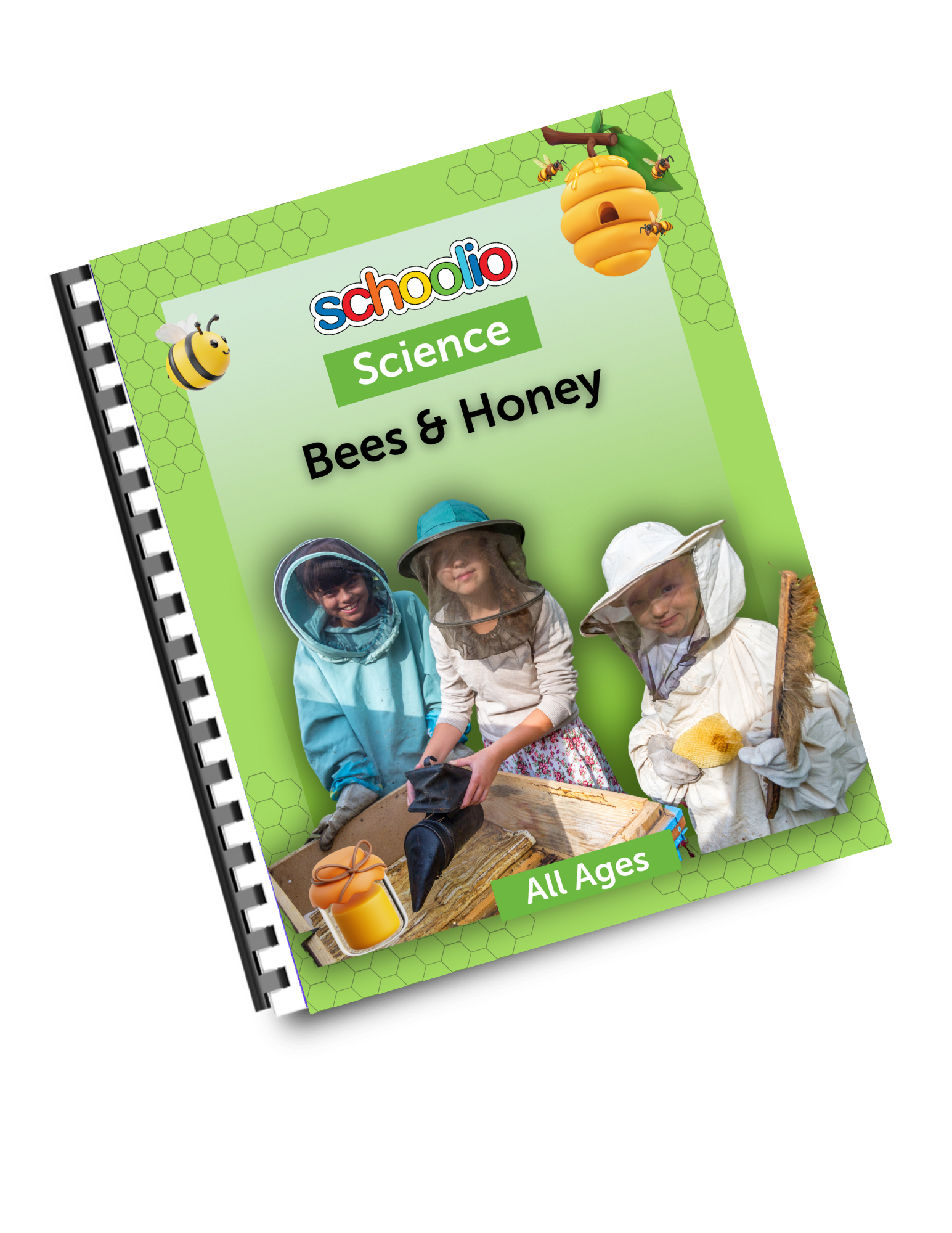
  • Schoolio Curriculum: All About Butterflies pg. 20-24
  • Associated Curricular Activity: Real World Moth and Butterfly Identification
  • Additional Activity: Set up moth lights to observe nocturnal pollinators. For tips on setting up, visit: Go Mothing! – Science Friday.

Afternoon Session
Lesson 12: How Do Bees Make Honey?

  • Schoolio Curriculum: Bees & Honey pg. 35
  • Associated Curricular Activity: My Honeybee Book (Complete: How Honey is Made)
  • Additional Activity: Paint small clay pots with colorful designs and plant pollinator-friendly flowers or herbs.

Daily Outing
Field Trip Idea: Visit a local farmers’ market to see honey, beeswax products, and pollinator-friendly plants. Discuss the importance of supporting local agriculture and pollinator habitats as part of the Schoolio Summer Series.

Tuesday ?

Morning Session
Lesson 13: Why Are Butterflies Important?

  • Schoolio Curriculum: All About Butterflies pg. 25-27
  • Associated Curricular Activity: Butterfly Diary
  • Additional Activity: Take photos of butterflies and bees in your garden or on a local nature walk.

Afternoon Session
Lesson 14: Why Are Bees Important?

  • Schoolio Curriculum: Bees & Honey pg. 5-6
  • Associated Curricular Activity: What Do Bees Do?
  • Additional Activity: Become a Pollinator Detective! Research bee and butterfly species, their life cycles, and their vital role in pollination. Explore these resources: National Geographic Kids, BBC Bitesize, WWF-UK.

Daily Outing
Field Trip Idea: Explore a local nature center with guided hikes or nature walks focused on native plants and pollinators. Learn to use field guides and binoculars to spot butterflies and bees, enhancing your experience with the Schoolio Summer Series.

Wednesday ?

Morning Session
Lesson 15: Where Do Butterflies Live?

Afternoon Session

Lesson 16: How Is Honey Harvested?

Schoolio Curriculum: Bees & Honey pg. 36-40

Associated Curricular Activity: Centrifugal Force Experiment

Additional Activity: Sample various types of honey. For tips visit: Honey Tasting – Tempt Your Taste Buds OR honey tasting lesson

Daily Outing

Field Trip Idea: Visit a zoo or nature reserve with exhibits featuring native and exotic butterflies and bees. You can learn about global pollinator diversity, conservation efforts, and habitat preservation.

Thursday ?

Morning Session

Lesson 17: Food for Butterflies

Schoolio Curriculum: All About Butterflies pg. 31-33

Associated Curricular Activity: Butterfly Food 

Additional Activity: Make butterfly feeders using sugar water or fruit to attract butterflies for observation. For tips visit: Make a Butterfly Feeder — Edmonton & Area Land Trust OR Butterfly Feeders – Science World OR Make DIY butterfly feeder for garden (12 easy projects)  

Afternoon Session

Lesson 18: Life in the Hive: Autumn and Winter

Schoolio Curriculum: Bees & Honey pg. 41-42

Bees and Honey

Associated Curricular Activity: My Honeybee Book (Complete: Autumn and Winter Season)

Additional Activity: Learn how to make candles using beeswax sheets. For tips visit: How To Make Beeswax Candles – Shaye Elliott

Daily Outing

Field Trip Idea: Visit an urban beekeeping initiative or rooftop apiary in a city setting. You can learn about urban beekeeping practices, see beehives in urban environments, and discuss urban pollinator conservation.

Friday ?

Morning Session

Lesson 19: Butterfly Migration

Schoolio Curriculum: All About Butterflies pg. 34-37 All About Butterflies

Associated Curricular Activity: Butterfly Facts 

Additional Activity: Write pollinator poems inspired by bees and butterflies, focusing on their beauty, importance, and conservation. For different types of poems visit: Poetry Templates for Elementary Students – Erin Waters EDU 

Afternoon Session

Lesson 20: Bees and Society

Schoolio Curriculum: Bees & Honey pg. 43-45

Associated Curricular Activity: Save the Bees Presentation

Additional Activity: Design and decorate posters with facts about bees, butterflies, and other pollinators. Include tips for creating pollinator-friendly gardens and reducing pesticide use to promote conservation efforts.

Daily Outing

Field Trip Idea: Go on a virtual tour of a butterfly conservatory or bee hive 

Butterfly Conservatory: Virtual Tour – Cambridge Butterfly Conservatory 

Bee Hive: Virtual 360 Honey Bee Hive | Ask A Biologist 

Embark on a Summer Adventure!

Does your child love exploring nature or have a curiosity about the world around them? Our Insect Investigations camp offers an exciting summer filled with discovery and learning. Together, we’ll spark a passion for caring for the environment and inspire the next generation of conservation champions.

Don’t miss out on the chance to explore the wonders of nature with Schoolio’s Summer Series. Enroll now and watch your child grow into a confident explorer and advocate for our valuable pollinators.

Share the Excitement!

We’d love to see your kids in action during our Schoolio Summer Series! Share photos of your little explorers by emailing them to us or using the hashtag #SchoolioSummer on social media.

Let’s make this a summer to remember, full of wonder, learning, and a dedication to protecting our planet’s biodiversity. See you at the Schoolio Summer Series: Insect Investigations!

Join us in nurturing curiosity and fostering a love for nature!

Schoolio VS Homeschool Pro: Best Homeschool Program

Schoolio VS Homeschool Pro: Choosing the Best Homeschool Program

When it comes to choosing the right homeschool program, Schoolio and Homeschool Pro are popular options to consider. Understanding their features, benefits, and how they align with your family’s needs is crucial. Let’s delve into the comparison of Schoolio VS Homeschool Pro to see why Schoolio stands out as the better choice for your family.

Homeschool Pro

Promotion:

  • NEW SCHOOL YEAR SALE – 50% Off Lifetime Membership
  • Monthly Membership: $40/month

Features:

  • Complete Homeschool Curriculum: Meets and exceeds requirements of all 50 states.
  • Hundreds of Classes and Electives: Wide variety of subjects and interests.
  • Unlimited Class Access: Students can access all classes without restrictions.
  • Graded Quizzes and Assignments: Ensures students are evaluated and receive feedback.
  • Dedicated Homeschool Advisor: Personalized support for your homeschooling journey.
  • Full Homeschool Support: Comprehensive assistance for all your needs.
  • JuniorFolio™ Digital Homeschool Portfolio: Keeps track of your child’s progress.
  • One Membership Covers Entire Family: A single membership fee for the whole family.

Flexibility:

  • Supplement or Standalone: Can be used as a full curriculum or to supplement another platform.
  • Materials Included: All required materials are included and downloadable, saving you money on textbooks.

Schoolio

Promotion:

  • $29.99 per Student per Month
  • 30% off Sibling Discount

Features:

  • All Core Subjects: Math, Language Arts, Science, and Social Studies for all grades. Allows for mix and match customization.
  • Hundreds of Electives: Wide range of electives to build curiosity and critical thinking.
  • Future Readiness Units: Choose units that prepare students for future challenges.
  • Personalized Learning Experience: Tailored to meet individual student needs, including those of neurodivergent students.
  • Family Membership Benefits:
    • Unlimited Digital Access: To all core content and electives.
    • Custom Courses and Assessments: Designed to fit your child’s learning style.
    • Dedicated Student Success Coach: Assigned to your family for support and advice.
    • Regular Check-ins: Ensuring your child’s progress and your peace of mind.
    • Discounted Schoolio eBooks: Promotions and discounts on eBooks are available periodically for annual subscribers. (Please note that these offers are subject to change.)
    • Screen-Free Options: EBooks and Print Materials: Available for those who prefer less screen time.
    • School Your Way Kit: Includes full curriculum, planning tools, expert support, and family pass membership.

Why Schoolio is the Better Choice for Your Family

  1. Cost-Effectiveness: Schoolio offers a more affordable monthly rate at $29.99 per student compared to Homeschool Pro’s $40 monthly fee for the whole family. Plus, the 30% sibling discount makes it even more budget-friendly for larger families.
  2. Personalized Support: Schoolio provides a Dedicated Student Success Coach assigned to your family, offering custom program recommendations and regular check-ins, ensuring a tailored and supportive homeschooling experience.
  3. Flexibility and Customization: With Schoolio, you can mix and match core subjects and electives to create a personalized curriculum that fits your child’s unique needs and interests. Custom courses and assessments help track and enhance learning progress.
  4. Future Readiness: Schoolio includes future readiness units that prepare students for real-world challenges, ensuring they are well-equipped for college and beyond.
  5. Screen-Free Options: For families preferring less screen time, Schoolio offers all materials in both eBook and print formats. Discounts on eBooks for annual subscribers are available periodically, allowing you to purchase what you need as promotions arise.
  6. Comprehensive Family Membership: The Schoolio Family Membership provides unlimited access to all core content and electives, custom courses, scheduling tools, and much more, making it a complete solution for homeschooling.

Final Thoughts

In the comparison of Schoolio VS Homeschool Pro, while both offer robust homeschooling solutions, Schoolio emerges as the superior choice. Its cost-effectiveness, personalized support, flexibility, and comprehensive membership benefits make it an ideal option. Schoolio ensures that your child receives a well-rounded, neurodivergent-friendly, and future-ready education while supporting your homeschooling journey with expert guidance and practical resources.

Get started with Schoolio today and start on a rewarding homeschooling adventure with confidence!

Starting Homeschooling: 5 Things You Don’t Actually Need to Begin

5 Things You Don’t Need to Start Homeschooling | Schoolio Blog

Starting homeschooling can feel overwhelming, especially with the abundance of advice and resources available. It’s easy to believe that you need to have everything perfectly in place before you even begin. However, homeschooling is a flexible and adaptable learning experience that doesn’t require as much as you might think. Let’s explore five things you don’t actually need to start homeschooling.

1. The Most Expensive Curriculum

When starting homeschooling, it’s tempting to think that the best curriculum is the most expensive one. While there are many high-priced options, they aren’t necessarily the best fit for your family. Every child learns differently, so it’s important to choose a curriculum that suits their needs, not just the one with the highest price tag.

Affordable or free resources can be just as effective when starting homeschooling. Many homeschooling families have found success with library books, online resources, and DIY materials. These options allow for a more personalized approach to learning, ensuring your child remains engaged and interested in their education.

2. A Color-Coded Schedule

When starting homeschooling, a color-coded schedule might look impressive, but it’s not essential for success. While having a schedule is helpful, homeschooling allows for flexibility that traditional schools don’t offer. Rigid schedules can add unnecessary stress and take away from the freedom homeschooling is supposed to provide.

Instead of sticking to a strict timetable, consider creating a loose routine that allows for spontaneity and exploration. This approach can be more beneficial when starting homeschooling, as it enables children to dive deeper into subjects they’re passionate about without feeling rushed.

3. A Designated Learning Space

Many people assume that you need a specific room or area dedicated solely to learning in order to start homeschooling effectively. While having a designated space can be nice, it’s not a necessity. Homeschooling can happen anywhere—in the living room, at the kitchen table, or even outside.

The beauty of starting homeschooling is its adaptability. Learning can take place in various environments, each providing unique opportunities for growth and exploration. The world becomes your classroom, allowing you to tailor the learning experience to what works best for your family.

4. A Teaching Degree

One of the most common misconceptions about starting homeschooling is that parents need a teaching degree to educate their children effectively. While having a teaching background can be helpful, it’s not required. Parents are their children’s first teachers, and homeschooling is an extension of that natural learning relationship.

There are numerous resources available to support parents in their teaching journey, including online communities, workshops, and educational materials. The key to starting homeschooling successfully is a willingness to learn alongside your child and adapt to their changing needs and interests.

5. A “Socialization” Plan

Socialization is often a top concern for parents starting homeschooling. Many worry that their children will miss out on social interactions by not attending a traditional school. However, homeschooling provides ample opportunities for socialization through co-ops, sports teams, community events, and extracurricular activities.

Children can engage with peers in a variety of settings, developing friendships and social skills along the way. The flexibility of starting homeschooling also allows families to tailor social activities to their children’s interests, ensuring they build meaningful connections in environments where they feel comfortable.

Conclusion

Starting homeschooling doesn’t require a long list of expensive or elaborate resources. By focusing on what truly matters—your child’s learning needs and interests—you can create a fulfilling and effective homeschooling experience without unnecessary stress. Remember, the key to starting homeschooling successfully is flexibility, adaptability, and a willingness to embrace the unique journey of learning together.

Starting homeschooling allows for creativity and individuality, making it a rewarding experience for both parents and children. By letting go of the pressure to have everything “perfect,” you can focus on what truly matters: fostering a love of learning and helping your child thrive in their educational journey. Embrace the freedom and possibilities that starting homeschooling offers, and enjoy the adventure!

Schoolio VS IXL: Which is the Best Choice for Homeschooling?

Schoolio VS IXL: Best Homeschool Curriculum for Personalized Learning

When it comes to homeschooling, choosing the right curriculum provider is essential for your child’s educational success. With many options available, it can be challenging to decide which one is best for your family’s needs. In this blog, we’ll provide a detailed comparison, highlighting Schoolio VS IXL: Best Homeschool Curriculum for Personalized Learning. While both offer comprehensive educational resources, we’ll highlight why Schoolio stands out as the superior choice.

Flexibility and Customization

IXL:

  • Comprehensive Curriculum: IXL offers a comprehensive K-12 curriculum covering Math, Language Arts, Science, Social Studies, and Spanish.
  • Individualized Guidance: With real-time analytics, IXL provides personalized guidance to meet the unique needs of each learner.
  • Family Membership Cost: $19.95 per month per child, with each additional child costing $4.

Schoolio:

  • Tailored Curriculum: Schoolio allows parents to tailor the curriculum to their child’s specific needs, including those of neurodivergent students, ensuring a personalized educational journey.
  • Flexibility: Homeschooling with Schoolio provides the flexibility to create a schedule that works best for the family, accommodating various learning paces and styles.
  • Safe Environment: Parents can ensure a safe, bullying-free environment, fostering a positive and supportive atmosphere ideal for neurodivergent students.

Why Schoolio is Better:

Schoolio offers greater flexibility and customization, making it easier to tailor the learning experience to each child’s unique needs, particularly for neurodivergent students. The ability to create a personalized schedule that fits your family’s lifestyle ensures a more effective and stress-free homeschooling experience.

Curriculum Quality and Variety

IXL:

  • Core Subjects: IXL covers core subjects including Math, Language Arts, Science, Social Studies, and Spanish.
  • Real-Time Analytics: IXL’s platform provides real-time analytics to track progress and personalize learning.

Schoolio:

  • Core Subjects and Electives: Schoolio includes all core subjects (Math, Language, Science, and Social Studies) for all grades, allowing you to mix, match, and personalize the curriculum as needed.
  • Wide Range of Electives: Schoolio offers hundreds of electives designed to build curiosity and critical thinking skills.
  • Future Readiness Courses: Schoolio also includes valuable courses like Introduction to Entrepreneurship, Financial Literacy: Smart Consumerism, and Investing and Borrowing to prepare students for real-world challenges.
  • Expert Support: Schoolio provides extensive resources and expert support to help parents confidently provide a high-quality education tailored to their child’s needs.

Why Schoolio is Better: While both IXL and Schoolio offer comprehensive coverage of core subjects, Schoolio excels with its extensive range of electives and future readiness courses. This allows students to explore diverse interests and develop critical thinking skills, making the learning experience more engaging and holistic.

Cost and Value

IXL:

  • Family Membership: $19.95 per month per child, with an additional cost of $4 for each extra child.

Schoolio:

  • Cost: For only $29.99 per month per student, Schoolio offers access to all core subjects and hundreds of electives.
  • Sibling Discount: Schoolio provides a 30% discount for siblings, making it a more affordable option for families with multiple children.

Why Schoolio is Better: Schoolio’s pricing model provides greater value, especially for families with multiple children. The sibling discount makes it a cost-effective solution while still offering a comprehensive and high-quality education.

Support for Neurodivergent Students

IXL:

  • Personalized Learning: IXL uses real-time analytics to tailor the learning experience to each student’s needs.

Schoolio:

  • Specialized Support: Schoolio empowers parents to confidently provide a high-quality education tailored to the needs of neurodivergent students. This includes extensive resources and expert support to ensure a supportive and effective learning environment.

Why Schoolio is Better: Schoolio is particularly well-suited for neurodivergent students, offering tailored support and resources to accommodate their unique needs. The flexibility to create a safe and positive learning environment is crucial for the success of neurodivergent learners.

Conclusion

In the debate of Schoolio VS IXL as the best homeschool curriculum, Schoolio emerges as the superior choice for families seeking flexibility, comprehensive curriculum options, and specialized support for neurodivergent students. Schoolio’s tailored approach, wide range of electives, future readiness courses, and cost-effective pricing make it an ideal option for providing a high-quality, personalized education. Choosing Schoolio means investing in a homeschooling journey that is engaging, adaptable, and supportive of all learning styles and needs. Visit Schoolio to learn more and start your personalized homeschooling adventure today!

What Do You Need to Know to Become a Homeschool Teacher?

What do superheroes and homeschool teachers have in common? They both need a multitude of skills to save the day!

To succeed as a homeschool teacher, it might feel like you need to be a master in an array of skills, but it’s not like that. Homeschool teachers’ job is not really different from parenting, it’s just an extension of that. 

With more families choosing to homeschool, the question of what makes a great homeschool teacher is becoming increasingly important. This guide dives into the many hats a homeschool teacher wears and explores the essential skills you’ll need.

Understanding the Role of a Homeschool Teacher

Homeschooling offers a unique and personalized approach to education, allowing parents to tailor learning experiences to their child’s individual needs. 

Unlike public school teachers, homeschool teachers are not bound by rigid state certifications, allowing for greater flexibility and adaptability in their teaching methods. Let’s understand this with a side by side comparison. 

Formal Teaching Credentials Vs. Homeschool Teaching Requirements

CriteriaFormal Teaching CredentialsHomeschool Teaching Requirements
Educational RequirementsBachelor’s degree in education or related fieldVaries by state; most states require a high school diploma or GED
CertificationMust complete a teacher preparation program and pass state examsNo certification required in most states
Background ChecksMandatory for public school teachersOnly two states require background checks for homeschool teachers
Continuing EducationRequired to maintain certificationNot required
Supervision and EvaluationRegular evaluations and student assessmentsVaries; few states require assessments of homeschooled students

Versatility and Multifaceted Role of Homeschool Teachers

A homeschool teacher wears many hats, embodying roles far beyond traditional teaching. As a parent, you might just be responsible for ensuring that your children studies well, but as a homeschooled teacher you need to take on the role of their teachers as well and nurture their various skills as a mentor. 

Public school teachers primarily focus on academics. However, homeschool teachers also take on administrative and parental responsibilities. 

This includes:

  • Curriculum planning
  • Individualized instruction
  • Integration of experiential learning opportunities

As a homeschool teacher, you can also personalize your teaching methods to cater to your child’s unique learning style:

  • You can include diagrams and charts if your child is a visual learner. 
  • If your child grasps things better by experimenting or having hands-on experience, you can tailor your methods to that. 

All of these things may seem like a steep learning curve, but as you progress through, you will find that being a homeschool teacher is one of the best experiences of your life. Seeing your child learn and grow and being the sculptor behind all of it is definitely one of the most precious feelings you can have. 

Necessary Skills to Become a Homeschool Teacher


Becoming an effective homeschool teacher requires a diverse set of skills that ensure you can provide a well-rounded and impactful education. 

There’s no need to be a master in all of these, but having a good understanding is preferred. However, as you progress further, you will eventually develop them. 

Here is the list of all the things you need to know; 

  • Organizational Skills:  These skills help homeschool teachers manage lesson plans, resources, and student progress efficiently. Organizing well helps in creating a structured learning environment that can help you maintain consistency and meet educational goals.
  • Time Management: Effective homeschooling starts with strong time management. It helps balance the responsibilities of preparing lessons, grading assignments, and planning activities. Good time management ensures all educational goals are met on time, preventing burnout and boosting productivity.
  • Instructional Skills: The ability to give the right instructions in a clear, engaging and effective manner is very important. This helps parents to deliver lessons more clearly and effectively. 
  • Research Skills: A homeschool teacher benefits greatly from being good at research and analysis. These skills help teachers find the best educational resources, keep up with the latest educational trends, and continuously enhance their teaching methods to provide a high-quality education for their children.
  • Classroom Management: Even in a homeschool setting, classroom management is important and can be easily achieved. By creating a positive learning environment, setting clear expectations, and maintaining discipline, you can foster a supportive atmosphere for learning and reduce distractions.
  • Curriculum Development: Designing a curriculum that meets standards and aligns with your child’s interests and needs and is simpler than you think. This ensures education is rigorous and personalized, setting your child up for success. Keep learning engaging and tailored to their strengths.

Dreaming of starting your own microschool? Schoolio’s annual platform license equips you with everything needed to create a dynamic, personalized learning environment. 

Our platform features a comprehensive K-8 curriculum, customizable courses, and interactive content to engage students and ignite a love of learning. Start today and turn your microschool vision into reality with Schoolio!

  • Communication: You don’t need to be a master of diplomatic talks. You need to have a level of connection which lets you communicate easily with your child. As a homeschool teacher, strong communication skills are essential. This includes both verbal and written communication. These skills help you explain complex concepts clearly and effectively.
  • Interpersonal Skills: These skills enable homeschool teachers to build strong relationships with their students, fostering a supportive and encouraging learning environment. These skills are essential for understanding and addressing students’ individual needs and for providing motivation and guidance.
  • Collaboration: Collaborative skills are important for homeschool teachers who work with co-op groups, other educators, or professionals to enhance the learning experience. Being able to collaborate effectively expands the educational opportunities available to students and integrates diverse perspectives and expertise.

Developing these skills will not only make you a more effective homeschool teacher but also ensure that your students receive a high-quality education tailored to their unique needs and potential.

You might also like: 5 Things You Need Before You Start Homeschooling


Understanding the legal requirements for homeschooling in the U.S. is crucial for parents and educators. 

Here’s a breakdown of the regulations based on the level of oversight required in different states:

States with High Levels of Regulation

These states have the most stringent requirements for homeschooling:

StateRequirement
New YorkYou must file quarterly reports on your student’s progress.
VermontRequires a “Student Narrative” for the first two years, detailing the instruction plan.
MassachusettsHomeschooling plans must be reviewed and approved by a homeschooling committee.
PennsylvaniaA detailed list of subjects must be taught, and a state-approved evaluator must evaluate students.
Rhode IslandRequires attendance records to be available for district review at the end of each year.

States with Moderate Levels of Regulation

These states have some regulatory requirements but are less stringent than the first group. 

Here’s the breakdown: 

StateRequirement
West Virginia, Hawaii, and OregonRequire standardized testing results to be sent to the district at specific grade levels.
North DakotaRequires assessments at grades 4, 6, 8, and 10.
MinnesotaHas an extensive list of subjects to be taught.
North CarolinaRequires the homeschool to have an official name and a designated Chief Administrator.
Virginia and South CarolinaOffer various homeschooling options to fit different needs.
WashingtonRequires an annual declaration of intent to homeschool.

States with Low Levels of Regulation

These states have minimal to no regulatory requirements for homeschooling. Generally, no formal notification or documentation is required. 

Here is a detailed breakdown: 

StateRequirement
ConnecticutMay ask for a letter of intent.
Illinois, Texas, Michigan, and IdahoRequire core subjects like mathematics and science to be taught.
Oklahoma and IndianaRequire at least 180 days of instruction and progress records.
Missouri and AlaskaHave no statewide regulations but may have local requirements.

States with Notice of Intent Requirements

These states require a notice of intent to homeschool but have varying additional requirements.

Here is a detailed list of requirements: 

StateRequirements
CaliforniaSubjects must be taught in English.
WyomingRequires a proposed curriculum.
Florida and ArizonaRequire an affidavit to start homeschooling and termination paperwork upon graduation or relocation.
MarylandOffers four main homeschooling options depending on circumstances.
AlabamaOnly requires physical education.
DelawareRequires notices of intent and attendance during the school year.

Understanding these regulations helps ensure that homeschool teachers comply with state laws and provide quality education tailored to their children’s needs.

Conclusion

Strong time management, curriculum development, and instructional skills make homeschooling rewarding and manageable. Being organized, empathetic, and good at communication helps a lot. Stay updated with educational trends and be open to adapting.

Personalized homeschooling caters to your child’s strengths and interests, enhancing their learning experience. It supports their academic success and overall development, preparing them for the future. Embrace these opportunities and watch your child thrive.

Remember, homeschooling is not a rocket science. You are just sharing your knowledge with them in a way that suits them the most. And all of this is an ongoing process, you can’t become a perfect homeschool teacher on day one. But with love and care, and learning along the way, you will definitely become their favourite teacher one day. 

At Schoolio, we offer the tools and support you need to succeed. Whether you’re just starting or looking to enhance your homeschooling approach, our resources are here to help. 

Contact us today to learn more about our tailored programs and see how we can support your goals. 

FAQs 

What are the essential skills required to be an effective homeschool teacher?

To be an effective homeschool teacher, you need strong time management, curriculum development, instructional skills, organization, empathy, and communication. Stay updated on teaching methods and educational trends.

How do homeschool teachers select the right curriculum?

Select a curriculum based on your child’s learning style, needs, and goals. Platforms like Schoolio offer customizable, expert-curated options to simplify the process.

What strategies can homeschool teachers use to keep children motivated and engaged?

To keep children motivated, homeschool teachers can use project-based learning, field trips, hands-on activities, and tailor lessons to the child’s interests. Mixing methods and adding fun, interactive elements also help engagement.

Schoolio Comprehensive Report Card for Holistic Growth

Discover the Schoolio Comprehensive Report Card: A Holistic Homeschooling Tool

Homeschooling is a journey that transcends traditional academics, aiming to nurture a child’s overall development. At Schoolio, we recognize this multifaceted approach and have designed a tool that reflects it perfectly – the Schoolio Comprehensive Report Card. This free template is a fantastic resource for homeschooling parents who wish to capture the full spectrum of their child’s growth, from academic achievements to life skills and personal development.

Why Choose the Schoolio Comprehensive Report Card?

Homeschooling is not just about mastering math and reading; it’s about fostering qualities like responsibility, creativity, resiliency, and essential life skills. The Report Card is tailored to provide a holistic view of a student’s development, ensuring that every aspect of their growth is acknowledged and celebrated.

Key Features of the Schoolio Comprehensive Report Card

Holistic Development Areas

The Report Card template goes beyond traditional academic assessments. It includes sections to evaluate a student’s progress in responsibility, resiliency, creativity, life skills, physical education, attitude, and work habits. This comprehensive approach ensures that you have a complete picture of your child’s development.

Customizable for Individual Needs

Every child is unique, and their education should reflect that. The Report Card template is designed to adapt to the specific requirements of students from grades 1-8. Whether your child excels in certain areas or needs more support in others, this report card can be customized to suit their individual needs.

Easy-to-Use Format

We understand that homeschooling parents and educators have a lot on their plates. That’s why this Report Card features an easy-to-use format that simplifies the assessment process. With clear sections and straightforward criteria, you can efficiently track and document your child’s progress.

Encourages Positive Growth

One of the standout features of the Schoolio Comprehensive Report Card is its emphasis on areas beyond academics. It highlights emotional regulation, healthy choices, acts of kindness, social skills, and mental education. By recognizing and encouraging these aspects, we aim to foster positive growth in every child.

How to Use the Schoolio Comprehensive Report Card

Using the Schoolio Comprehensive Report Card is simple and intuitive. Here’s a step-by-step guide to help you get started:

  1. Download the Template: Access the free Report Card template from our website.
  2. Customize for Your Child: Tailor the report card to fit your child’s grade level and specific needs. You can adjust the criteria and sections to best reflect their development.
  3. Track Progress: Throughout the school year, use the report card to regularly assess and document your child’s progress in various areas. Be sure to include observations and examples to provide a complete picture.
  4. Review and Reflect: At the end of each term, review the report card with your child. Celebrate their achievements and discuss areas for improvement. This reflection helps in setting goals and fostering a growth mindset.

Benefits of the Schoolio Comprehensive Report Card

The Schoolio Comprehensive Report Card offers numerous benefits for both students and parents:

  • Balanced Evaluation: Provides a well-rounded assessment that includes both academic and personal development.
  • Enhanced Communication: Facilitates meaningful conversations between parents and children about their progress and goals.
  • Personalized Learning: Helps in tailoring the homeschooling approach to meet the child’s unique needs and strengths.
  • Motivation and Encouragement: Recognizes and celebrates achievements in all areas, boosting the child’s confidence and motivation.

Why Holistic Education Matters

In today’s world, education extends far beyond textbooks and exams. Holistic education emphasizes the importance of nurturing every aspect of a child’s growth, preparing them for success in all areas of life. The Report Card template is designed with this philosophy in mind, ensuring that your homeschooling journey is enriching and rewarding.

Testimonials from Homeschooling Families

Don’t just take our word for it! Here’s what some homeschooling families have to say about the Report Card Template:

  • Emily S.: “The Schoolio Comprehensive Report Card has been a game-changer for our family. It allows us to track our children’s progress in all areas, not just academics. We’re so grateful for this valuable tool!”
  • Michael R.: “I love how the report card highlights my kids’ strengths and areas for improvement in a balanced way. It’s easy to use and customize, making our homeschooling journey smoother and more organized.”

Get Your Free Schoolio Comprehensive Report Card Today!

Ready to embrace a broader perspective on education? Download the FREE Schoolio Report Card template today and start tracking your child’s holistic development. Celebrate their achievements, set meaningful goals, and support their growth in every facet of life.

Visit our website to get your Schoolio Report Card and discover how it can transform your homeschooling experience. At Schoolio, we’re committed to providing the tools and resources you need to ensure your child’s success – academically, personally, and beyond.

Schoolio Summer Series Week 2: Exploring Bees and Butterflies

Schoolio Summer Series Week 2: Exploring Bees and Butterflies | Schoolio Summer Camp

Welcome to Week 2 of the Schoolio Summer Series! If you missed last week, don’t worry! Each week has its own unique theme and you can jump in anytime! This is an easy and fun way to keep learning all summer with your kids! Each week, we have a new theme that is perfect for summer learning. We include a bunch of resources for you to access throughout the week, and give you a full, day-by-day schedule you can follow! On Friday of each week, we post the plan here for the following week that includes lessons, activities, crafts, and more, all in an easy-to-use schedule! That gives you the weekend to do any prep work (like gathering art or science supplies, and printing any pages you want in hard copy). We’re bringing you all the tools and planning you need to deliver a complete summer program to your kiddos! Let’s check out Week 2!

Week 2 Schedule Highlights

Monday ?

Morning Session

Bees and Honey

Afternoon Session

All About Butterflies

Daily Outing

  • Field Trip Idea: Explore nearby parks or trails to observe bees and butterflies in their natural habitats and identify different species of plants they visit.

Tuesday ?

Morning Session

  • Lesson 3: Parts of a Butterfly
    • Schoolio Curriculum: All About Butterflies pg. 7-9
    • Associated Curricular Activity: Parts of a Butterfly
    • Additional Activity: Paint rocks with butterfly wing designs for your garden.

Afternoon Session

Daily Outing

  • Field Trip Idea: Take a trip to a local botanical garden specializing in pollinator-friendly plants and learn about their maintenance and importance.

Wednesday ?

Morning Session

  • Lesson 5: Why Butterflies are Colourful

Afternoon Session

Daily Outing

  • Field Trip Idea: Explore nearby nature reserves or wildlife refuges where you can observe pollinators in their natural habitats. Look for designated butterfly gardens or meadows filled with native wildflowers.

Thursday ?

Morning Session

  • Lesson 7: Butterfly Self Defence

Afternoon Session

Daily Outing

  • Field Trip Idea: Arrange a visit to a local apiary where you can learn about beekeeping practices, observe honey bee colonies, and understand the role of bees in honey production and pollination.

Friday ?

Morning Session

Afternoon Session

  • Lesson 10: Life in the Hive: Spring and Summer
    • Schoolio Curriculum: Bees & Honey pg. 23-34
    • Associated Curricular Activity: My Honeybee Book (Complete: Bees in the Hive, Spring and Summer Season, and Life Cycle of a Honeybee)
    • Additional Activity: Watch Bee Movie.

Daily Outing

  • Field Trip Idea: Visit a butterfly house or conservatory that houses various species of butterflies. Observe butterflies up close, learn about their life cycles, and see caterpillars transforming into butterflies.

Join the Adventure

Whether your child is a budding naturalist or simply curious about the world around them, our Insect Investigations camp promises a summer of discovery and learning. Together, we’ll ignite a passion for environmental stewardship and empower the next generation of conservation champions.

Don’t miss out on this opportunity to delve into the wonders of the natural world with Schoolio’s Summer Series. Enroll today and watch your child blossom into a confident explorer and advocate for our precious pollinators.

Share the Fun!

We’d love to see your kids in action during our Schoolio Summer Series! Please share any pics of your little explorers either by emailing them to us or using the hashtag #SchoolioSummer on social media.

Let’s make this summer one to remember, filled with wonder, learning, and a commitment to protecting our planet’s biodiversity. See you at the Schoolio Summer Series: Insect Investigations!

Join us in nurturing curiosity and fostering a love for nature!

Top Preschool Homeschool Curriculum Options

Ever noticed how kids can turn a cardboard box into a spaceship? Now, imagine channeling that creativity into their early education!

Early education plays a pivotal role in a child’s development, seamlessly blending play and formal learning to create a balanced and enriching experience. By providing the right stimuli, encouragement, and a structured routine, children can develop a strong foundation for future learning.

Choosing the right homeschool preschool curriculum is crucial for maximizing these benefits. It’s essential to select a program that aligns with your child’s pace, interests, and educational needs. 

This ensures that learning remains engaging and tailored to their unique abilities, setting the stage for a lifelong love of education. Explore these preschool curriculum options to find the perfect fit for your child’s early learning journey.

Top 11 Homeschool Preschool Curriculum

1. Schoolio

schoolio

Schoolio is a comprehensive homeschool kindergarten curriculum that can be used as early as age 3, designed to cater to the diverse needs of young learners. This program stands out due to its engaging and interactive approach, ensuring that children remain motivated and excited about learning. 

Schoolio’s curriculum covers essential subjects such as reading, math, science, and art, integrated with activities that promote critical thinking and creativity.

Key Features:

  • Structured and Flexible: Adapts to individual learning paces and interests, offering a balance between guided lessons and creative freedom.
  • Adaptable Curriculum: Allows parents to tailor lessons to their child’s strengths and areas for improvement.
  • Detailed Lesson Plans: Provides comprehensive guidance for parents with daily activities and learning objectives.
  • Printable Materials: Budget-friendly, easily accessible resources that promote hands-on learning experiences.
  • Supportive Online Community: Access to forums and groups for additional support, sharing experiences, and strategies.
  • Holistic Development: Emphasizes emotional and social growth alongside academics, ensuring well-rounded development.

Ideal For:

  • Preschool to K-8 students

Pricing:

  • Kindergarten is only available in book format, at $276 for the complete year. You can also purchase it one term at a time to spread out the cost.

Explore Schoolio’s comprehensive homeschool kindergarten curriculum today to create a fun and engaging learning environment for your child.

2. ABCmouse

ABCmouse

Image Source: ABCmouse

ABCmouse’s preschool curriculum is rich with interactive activities designed to captivate young learners. The platform includes animations, games, books, songs, and puzzles, all crafted to teach specific educational concepts in a fun and engaging manner. 

For instance, animated characters like Prospector Paul and King Grammar help teach letter combinations and proper nouns, respectively​

Key Features:

  • Interactive lessons in reading, math, science, and art
  • Children can personalize their learning experience with customizable avatars

Ideal For:

  • Children aged 2-8

Pricing:

  • $12.99/month or $59.99/year

3. Time4Learning


Image Source:
Time4Learning

Time4Learning offers an interactive curriculum for students from preschool to high school. 

Established as a flexible and engaging homeschooling solution, it integrates technology to provide a rich learning experience through thousands of lessons and activities.

Their preschool program, in particular, is designed to lay a solid educational foundation through fun, interactive lessons that captivate young learners’ interest.

Key Features:

  • Comprehensive online curriculum
  • Self-paced format with automated grading and recordkeeping

Ideal For:

  • Pre K-12 students

Pricing:

  • $29.95/month for PreK-8th grade

Also read: Schoolio vs. Time4Learning Curriculum Comparison

4. Sonlight Preschool


Image Source: Sonlight Preschool

Sonlight provides a literature-based curriculum for preschoolers. It includes read-aloud books, hands-on activities, and gentle introductions to math and language arts. 

The curriculum promotes a love for reading and exploration. The USP of Sonlight is its extensive library of high-quality books.

Key Features:

  • The program integrates Montessori principles by providing materials and activities that encourage independent learning and exploration.
  • The curriculum focuses on developing key skills such as motor skills, visual acuity, auditory skills, and comprehension.

Ideal For: 

  • Infants to preschool (6 weeks – 5 years of age)

Pricing:

  • Starting at $125/year per child

5. The Good and the Beautiful

Image Source: The Good and The Beautiful

The Good and the Beautiful offers a comprehensive and beautifully designed preschool curriculum aimed at children aged 3-5. The program integrates core academic subjects with character development, nature appreciation, and wholesome literature. 

Founded by Jenny Phillips, the curriculum emphasizes family values, God, and high moral character.

Key Features:

  • Faith-based, literature-rich curriculum
  • Integration of character development and high moral values

Ideal For:

  • K-8 students

Pricing:

  • Free for PDFs
  • $58-$149 for printed versions

6. Blossom and Root


Image Source: Blossom and Root

Blossom and Root offers a hands-on, nature-inspired curriculum. It integrates nature studies, art, literature, and math. The approach fosters exploration, critical thinking, and an appreciation for the natural world.

Its focus on nature-based education promotes creativity and holistic development, nurturing a love for learning.

Key Features:

  • The curriculum is filled with hands-on, play-based activities that promote critical thinking and problem-solving skills. 
  • The curriculum is structured to meet the developmental needs of preschool-aged children. 

Ideal For:

  • Pre K-5 students

Pricing:

  • $22-$49, depending on the volume you purchase

7. Timberdoodle


Image Source: Timberdoodle

Timberdoodle has been a reputable provider of homeschool curricula since 1985, known for its emphasis on experiential learning through hands-on activities and games. 

The company curates its curriculum kits from a wide range of publishers to provide comprehensive educational resources for different grade levels, including preschool.

Key Features:

  • Curated curriculum kits with interactive learning tools
  • Includes STEM, logic, and art activities

Ideal For:

  • Preschool children

Pricing:

  • $382-$1025 per kit

8. The Homegrown Preschooler

Image Source: The Homegrown Preschooler

The Homegrown Preschooler offers a hands-on, wonder-based curriculum designed for children aged 3-7. 

Founded by Kathy Lee and Lesli Richards, the curriculum aims to transform everyday home life into a rich learning environment, leveraging the natural learning opportunities found at home. 

This approach is backed by research supporting hands-on learning as a foundation for more complex subjects later on​.

Key Features:

  • Play-based curriculum focusing on sensory exploration
  • Emphasis on active learning and social skills development

Ideal For:

  • Preschool children

Pricing:

  • $148 for “A Year of Playing Skillfully” curriculum

9. Little Acorns Preschool


Image Source: Little Acorns Preschool

Little Acorns Preschool offers a nurturing and engaging environment for young children, focusing on hands-on, play-based learning. 

The preschool integrates various educational philosophies to provide a comprehensive early childhood education, emphasizing social, emotional, and cognitive development.

Key Features:

  • Religious curriculum with Bible stories
  • Focus on math, science, handwriting, and phonics

Ideal For:

  • Preschool children

Pricing:

  • Varies by provider

10. Explode the Code

Image Source: Explode The Code

Explode The Code is a research-based, systematic phonics program designed to build essential literacy skills. It utilizes the Orton-Gillingham approach to provide direct, hands-on, and multisensory instruction. 

The program is suitable for PreK through 4th grade and is available in both print and digital formats​.

Key Features:

  • The online version features a game-like interface with immediate feedback and a rewards system to keep students motivated. 
  • The curriculum incorporates visual, auditory, and kinesthetic activities, making it accessible and engaging for a variety of learners.

Ideal For:

  • K-4 students

Pricing:

  • $11.50 per workbook

11. Experience Early Learning


Image Source: Experience Early Learning

Experience Early Learning provides a play-based, thematic curriculum. It emphasizes arithmetic, science, literacy, and fine motor abilities as well as social and emotional growth. Lesson plans, resources, and music are all included in the curriculum. 

The unique selling point of Experience Early Learning is its themed approach that involves kids in play and exploration.

Key Features:

  • Each month includes a variety of hands-on learning materials such as literacy tools, math tools, art supplies, and science tools.
  • The curriculum is designed to develop 35 key skills through playful games and projects. 

Ideal For:

  • Preschool children

Pricing:

  • $85-$115 per month

5 Free Preschool Curriculum Options

Choosing a free preschool curriculum can be a daunting task, but several excellent options are available to ensure your child’s early education is both enriching and enjoyable. Here are some top free preschool curriculum options:

1. Reading Mama


Image Source: Reading Mama

  • Target Audience: Preschoolers with basic alphabet knowledge
  • Overview: This curriculum is designed to build upon a child’s existing knowledge of the alphabet, focusing on early reading skills. It includes various activities that promote phonemic awareness, letter recognition, and beginning reading skills.
  • Resources: Printable worksheets and hands-on activities.
  • Availability: Free to download from This Reading Mama’s website​​.

2. Progressive Phonics


Image Source: Progressive Phonics

  • Target Audience: Children from the alphabet stage to advanced phonics
  • Overview: Progressive Phonics offers a sequential learning path that starts with basic alphabet knowledge and progresses to advanced phonics. The program includes printable books, worksheets, and activities that make learning to read interactive and fun.
  • Resources: Books and matching handwriting worksheets.
  • Availability: Free to download from the Progressive Phonics website​.

3. Easy Peasy All-in-one Homeschool


Image Source: Easy Peasy All-in-one Homeschool

  • Target Audience: Preschoolers ready for an extensive online curriculum
  • Overview: Easy Peasy Preschool provides a comprehensive online curriculum covering a wide range of subjects. The curriculum focuses on reading, math, and basic preschool concepts such as shapes and colors. It includes printable materials and a structured daily schedule.
  • Resources: Online lessons, printable worksheets, and activity suggestions.
  • Availability: Available for free on the Easy Peasy All-in-One Homeschool website​​.

4. Motherhood on a Dime


Image Source: Motherhood on a Dime

  • Target Audience: Families seeking a Bible-based curriculum
  • Overview: This curriculum integrates Bible stories with varied educational activities. It includes lessons that cover academic skills, fine motor skills, and social-emotional development through engaging, hands-on activities.
  • Resources: Lesson plans, activity guides, and printable materials.
  • Availability: Free to access and download from their website​.

5. ABC Jesus Loves Me


Image Source: ABC Jesus Loves Me

  • Target Audience: Preschoolers benefiting from a blend of academic learning and play
  • Overview: ABC Jesus Loves Me combines academic learning with play-based activities. The curriculum includes a range of subjects such as reading, math, and Bible studies, with an emphasis on learning through play.
  • Resources: Printable lesson plans, activity sheets, and structured weekly schedules.
  • Availability: Free curriculum available on the ABC Jesus Loves Me website​​.

These free preschool curriculum options offer diverse approaches to early childhood education, ensuring that you can find a program that best fits your child’s needs and your homeschooling style.

Conclusion

Choosing the right preschool homeschool curriculum can set the stage for a lifelong love of learning. By selecting a program that aligns with your child’s pace, interests, and educational needs, you can create a balanced, enriching educational experience. 

Whether you opt for a structured program like Schoolio or explore free resources like Reading the Alphabet and Progressive Phonics, the key is to provide engaging, flexible, and supportive learning opportunities.

With the right curriculum, you can foster your child’s growth and development, preparing them for future educational success. Start exploring these top preschool curriculum options today to find the perfect fit for your child’s early learning journey.

Discover how Schoolio’s adaptable and detailed lesson plans can cater to your child’s unique learning needs. Explore our wide range of customized homeschooling plans that ensure comprehensive coverage of essential subjects and skills.

Frequently Asked Questions 

What are the benefits of using a homeschool preschool curriculum?

Using a homeschool preschool curriculum offers benefits such as personalized learning that matches your child’s pace and interests, a flexible schedule that fits family needs, and a fun, pressure-free environment. 

Are there any free homeschool preschool curriculum options available?

Several free homeschool preschool curriculum options are available, including Reading the Alphabet, Progressive Phonics, Easy Peasy Preschool, God’s Little Explorer and ABC Jesus Loves Me. These programs offer resources like printable worksheets, online lessons, and hands-on activities.

How can I create a flexible homeschooling schedule for my preschooler?

To create a flexible homeschooling schedule, establish a routine with both structured learning and free play. Include multiple breaks, outdoor activities, and hands-on projects to keep learning engaging. Adapt the schedule to your child’s needs and interests, and regularly reassess and adjust as necessary.