Free Homeschooling Options in Texas: Explore Your Choices for 2024
Yes. There are many free homeschooling resources available in Texas, including online courses, public library programs, and community group activities.
In Texas, homeschooling families have access to a variety of free educational options and resources that support their children’s learning outside of traditional school settings. Public libraries across the state offer extensive collections of educational materials, including books, e-books, audiobooks, and online databases, all accessible at no cost. These resources cater to diverse subjects and interests, providing essential support for homeschooling curricula. Educational websites and apps, such as PBS LearningMedia, National Geographic Kids, and BBC Bitesize, offer free educational videos, games, and activities that enrich homeschooling experiences across different academic disciplines. Local community centers, museums, and cultural institutions also contribute by offering free or discounted educational programs and workshops, allowing homeschooling families to engage in hands-on learning experiences outside the home.
Additionally, there are online educational platforms that offer free trials, click here to learn more about Schoolio’s free 7-Day FREE trial! Schoolio provides families with a low cost educational platform for all your homeschooling needs.
While homeschooling itself is not financially supported by the state, these free or low cost resources empower families to provide quality education to their children effectively and economically, ensuring an enriching homeschooling experience.
In conclusion, Texas offers a wealth of free homeschooling resources, from public library programs to educational websites and community activities. While the state doesn’t fund homeschooling directly, families can still access quality educational support through these no-cost options. Plus, with Schoolio’s affordable platform and 7-DAY FREE TRIAL, you can easily enhance your homeschooling experience, making it both effective and budget-friendly.
Yes. Unschooling is legal in Texas. Unschooling is a recognized and lawful approach to homeschooling in Texas. It’s offering families the freedom to personalize their children’s educational experiences as they see fit.
Now that you can rest assured that you aren’t breaking any laws. Let me tell you what unschooling is all about!
Unschooling allows children to learn through self-directed exploration of their interests and natural curiosity, rather than following a structured curriculum typical of traditional schooling. Unschooling presents numerous benefits for children and families who choose this approach. At its core, unschooling advocates for child-led learning, allowing children to pursue their interests and passions autonomously. This approach nurtures intrinsic motivation and cultivates a genuine love for learning as children engage deeply with subjects that captivate them. The flexibility inherent in unschooling enables learning to occur organically, adapting to individual learning styles and accommodating diverse schedules and environments. By tailoring education to each child’s unique strengths and interests, unschooling promotes a highly personalized educational experience. This can be more effective than traditional schooling methods. Schoolio understands that the best learning occurs when students are highly engaged with topics that explore their unique interests. That’s why we’ve created interest-based electives to ignite your child’s passion for learning!
In conclusion, unschooling is indeed legal in Texas, offering families the flexibility to personalize education through child-led learning. This approach fosters a deep love for learning by focusing on children’s interests and natural curiosity.
Homeschooling Popular in Texas: A Growing Educational Choice
Short answer: Yes! There has been a significant surge in the popularity of homeschooling in Texas in recent years.
Long answer: Yes!
In recent years, homeschooling has gained significant popularity amongst families in Texas. There are many variables that have contributed to this shift, as homeschooling is quickly becoming a highly sought after educational alternative for forward-thinking families who are invested in bettering their child’s educational experience and reclaiming autonomy over their child’s learning.
The COVID-19 pandemic played a pivotal role in accelerating interest in homeschooling as families searched for more stable and personalized educational options during periods of school closures. This experience emphasized the appeal of homeschooling’s flexibility and customization, allowing parents to tailor curriculum and learning approaches to accommodate their child’s individual needs, learning styles, and interests more closely than traditional schooling often allows.
Concerns over the quality of education provided in traditional public and private schools have also prompted some parents to explore homeschooling as a means to ensure their children receive a high-quality education aligned with their values. Advancements in educational resources, online learning platforms such as Schoolio, and support networks have made homeschooling more accessible and achievable for families across the state.
The state has recognized homeschooling as a valid educational choice and has streamlined processes for families, further supporting its acceptance and integration into the educational landscape.
Ultimately, the recent surge in homeschooling’s popularity reflects a growing trend towards educational diversity and parental empowerment in Texas. As more families discover and embrace the benefits of homeschooling, it is becoming increasingly recognized as a valuable and respected educational choice across the state.
How Do I Legally Start Homeschooling in Saskatchewan?
To legally start homeschooling in Saskatchewan, you’ll need to follow a few essential steps to meet local regulations. Understanding and completing these requirements will set you on the right path to providing a structured and enriching educational experience for your child.
Legal Requirement #1: Notify your local school division with a Notice of Intent to Homeschool. This letter formally notifies your local school division of your decision to homeschool and states that you are taking responsibility for your child’s education.Click here for a Notice of Intent to Homeschool template.
Legal Requirement #2: Submit an Education Plan to your local school division. This plan can include a description of: learning outcomes, areas of study, assessment strategies, educational activities, learning resources, and instruction methods. Click here for an Education Plan template.
That’s it. Now it’s time for the fun part: create an engaging, personalized educational program that ignites your child’s love of learning! Click here to learn more about Schoolio: The Homeschool Program for Saskatchewan Families.
What Forms Are Needed for Homeschooling in Saskatchewan?
You need two forms for homeschooling in Saskatchewan: A Notice of Intent to Homeschool and An Education Plan. Click here for a Notice of Intent to Homeschool template. Click here for an Education Plan template.
Do I Need to Complete Progress Reports for Homeschooling in Saskatchewan?
Yes, you need to complete an Annual Progress Report for homeschooling in Saskatchewan . Be sure to submit it before the local school division’s deadline. Click here for an Annual Progress Report template.
Are Any Provincial Tests Required For My Homeschooler in Saskatchewan?
No. Provincial tests are not required for students homeschooling in Saskatchewan.
What is a Notice of Intent to Homeschool in Saskatchewan?
A Notice of Intent to Homeschool is a letter that formally notifies your local school division of your decision to homeschool and states that you are taking responsibility for your child’s education.
What Qualifications are Needed for Homeschooling in Saskatchewan?
There are no qualifications needed for homeschooling in Saskatchewan. With the right support and resources, you don’t need any formal qualifications to be the teacher your child needs and deserves! Click here to learn more about Schoolio: The Homeschool Program for Saskatchewan Families.
How Would My Child Re-enter Public School if I Change My Mind?
It’s okay to change your mind! For your child to re-enter public school you will need to contact your local school division to organize which school your child will be attending and when they will re-enter the public system. Your child may be assessed to determine their grade level.
Funding and Costs
Is There Funding/Grants/Stipends for Homeschooling in Saskatchewan?
Great news for families homeschooling in Saskatchewan: funding is available! Families homeschooling in Saskatchewan can receive between $300 and $1000 per year per child. To be eligible for this funding, you must notify and be approved by your local school division. This funding can help cover costs associated with educational materials and resources.
Selecting a low-cost educational resource, such as Schoolio, enables families homeschooling in Saskatchewan to provide a rich educational experience without straining their budget. Moreover, Schoolio stands out as an excellent option for parents who want a high-impact program at a lower cost. Click here to learn more about Schoolio.
How Much Does It Cost to Homeschool in Saskatchewan?
Homeschooling is priceless, but at what cost? The cost of homeschooling in Saskatchewan ranges from hundreds to thousands of dollars per year based on numerous factors, including subscriptions to online programs, supplies, books, extra-curricular fees, field trips, etc. Some of these costs can be financed by the funding provided to homeschooling families by their local school division.
By choosing a low-cost educational resource like Schoolio, families homeschooling in Saskatchewan can provide a rich educational experience. This allows them to stay within budget without sacrificing quality. Schoolio is a great option for parents looking for a high impact program at a low cost.
Is There a Tax Credit for Homeschooling in Saskatchewan?
No. There is no tax credit for homeschooling in Saskatchewan.
Where to Find Community, Support, and Encouragement
What Are the Homeschooling Associations in Saskatchewan?
In Saskatchewan, the primary homeschooling association is the Saskatchewan Home Based Educators (SHBE), which offers support, resources, and advocacy for homeschooling families. Click here to visit their website.
Are There Homeschooling Conferences in Saskatchewan?
Yes, there are numerous homeschooling conferences in Saskatchewan, primarily organized by the Saskatchewan Home Based Educators (SHBE). These conferences provide valuable insights on educational resources, teaching strategies, and legal requirements. Click here to learn more.
What Are the Homeschooling Support Groups in Saskatchewan?
In Saskatchewan, the Saskatchewan Home Based Educators (SHBE), serves as the primary organization offering support, resources, and advocacy for homeschooling families. Click here to learn more.
What Are the Homeschool Boards and Programs in Saskatchewan?
In Saskatchewan, homeschooling families remain under their local school division. This is the same public school board where you submitted your Notice of Intent to Homeschool. Click here for a list of school divisions in Saskatchewan.
Is Unschooling Legal in Alberta? Discover the Freedom of Child-Led Learning
Yes, unschooling is legal in Alberta. Parents opting for this educational approach must notify their local school board of their intent to homeschool. Unschooling is a lawful approach in Alberta, allowing families to personalize their children’s education.
Now that you know it’s legal, let me explain what unschooling is all about!
What Is Unschooling?
Unschooling allows children to learn through self-directed exploration of their interests and natural curiosity. This approach differs from a structured curriculum typical of traditional schooling. Unschooling presents numerous benefits for children and families who choose this approach. At its core, unschooling advocates for child-led learning, allowing children to pursue their interests and passions autonomously. This approach nurtures intrinsic motivation and cultivates a genuine love for learning. Children engage deeply with subjects that captivate them. The flexibility inherent in unschooling enables learning to occur organically. It adapts to individual learning styles and accommodates diverse schedules and environments.
By tailoring education to each child’s unique strengths and interests, unschooling promotes a highly personalized experience. Tailoring education can be more effective than traditional methods. Schoolio understands that students learn best when they are motivated and engaged with their unique interests. Therefore, we emphasize creating opportunities that foster that engagement, enhancing learning outcomes. That’s why Schoolio created interest-based electives to ignite your child’s passion for learning!
Click here to check out Schoolio’s interest-based electives
Are There Free Homeschooling Options in Saskatchewan?
Yes. There are many free homeschooling resources available in Saskatchewan, including online courses, public library programs, and community group activities.
In Saskatchewan, homeschooling families have access to a variety of free educational options and resources that support their children’s learning outside of traditional school settings. Public libraries throughout the province offer extensive collections of educational materials, including books, e-books, audiobooks, and online databases, all accessible at no cost. These resources cater to diverse subjects and interests, providing essential support for homeschooling curricula. Educational websites and apps, such as PBS LearningMedia, National Geographic Kids, and BBC Bitesize, offer free educational videos, games, and activities that enrich homeschooling experiences across different academic disciplines. Local community centres, museums, and cultural institutions also contribute by offering free or discounted educational programs and workshops, allowing homeschooling families to engage in hands-on learning experiences outside the home. The government of Saskatchewan also provides many free academic resources and materials for homeschooling families.
Additionally, there are online educational platforms that offer free trials, click here to learn more about Schoolio’s free 7-day trial! Schoolio provides families with a low cost educational platform for all your homeschooling needs.
These free or low cost resources empower families in Saskatchewan to provide quality education to their children effectively and economically, ensuring an enriching homeschooling experience.
Yes, unschooling is legal in Saskatchewan. Parents who opt for unschooling must notify their local school division. Notify the local school division with a Notice of Intent to Homeschool. Unschooling is a recognized and lawful approach to homeschooling in Saskatchewan, offering families the freedom to personalize their children’s educational experiences as they see fit.
Now that you can rest assured that you aren’t breaking any laws, let me tell you what unschooling is all about!
Unschooling allows children to learn through self-directed exploration of their interests and natural curiosity, rather than following a structured curriculum typical of traditional schooling. Unschooling presents numerous benefits for children and families who choose this approach. At its core, unschooling advocates for child-led learning, allowing children to pursue their interests and passions autonomously. This approach nurtures intrinsic motivation and cultivates a genuine love for learning as children engage deeply with subjects that captivate them. The flexibility inherent in unschooling enables learning to occur organically, adapting to individual learning styles and accommodating diverse schedules and environments. By tailoring education to each child’s unique strengths and interests, unschooling promotes a highly personalized educational experience that can be more effective than traditional schooling methods. Schoolio recognizes that the best learning happens when students are deeply engaged and motivated by topics that align with their unique interests, which is why we’ve designed interest-based electives to ignite your child’s passion for learning!
Click here to check out Schoolio’s interest-based electives.
Short answer: Yes! There has been a significant surge in the popularity of homeschooling in Saskatchewan in recent years.
Long answer: Yes!
In recent years, homeschooling has gained significant popularity amongst families in Saskatchewan. There are many variables that have contributed to this shift, as homeschooling is quickly becoming a highly sought after educational alternative for forward-thinking families who are invested in bettering their child’s educational experience and reclaiming autonomy over their child’s learning.
The COVID-19 pandemic played a pivotal role in accelerating interest in homeschooling as families searched for more stable and personalised educational options during periods of school closures. This experience emphasised the appeal of homeschooling’s flexibility and customization, allowing parents to tailor curriculum and learning approaches to accommodate their child’s individual needs, learning styles, and interests more closely than traditional schooling often allows.
Concerns over the quality of education provided in traditional public and private schools have also prompted some Saskatchewan parents to explore homeschooling as a means to ensure their children receive a high-quality education aligned with their values. Advancements in educational resources, online learning platforms such as Schoolio, and support networks have made homeschooling more accessible and achievable for families across the province.
The Saskatchewan government has recognized homeschooling as a valid educational choice and has streamlined processes for families to communicate their homeschooling plans to school boards, further supporting its acceptance and integration into the educational landscape.
Ultimately, the recent surge in homeschooling’s popularity reflects a growing trend towards educational diversity and parental empowerment in Saskatchewan. As more families discover and embrace the benefits of homeschooling, it is becoming increasingly recognized as a valuable and respected educational choice across the province.
Click here to start your Journey Homeschooling in Saskatchewan with Schoolio.
For homeschooling parents of children with ADHD, finding effective strategies to enhance focus and productivity not only makes your homeschooling days go much more smoothly, but helps teach your kids essential self-management skills they’ll need all their lives. One such technique that has gained popularity in the ADHD community is body doubling. This method involves having another person present while a task is being completed, providing a form of accountability and support that can significantly aid those with ADHD. This person, known as the “body double,” does not necessarily need to assist with the task, but simply being there can help the person with ADHD maintain their focus longer and reduce distractions and procrastination. The presence of the body double creates some structure that encourages task completion and minimizes distractions.
Have you ever found that your ADHD child struggles to complete their schoolwork when you leave them alone, but works much better if you sit with them, even if you’re not working with them? This is how Body Doubling works!
Why Does Body Doubling Work for ADHD?
For individuals with ADHD, executive function challenges often lead to difficulties with task initiation, focus, and follow-through. The strategy of body doubling for ADHD addresses these challenges by providing external support and accountability.
Here’s why body doubling works:
Increased Accountability: Having another person present creates a sense of obligation, which can motivate the ADHD person to start and complete tasks they might otherwise delay or avoid.
Reduced Distractions: Body Doubling for ADHD can help limit opportunities for distraction, as the ADHDer is less likely to engage in off-task behaviors with someone else around.
Enhanced Focus: The body double serves as a continuous gentle reminder to stay on track, helping the person to maintain focus on the task at hand. It also tends to serve as a deterrent to wandering off, which is a common problem for ADHD people.
Emotional Support: For some kids, just knowing that someone is there to help if they need it can provide emotional reassurance and reduce anxiety about the task they are working on.
How to Implement Body Doubling in Your Homeschool
To make the most of body doubling for ADHD in your homeschool setting, try these practical steps:
Choose the Right Body Double: Your body double needs to be someone who can be present during the times you need the most support. For your homeschooling kiddo, this could be another family member, a friend, or a sibling, but make sure that the body double understands the purpose of their role and is prepared to be a passive presence rather than an active participant, and certainly not a distraction! The best body double for your homeschooling child is most likely you.
Set Clear Expectations: It’s important that you and your body double understand the purpose and the expectations during the body doubling sessions. Outline or consider in advance what tasks will be worked on and what the body double’s role will be. Make sure your child understands that the body double is there for support, not to complete the task for them.
Create a Structured Routine: Establish a routine for body doubling sessions. Consistency can help your child adapt to the process and make it a regular part of their homeschooling routine. For example, you might schedule body doubling sessions during specific times of the day or for particular subjects that your child struggles with the most.
Use Technology for Remote Body Doubling: If in-person body doubling is not feasible, consider using technology. Video calls with a family member or friend can serve as an effective substitute, providing a similar sense of presence and accountability. This can be an excellent way for ADHD kids who live apart to learn to support each other. They don’t need to be working on the same task, or engage with each other, but the simple presence of someone else on the screen beside them can still work as body doubling.
Monitor and Adjust: Regularly assess how well the body doubling strategy is working for your child. Seek feedback from both your child and the body double to make any necessary adjustments. You may need to modify the frequency or duration of body doubling sessions based on what works best for your child.
Examples of Body Doubling in Practice
Here are a few examples of how you might incorporate body doubling for ADHD into your homeschooling routine:
School Work Sessions: Have a family member or friend present while your child works on school work. The body double can sit in the same room, quietly working on their own tasks, which can help your child stay focused. For example, you can read a book at the kitchen table while your child completes their math work.
Project Work: During long-term projects or assignments, schedule regular body doubling sessions to provide ongoing support and motivation. For example, if your child and a friend are entering the same homeschooler science fair, you can arrange for them to work on their individual projects at the same time, either in person or virtually.
Study Time: Incorporate body doubling during study or review sessions to enhance concentration and retention of information. For example, have your middle schooler study for their test at the kitchen counter while another family is making dinner.
The Role of Body Doubling in Managing Frustration Intolerance
Body doubling for ADHD can also help manage frustration intolerance, a common issue for neurodivergent children. When working on challenging tasks, having a body double can offer immediate support and encouragement, reducing feelings of frustration and helping your child persevere through difficult moments.
The Science Behind Body Doubling for ADHD
While the concept of body doubling might seem simple, there’s a psychological basis for why it works, particularly for individuals with ADHD. The presence of another person can help regulate the brain’s reward system, which is often dysregulated in ADHD. This regulation occurs because the social context provided by a body double can increase dopamine levels in the brain, making it easier for the person with ADHD to engage in and sustain focus on tasks.
Moreover, body doubling taps into the concept of “social facilitation,” a phenomenon where individuals perform better on tasks when others are present. This is especially true for tasks that might be perceived as mundane or challenging, where the mere presence of another person can boost motivation and performance.
Additional Benefits of Body Doubling
Aside from enhancing focus and reducing procrastination, body doubling for ADHD offers several additional benefits:
Building Social Skills: Regular body doubling sessions can also serve as an opportunity for your child to practice social interactions in a low-pressure setting. This can be especially beneficial for autistic children who may struggle with social communication.
Improving Task Completion Rates: Body doubling can significantly increase the likelihood of task completion, as the structured environment it creates helps your child push through the task, even when they encounter difficulties.
Fostering Independence Over Time: While the initial goal of body doubling is to provide support, over time, it can help your child develop greater independence. As they become more accustomed to working with a body double, they may begin to internalize the strategies and self-regulation skills they need to work independently.
Teaching Self-Management Skills: Showing your child strategies to support their ADHD needs teaches them ways to manage their condition in the future. It reaffirms that their struggles due to their ADHD isn’t something they need to “get over” but is a real condition that can be managed through practical skills and strategies. This self-management will help them all throughout their lives to understand how to support themselves and their needs with ADHD.
Potential Challenges and How to Overcome Them
While body doubling for ADHD can be highly effective, there are potential challenges that may arise:
Finding the Right Person: Not every person is suited to be a body double. It’s important to find someone who is patient, understands ADHD, and can provide the right balance of presence without being overly involved. In most cases of homeschooling kids, this is likely to be you, so you may need to accept that this is a support your ADHD child needs, and that they simply can’t work as independently as you may wish they could.
Balancing Dependence and Independence: There is a risk that your child might become too dependent on body doubling to complete tasks. It’s important to encourage independence as your child’s skills improve, while also not making them feel guilty or ashamed of needing on-going supports and accommodations.
Managing Distractions: Sometimes, the body double themselves can become a source of distraction, especially if they engage in conversations or other activities that divert the child’s attention. Setting clear boundaries and expectations can help mitigate this issue, and choosing the right body for each need.
Embrace Body Doubling for ADHD
Implementing body doubling for ADHD can be a valuable strategy for homeschooling parents seeking to support their child’s focus, productivity, and emotional well-being. By choosing the right body double, setting clear expectations, and creating a structured routine, you can help your child overcome challenges and find success in their homeschooling journey.
If you find that body doubling is beneficial, consider exploring other strategies and accommodations to further support your child’s unique needs. Remember, understanding and adapting to your child’s needs is key to fostering a positive and effective homeschooling experience.
Frustration intolerance is a common challenge for many children, but it can be particularly pronounced in our ADHD and autistic kiddos. As a homeschooling parent, understanding frustration intolerance in your child is crucial to helping them develop better coping strategies and improving their overall learning experience. What exactly is frustration intolerance, why is it more prevalent in neurodivergent children, and what are some practical ways we can help our kids manage and overcome these feelings?
What is Frustration Intolerance?
Frustration intolerance refers to the difficulty or inability to tolerate situations that are perceived as difficult, unpleasant, or challenging. For children, this can manifest as anger, meltdowns, avoidance, or shutting down when faced with tasks or situations that don’t go as planned or require sustained effort. This emotional response often arises because the child feels overwhelmed, defeated, or incapable of handling the situation. As a homeschooling parent, you’ve probably encountered this over schoolwork at some point. It can also be related to chores, sports, interacting with others, or really any situation that becomes challenging.
Why is Frustration Intolerance More Common in Neurodivergent Kids?
Frustration intolerance in kids who are neurodivergent, such as those with ADHD or autism, is more common. This is often because they experience heightened frustration due to a combination of factors inherent in their neurodevelopmental conditions. Understanding these factors can help you better support your child.
1. Executive Functioning Challenges
Children with ADHD and autism often struggle with executive functioning, which includes skills like planning, organization, emotional regulation, and working memory. When a task is challenging or requires sustained effort, the brain’s ability to regulate frustration is compromised. This can lead to feelings of overwhelm and frustration, especially when the child is unable to see a clear path to success.
2. Sensory Sensitivities
For autistic and ADHD children, sensory sensitivities can play a significant role in frustration intolerance. Loud noises, bright lights, or uncomfortable textures can cause sensory overload, making it difficult for the child to cope with even minor frustrations. When the sensory environment is overwhelming, their capacity to handle frustration diminishes.
Young dark-skinned woman feeling stressed, holding head in despair, can’t stand through financial trouble while man in spectacles trying to calm her down, telling that everything will be alright
3. Dopamine Imbalance
ADHD is associated with dopamine dysregulation in the brain, which affects motivation and reward systems. This imbalance can make it harder for ADHD kids to tolerate tasks that are boring, difficult, or not immediately rewarding, leading to quicker frustration and a desire to give up.
4. Rigid Thinking Patterns
Many autistic children exhibit rigid thinking patterns, making it difficult for them to adapt when things don’t go as expected. When faced with changes or challenges, they may struggle to find alternative solutions, leading to heightened frustration.
Tips for Helping Your Child Learn to Manage Frustration Intolerance
As a homeschooling parent, you have the flexibility to create an environment that supports your child’s emotional needs and helps them develop better coping mechanisms. You can also add resources, such as Social-Emotional Learning, to your programming to help your child.
Here are some strategies to help your child manage frustration intolerance.
1. Teach Emotional Regulation Techniques
One of the most effective ways to help kids with frustration intolerance is by teaching them emotional regulation strategies. This includes deep stress and anger management tools, mindfulness practices, and the use of sensory tools like stress balls or fidget toys. These techniques can help your child calm down when they start to feel overwhelmed, and also helps them understand their own thoughts and feelings better. Recognizing their triggers, unhelpful thoughts, and big feelings leads to self-awareness and awareness is the first step in management.
Tip: Practice intervention techniques regularly, when your child is not frustrated, so they become second nature when they are needed most.
The Schoolio Social-Emotional Learning library offers a wealth of tools for teaching emotional intelligence to your kids which can greatly reduce frustration intolerance.
Young mother pointing at laptop while surfing on the internet with her daughter
2. Break Tasks into Smaller Steps
Large tasks can be overwhelming, especially for children who struggle with executive functioning. Break assignments or chores into smaller, more manageable steps. This approach not only makes the task less intimidating but also gives your child a sense of accomplishment as they complete each step.
Tip: Use visual aids, such as checklists or charts, to help your child keep track of their progress and stay motivated.
3. Set Realistic Expectations
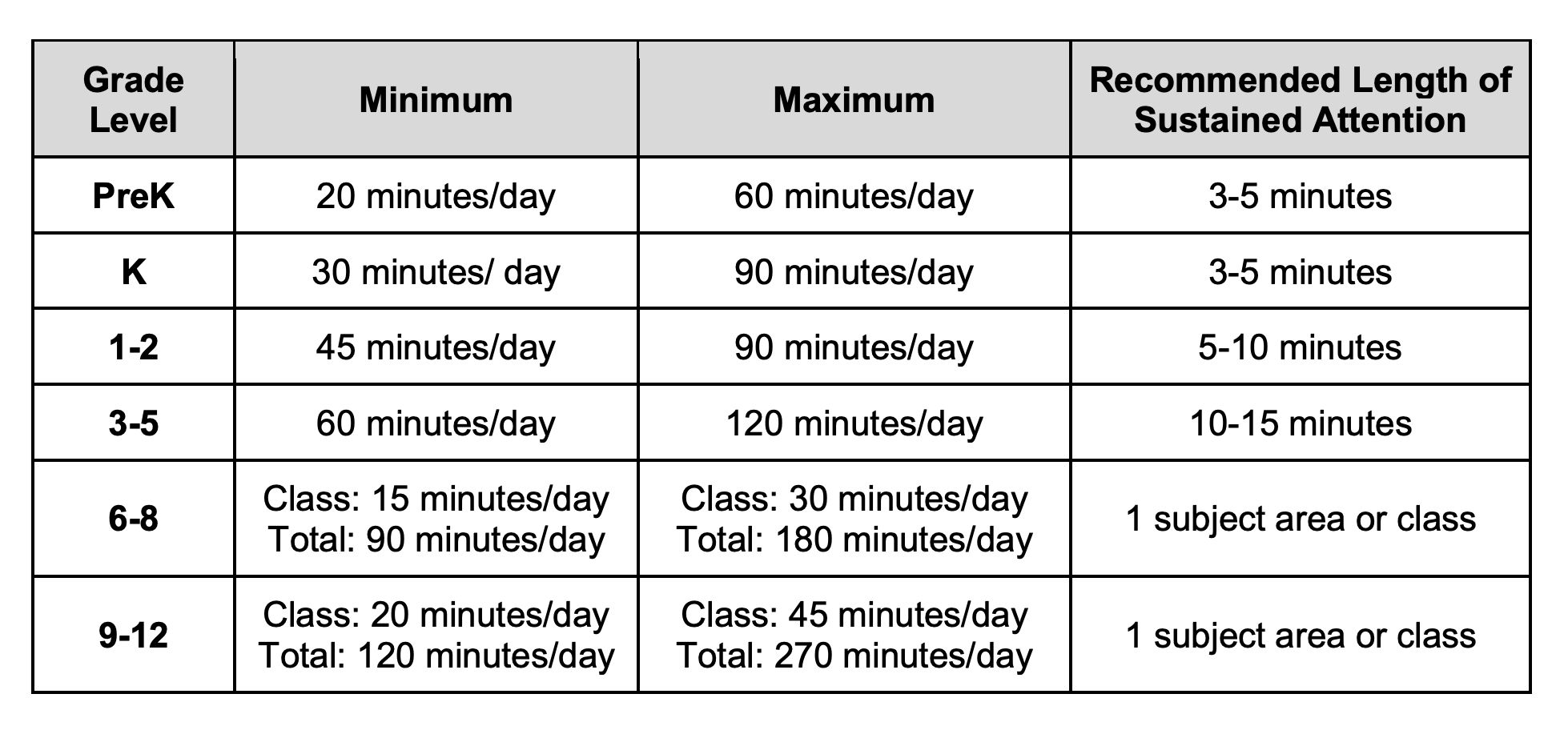
It’s important to set realistic expectations that match your child’s abilities. Pushing too hard or expecting too much can lead to increased frustration and a sense of failure. Instead, set achievable goals and celebrate small successes to build your child’s confidence. Remember that homeschooling lessons typically take a fraction of the time they do in a busy classroom, so you shouldn’t be expecting your child to sit and do schoolwork for multiple hours per day.
Here is an outline of the typical timelines for how long homeschooling should take you each day:
Tip: Use positive reinforcement to encourage effort, rather than focusing solely on the outcome. This helps kids learn that progress is more important than perfection and reduces frustration intolerance. Adapt your expectations to their needs and abilities. One child may complete 10 math questions in 20 minutes, but another might only complete 2 questions in the same time. If both are trying their best, they should both be done after the 20 minutes of sustained attention.
4. Create a Calm Learning Environment
A calm and structured environment can significantly reduce sensory overload and help your child focus on their tasks without becoming overwhelmed. This is particularly important for ADHD and autistic children who may be sensitive to noise, light, or other sensory stimuli, leading to more frustration intolerance. Being at home gives you a unique opportunity to curate a perfect learning environment for your child- whether that means learning at a desk, on the couch, or on the trampoline- you can make the best situation for their needs.
Tip: Designate a quiet, comfortable space in your home for learning, free from distractions and sensory triggers.
5. Use Visual Supports
Visual supports, such as schedules, social stories, and visual timers, can help manage frustration intolerance in kids because it helps them understand what is expected of them and reduce anxiety about transitions or changes. These tools provide a clear, concrete way for children to process information and manage their frustration.
Tip: Use a visual timer to help your child see how much time is left for a task. This can make it easier for them to tolerate activities they find challenging or boring.
6. Model and Practice Problem-Solving Skills
Teach your child problem-solving skills by modeling how to approach challenges in a calm and methodical way. This will improve their ability to manage frustration intolerance. Encourage them to think of multiple solutions to a problem and to try different approaches when the first one doesn’t work. Modeling good frustration tolerance can be challenging for some of us- after all, we weren’t taught a lot of emotional regulation skills as kids ourselves! Remember that it’s ok to lose your cool sometimes, we all do. Its just as valuable for your child to see you make a mistake, and then take steps to correct your behavior and do any needed repair work with others, as it is for them to see you handle a situation “perfectly”.
Tip: Role-play different scenarios with your child to practice problem-solving in a low-pressure environment.
Three focused children are playing on the floor and drawing in coloring books
7. Be Patient and Supportive
It’s important to remain patient and supportive as your child learns to manage their frustration intolerance. Understand that this is a process that takes time and that setbacks are normal. Your role as a parent is to provide guidance, encouragement, and a safe space for your child to express their emotions. When they are emotionally dysregulated, or are escalating, try your best to be the calm to their storm, and not to have your own frustrations escalate in response. I know it can be hard when you go through this regularly! Take deep breaths, remind yourself that this is how their brain works and they are not doing it on purpose or to be willful or “naughty”, and take breaks and step away when you need to. You got this!
Tip: Validate your child’s feelings by acknowledging their frustration and letting them know it’s okay to feel upset. Then, gently guide them toward using their coping strategies. A Quiet Corner can be an excellent space for calming big emotions.
Adding SEL to Your Home Learning Program
Frustration intolerance is often linked to executive dysfunction and emotional regulation skills. As homeschooling parents, we are lucky to be able to add learning these crucial skills into our home learning programming in ways traditional schools cannot. These skills are the cornerstones of comprehensive Social-Emotional Learning programs. You can learn more about adding an SEL program to your homeschool or download the free book from Schoolio.
Conclusion
Frustration intolerance is a common challenge for ADHD and autistic kids, but with the right support and strategies, they can learn to manage their emotions and build resilience. As a homeschooling parent, you have the unique opportunity to create a learning environment tailored to your child’s needs, helping them develop the skills they need to overcome frustration and succeed. Remember, patience and understanding are key to helping your child navigate their emotions and learn in a way that works best for them.
Have you ever envisioned providing your children with an educational environment where learning unfolds through exploration and interaction? What if I told you it is completely possible to offer your young adventurers this dynamic experience. Imagine a setting where children engage with the wonders of nature, and leave conventional learning methods behind. We invite you to discover the captivating world of nature-based homeschooling.
Nature schooling represents a progressive educational philosophy that prioritizes experiential learning. This approach advocates for children to immerse themselves in outdoor exploration, observation, and discovery, thereby fostering a deeper and more intuitive understanding of the world around them.
Introduction to Nature-Based Homeschool Curriculum
Nature-based homeschooling is an educational approach that merges the natural world into the learning process. This teaching method creates a rich, engaging learning experience. It not only nurtures your children’s intellect and emotions, but supports their physical development as well.
Nature-based homeschooling encourages resilience and adaptability by exposing students to the ever-changing outdoor world. These qualities help children develop critical life skills and a profound respect for the planet. Let’s delve into what makes this approach so impactful.
What Makes Nature-Based Curriculum Unique?
A nature-based curriculum distinguishes itself through its focus on incorporating the natural environment into the educational experience. Here’s what sets it apart from other pedagogical approaches:
Nature-based homeschooling takes a holistic approach to education. It goes beyond textbooks and worksheets by immersing children in the world around them. This method recognizes that learning happens everywhere, not just within the four walls of a classroom. It encourages children to see the connections between different subjects and understand how they relate to the real world.
For example, a lesson on ecosystems might begin with a hike through a local forest. During the hike, children can observe various plants and animals in their natural habitats, taking notes and asking questions. Back at home, you can link these observations to subjects such as:
Science: Studying the food chain.
Art: Drawing or painting the observed flora and fauna.
Language Arts: Writing a descriptive essay about the hike.
At the heart of nature-based homeschooling is experiential learning, where your kids learn by doing. Whether it’s planting a garden, studying insects, or mapping the stars, this hands-on approach makes lessons more memorable. It helps children develop practical skills that they can use throughout their lives. Schoolio provides high quality learning resources that seamlessly integrate with hands-on, experiential learning.
For instance, measuring the growth of plants in a garden teaches children about biology, math, and responsibility. Building birdhouses or identifying different bird species fosters skills in woodworking, patience, and observation.
Outdoor exploration is a key component of nature-based homeschooling. Children spend significant time outside, whether in their backyard, local parks, or nature reserves. Through activities like hiking, birdwatching, and nature journaling, they learn to observe their surroundings and discover the wonders of the natural world.
This kind of exploration creates a sense of wonder and curiosity that is important for lifelong learning. Nature-based homeschool curriculum enhances sensory experiences. It allows children to engage with their surroundings through touch, smell, sight, and sound. This practice improves sensory processing and cognitive development in your kids.
Additionally, this approach encourages physical activity and enhances mental wellness.
Nature-based learning encourages children to think outside the box. It also enhances emotional intelligence and problem-solving skills. . Engaging creatively with their environment helps kids to develop critical thinking skills.
The diverse and unpredictable nature of the outdoors challenges children to adapt and innovate. As a result, further strengthening their cognitive abilities.
Time spent outdoors boosts physical, emotional, and social health. The fresh air and open spaces provide a perfect setting for children to run, play, and explore, promoting overall well-being.
Children develop a lifelong love for learning through their natural curiosity. Nature-based homeschool curriculum encourages them to ask questions, seek answers, and explore their environment, leading to a deeper understanding and appreciation of the world around them.
How Do You Integrate Nature Study Into Your Homeschool?
Here are some practical and engaging ways to seamlessly incorporate nature into your daily young explorer’s learning activities:
Schedule weekly or bi-weekly nature walks in local parks, forests, or nature reserves. Use these outings to observe wildlife, document findings, and discuss ecological concepts.
Conduct science experiments outside, such as studying plant growth, observing insect behavior, or measuring weather patterns. This hands-on approach makes scientific principles tangible and engaging.
Encourage children to keep a nature journal where they can draw, write, and reflect on their outdoor experiences. This activity enhances observational skills and reinforces learning through creative expression.
Use natural elements as inspiration for art projects, such as leaf rubbings, nature collages, or landscape painting. Integrate nature-themed literature into your reading list to connect storytelling with the natural world.
Start a garden at home where children can plant, care for, and observe the growth of various plants. Gardening teaches responsibility, patience, and the basics of botany whilst providing a living laboratory for hands-on learning.
Nature-Based Curriculum Options
If you’re ready to dive into a full nature-based homeschool curriculum, here are some fantastic options:
This secular curriculum is highly adaptable and emphasizes hands-on exploration. It integrates various subjects with nature study, making learning a cohesive and engaging experience.
Known for its holistic approach, Oak Meadow integrates nature and the arts seamlessly. It offers a rich, comprehensive curriculum that encourages creativity and a deep connection with the natural world.
Based on Charlotte Mason’s methods, this curriculum focuses on nature studies. It provides a structured approach to learning while allowing for plenty of outdoor exploration and observation.
Perfect for early learners, this curriculum combines basic concepts with outdoor activities. It helps young children develop foundational skills through engaging, nature-based experiences.
A year-long, themed nature study that provides structured, yet flexible learning. Each week focuses on a different nature theme, offering a variety of activities and lessons that can be adapted to suit your child’s interests and needs.
Waldorf education, with its emphasis on creativity and nature, is a perfect fit for nature-based homeschooling. Consider these options:
Offers seasonal celebrations and studies inspired by Waldorf principles. It blends academic learning with creative, hands-on activities that align with the rhythms of nature.
Focuses on nature-based storytelling and artistic expression. This curriculum encourages children to connect with nature through stories, art, and imaginative play.
Combines the best of Waldorf and Charlotte Mason methods. It offers a variety of resources and guides that help you create a nurturing, nature-based learning environment.
Supplemental nature-based resources are excellent for enhancing any existing curriculum and sprinkling some outdoor magic into your homeschooling journey!
Take math lessons outdoors with this innovative approach. It uses natural materials and outdoor activities to teach math concepts, making learning fun and engaging.
Encourages play-based skill development through outdoor exploration. Tinkergarten offers a variety of activities that promote physical, cognitive, and social-emotional development.
Provides nature study guides, flashcards, and posters. These resources enhance your child’s understanding of the natural world and support their learning in a fun, interactive way.
Offers printables, nature study guides, and seasonal activities. It provides a wealth of resources that you can use to supplement your child’s learning and bring nature into your homeschool.
Combines crafts, recipes, songs, and stories with nature themes. Rooted Childhood offers a variety of hands-on activities that encourage children to explore and connect with nature.
Includes guided nature study lesson plans and journaling. These resources help to create structured nature study sessions that are both educational and enjoyable.
Features printable activity packs and seasonal guides. These resources provide a variety of activities that encourage children to explore and learn about the natural world.
Conclusion
A nature-based homeschool curriculum proves to be a meaningful and enriching method for educating your children. This captivating approach not only ensures a robust educational foundation, but also creates an invaluable collection of memories. Picture your children reminiscing about a hike to a waterfall, counting acorns instead of plastic cubes, or enjoying a read-aloud session beneath a canopy of trees.
With some preparation, you can elevate everyday learning into grand adventures. The advantages extend beyond academics—irritable moods and restless bedtimes are alleviated by the hours spent outdoors in the fresh air.
Embrace nature-based homeschooling and watch your children thrive as they explore, discover, and learn in the great outdoors. Schoolio offers academic content that includes both the opportunity for outdoor exploration and enriching pedagogy that promotes creativity.
Are you tired of watching your child not doing well with traditional learning methods? If your idea of a ‘school desk’ usually involves glitter, glue, and a whole lot of mess, you’re probably parenting a kinesthetic learner!
Does your kinesthetic learner thrive on hands-on activities but seems disinterested with conventional curriculum? If so, you’re not alone. Many parents face the same situation. Nevertheless, here is the good news!
There are curriculum options designed specifically for kinesthetic learners that can turn homeschooling into an engaging and dynamic experience.
Now, to select the right homeschool curriculum for hands-on learners, it is essential to understand what requires special attention. This step will help you figure out what complements your kid’s special requirements and simplify the “How” so you can find the right option.
Let us discuss this in detail!
How To Find The Right Homeschool Curriculum For Hands-On Learners?
Teaching kinesthetic learners is different compared to visual and auditory learners. Kinesthetic learners thrive on movement and hands-on activities, which can require more planning and resources.
Perks of homeschooling your children offer great monitoring chances, experimenting, and ample amount of time to adjust to the curriculum.
By addressing these key points, you can make homeschooling fun and enjoyable for your kids. Furthermore, what is more wonderful than your unique little learner not having to fit into any box? Yes, they do need extra effort; let’s understand what?
Need for Active Engagement:
Kinesthetic learners often don’t respond well with traditional teaching methods that rely heavily on listening (auditory) or watching (visual) without physical interaction. They may become restless or disengaged during lectures or when reading from a textbook.
Solution:
Add some easy physical activities, experiments, art projects, and craft activities. This will keep kinesthetic learners engaged and actively participating.
Allow for flexible seating options such as standing desks, exercise balls, or floor seating to help your child be at ease while learning.
Utilize interactive technology such as educational apps, touchscreen devices, and virtual reality. These tools can provide interactive and immersive learning experiences that appeal to kinesthetic learners.
Resource-Intensive Lessons:
Creating lessons that engage kinesthetic learners often requires more materials and space.
Solution: Engaging kinesthetic learners with resource-intensive lessons can be challenging, but with some creative solutions and strategic planning, it can be manageable.
Join or create a network with other homeschooling families to share resources.
Take advantage of community resources such as libraries, museums, and local businesses. Many offer free or low-cost materials, workshops, and educational kits.
Create your own educational materials using inexpensive items. For example, use household items for science experiments or craft projects.
Invest in multi-purpose manipulatives across different subjects. Items like Lego blocks, playdough, or dry-erase boards for a variety of educational activities.
Assessment Methods:
Standardized tests and traditional assessment methods may not accurately reflect the abilities of kinesthetic learners. They often perform better in assessments that allow for the demonstration of skills through projects or hands-on activities rather than written tests.
Solution:
Instead of traditional tests, assign projects that allow your children to demonstrate their understanding through hands-on activities. For example, building models, creating art pieces, conducting experiments, or presenting research projects.
Include cooking projects, constructing models, or role-playing historical events.
Create assessments that mimic real-world scenarios and applications of knowledge. Like simulated business projects, community service projects, or mock science fairs.
Schoolio’s assessment methods include a variety of hands-on projects, ensuring a more accurate reflection of your child’s abilities.
Curriculum Flexibility:
Kinesthetic learners benefit from a flexible curriculum that allows for customization and adaptation based on their interests and learning styles. This can be more time-consuming for educators to design and implement compared to more rigid, traditional curricula.
Solution :
Design a curriculum in which modules or units that can be rearranged or tweaked based on the learner’s interests and progress.
Allow your kids to choose projects based on their interests, ensuring they are motivated and engaged.
Include options like writing a book report, creating a diorama of a scene, acting out a chapter, or designing a new book cover.
Schoolio’s flexible modules make it easier for parents to tailor the learning experience to their child’s unique needs.
Understanding these points is crucial for parents and educators to support kinesthetic learners effectively. By recognizing and addressing these unique needs, You create a more inclusive and engaging learning environment for your kiddos.
As it is said, every child is special in their own distinct ways!
Understanding Kinesthetic Learners
Kinesthetic learners are a unique bunch. They learn best by doing, touching, and experiencing. Homeschool curriculum for hands-on learners includes activities like painting, building, and creating can sometimes be at odds with the typical sit-and-read or listen-and-learn educational methods.
A homeschool curriculum for hands-on learners should provide flexibility and opportunities for active participation to keep their minds and bodies engaged. Do you want to dig deeper into these amazing homeschool curricula for hands-on learners? Then, let’s go!
Unit Studies and All-in-One Curriculum
Schoolio:
Schoolio is a versatile curriculum designed for children from kindergarten through 8th grade. It is an excellent, interactive, and engaging educational program. Also, this platform provides a variety of lessons and activities that cater specifically to kinesthetic learners. This curriculum ensures that kids stay actively involved in their education through hands-on projects and dynamic learning experiences.
Schoolio’s comprehensive curriculum covers all core subjects, including math, science, language arts, and social studies. The program’s flexibility allows for customization based on each child’s interests and learning pace, making it an ideal choice for homeschooling families. By incorporating interactive lessons and engaging projects, Schoolio helps kinesthetic learners thrive and develop a love for learning.
Easy Peasy All-in-One Homeschool!
This curriculum is a lifesaver for busy parents. Designed for children from preschool through high school, Easy Peasy offers a minimal prep time approach. It includes activities such as narration, picture studies, living books, copy work, and fun projects that cater to kinesthetic learners. The variety of activities ensures that learning stays interactive and engaging.
Moving Beyond the Page
Perfect for kids aged 4 through 14, Moving Beyond the Page takes learning to the next level with its moderate prep time and wealth of resources. This curriculum includes manipulatives, projects, science experiments, hands-on math, colorful books, puzzles, activity pages, and discussions.
Tapestry of Grace
Tapestry of Grace is designed for kindergarten through 12th grade and involves significant prep time, ideally over the summer. This curriculum features living books, hands-on activities, discussions, crafts, and optional group activities. It also encourages the involvement of Dad each week, making it a family affair.
Time4Learning
An online curriculum for pre-K through high school, Time4Learning requires no prep time. It offers a variety of resources and activities, including printable worksheets, games, activities, animated lessons, instructional videos, and multimedia activities. This option is perfect for tech-savvy families looking for a comprehensive and interactive learning experience.
Reading, Literature, Spelling & Grammar
All About Reading
All About Reading is an interactive, multi-sensory program for children from pre-K through 4th grade. It requires little to no prep time and includes discussion, hands-on activities, read-aloud sessions, and illustrated readers. This curriculum ensures that learning to read is a fun and engaging process for your kinesthetic learner.
Logic of English
Aimed at children aged 4 to about 10, Logic of English offers easy-to-teach lessons using multi-sensory methods. It is a great way to introduce young learners to the joys of Reading and writing interactively and engagingly.
All About Spelling
This program, with seven adjustable levels, uses a multi-sensory approach to teaching spelling. Hands-on activities and engaging lessons ensure that your child is actively involved in their learning process.
Schoolhouse Rock
For elementary and middle school kids, Schoolhouse Rock uses music videos to teach parts of speech and grammar rules. With fun songs, catchy tunes, silly situations, and dancing to music, learning grammar becomes a dynamic and enjoyable experience.
Winston Grammar
Winston Grammar is suitable for grades 4 through 12 and involves minimal prep time. It employs an interactive approach where your children learn through moving, seeing, hearing, and speaking, making grammar lessons lively and memorable.
Writing & Handwriting
WriteShop
WriteShop offers resources for kids from kindergarten to high school, requiring minimal prep time. Different levels include WriteShop Primary, which features crafty publishing ideas and oral activities; WriteShop Junior, which covers reports, poetry, and creative activities; and WriteShop I & II, which focuses on graphic organizers and varied lessons.
Handwriting Without Tears
This program, for pre-K through 5th grade, involves minimal prep time and activities such as playing, singing, and building letters at early levels. Developmentally appropriate materials are used in later levels, making handwriting practice a hands-on and enjoyable task.
Math
Horizons Math
Horizons Math caters to children from pre-K through 12th grade with resources and activities like stories, poems, games, manipulatives, and illustrated lessons. This curriculum keeps math interactive and fun, ensuring that kinesthetic learners stay engaged.
CTCMath (online)
Suitable for kindergarten through 12th grade, CTCMath requires no prep time and includes tutorials, demonstrations, diagrams, charts, printable worksheets, certificates, interactive questions, and multi-sensory activities. This online option is perfect for those who prefer a tech-based approach to learning.
Math U See
Math U See focuses on children from kindergarten to 12th grade, with prep time ranging from minimal to moderate. It includes manipulatives, overlays, videos, and hands-on experiences, making math a tactile and engaging subject.
Right Start Math
Right Start Math, for kindergarten through 8th grade, involves moderate prep time and offers manipulatives, games, activities, and worksheets. This curriculum focuses on making math a hands-on and enjoyable experience for kinesthetic learners.
Science
Apologia’s Exploring Creation Series
Apologia’s Exploring Creation Series aims at children from kindergarten to 6th grade, with minimal to moderate prep time. It includes conversational Reading, experiments, creative assignments, discussion, notebooking, drawing, coloring, bookmaking, and cut-and-paste activities. This curriculum makes science exploration fun and interactive.
The Rainbow (by Beginnings Publishing)
Designed for junior high children, The Rainbow involves moderate prep time for labs and offers entertaining readings, laboratory experiments, word problems, and various activities. This curriculum is perfect for kinesthetic learners who love hands-on science experiments.
Social Studies/History
BiblioPlan
BiblioPlan is suitable for children from kindergarten to 12th grade, with moderate to high prep time. It includes research, writing assignments, timelines, maps, hands-on activities, coloring pages, and history cards. This curriculum brings history to life with engaging and interactive lessons.
History Revealed Series (by Diana Waring)
The History Revealed Series is for elementary through high school children. It features living books, hands-on activities, geography, music, art, science, discussion, and writing. This curriculum ensures that learning history is engaging and interactively.
Mystery of History
Mystery of History caters to children from kindergarten to 12th grade, with moderate to high prep time. It includes audio CDs, worksheets, maps, reading lists, coloring pages, challenge cards, notebooking, timeline activities, and crafts. This curriculum makes history an exciting and hands-on subject.
Story of the World (with optional activity books)
Story of the World aims at kids from 1st to 8th grade. With optional activity books, it includes map activities, games, coloring pages, cooking projects, crafts, experiments, and puzzles. This curriculum offers a comprehensive and interactive approach to learning history.
STEM
Robotics
Robotics is suitable for various grades and focuses on robotics and engineering through hands-on builds. This curriculum is perfect for kinesthetic learners who enjoy constructing and problem-solving.
ThinkPlay Construction Sets
ThinkPlay Construction Sets offer problem-solving builds and STEM-focused activities. These sets provide a hands-on approach to learning engineering and design principles.
Zoob Constructs
Zoob Constructs include various build options that enhance problem-solving skills. These activities keep kinesthetic learners engaged and actively involved in their learning.
Engino Builds
Engino Builds focuses on vehicles and simple machines, providing hands-on engineering activities that are perfect for kinesthetic learners. This curriculum encourages creativity and problem-solving through interactive builds.
Let’s wrap up by exploring how you can effectively implement the homeschool curriculum for hands-on learners to create a fulfilling and dynamic learning experience for your child.
Conclusion
Homeschooling a kinesthetic learner does not have to be a hard path. By choosing the right curriculum that caters to hands-on activities and interactive learning, you can make education an exciting and engaging experience for your child.
Whether it is through science experiments, creative assignments, or hands-on math lessons, these curriculum options ensure that your kinesthetic learner thrives in a homeschooling environment.
Expert-curated programs by Schoolio ensure that your kinesthetic learner thrives in a homeschooling environment. There is a 7-day free trial available for you to make an easy decision according to your child’s needs.