
Mindful Learning for Child Athletes: Balancing Brain and Brawn
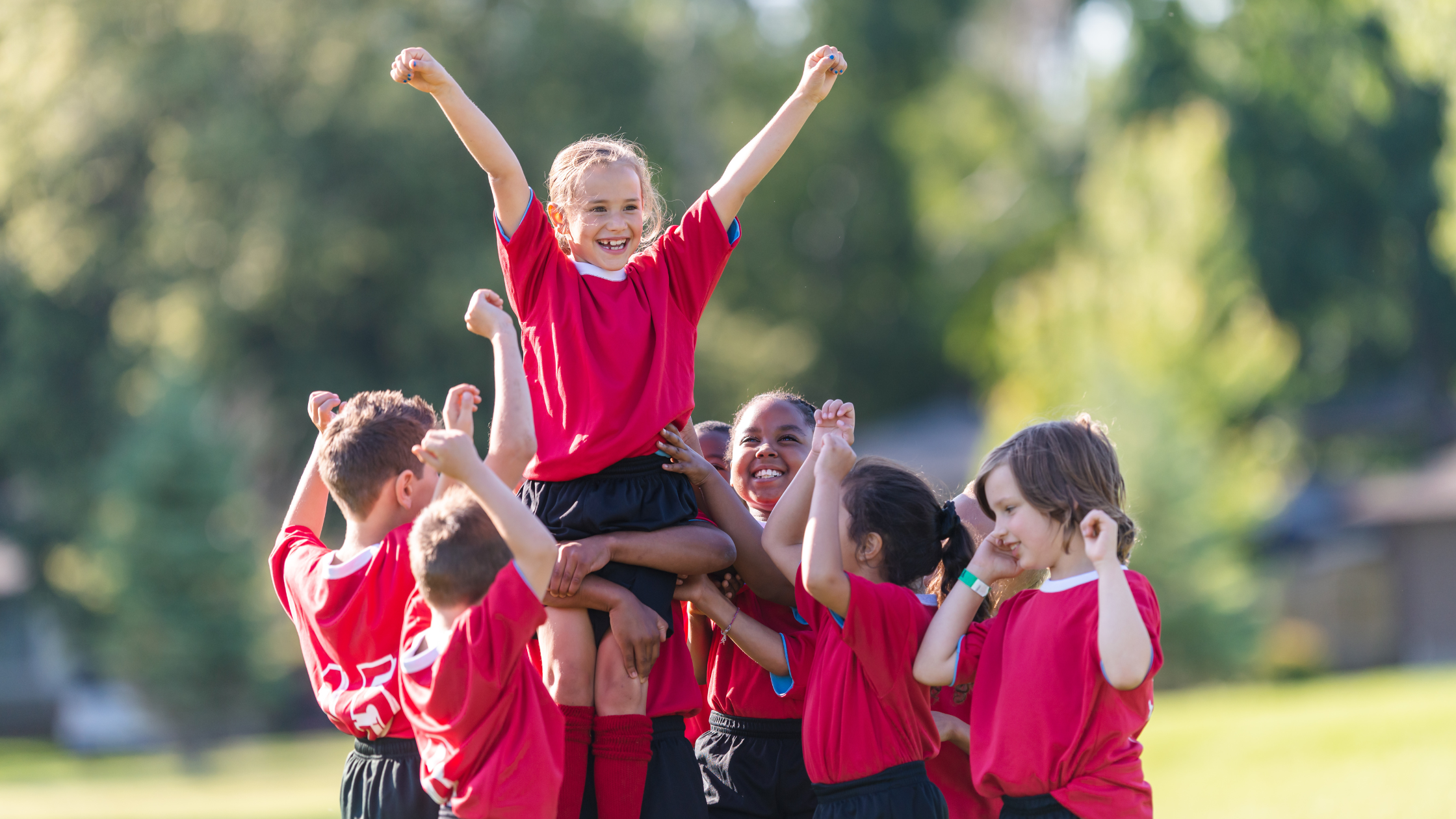
In the world of competitive sports, young athletes often face the challenge of balancing their rigorous training schedules with their academic responsibilities. Homeschooling has become a popular option for families seeking to provide their child athletes with a flexible and tailored education. By integrating athletic development and mindful learning for child athletes into their homeschooling curriculum. Parents can ensure that their children receive the support they need to excel both on the field and in the classroom.
Understanding the Need for Flexible Education
Challenges Faced by Child Athletes
Child athletes often juggle demanding training schedules, travel commitments, and competitions. This leaves little time for traditional schooling. The rigid structure of conventional education can sometimes impede their ability to fully pursue their athletic passions while keeping up with their studies.
The Role of Flexible Education
Flexible education for young athletes offers a solution to this dilemma by allowing them to tailor their learning experiences to accommodate their training schedules. By providing a customizable academic curriculum, homeschooling enables child athletes to balance their athletic pursuits and educational goals.

Benefits of Homeschool Programs for Child Athletes: Tailored Learning Experiences
Personalized Academic Support
Homeschool programs for child athletes are designed to provide individualized attention and support, allowing students to progress at their own pace. This tailored approach ensures that each child receives the academic assistance they need to succeed, regardless of their skill level or learning style.
Integration of Athletic Development
Unlike traditional schooling, which may prioritize academics over extracurricular activities, homeschool programs for child athletes place a strong emphasis on athletic development. By integrating sports-focused learning activities into their curriculum, these programs help students develop essential skills such as teamwork, discipline, and perseverance.
Flexibility and Adaptability
Accommodating Training Schedules
One of the primary advantages of homeschooling for young athletes is its flexibility. Parents can schedule academic lessons. These can be planned around their child’s training sessions, competitions, and travel commitments, ensuring that their education remains a priority without compromising their athletic pursuits.
Adjusting to Individual Needs
Homeschooling allows for greater flexibility in adapting the curriculum to meet the unique needs and interests of each child. Whether they require extra support in certain subjects or wish to explore advanced topics beyond their grade level, homeschool programs can be tailored to accommodate these preferences.

Balancing Academic and Athletic Demands
Time Management Skills
Child athletes must learn to manage their time effectively to excel both academically and athletically. By instilling strong time management skills early on, parents can help their children prioritize tasks. This also helps them set realistic goals and maintain a healthy balance between their studies and training.
Stress Management Techniques
The pressures of academic deadlines, athletic competitions, and personal expectations can sometimes take a toll on young athletes’ mental well-being. Incorporating mindfulness practices such as meditation, deep breathing exercises, and visualization techniques. These can help children cope with stress and anxiety, enabling them to perform at their best both on and off the field.
Young Athletes Can Thrive Academically and Athletically
Homeschooling offers a viable solution for families seeking to support their child athletes’ academic and athletic aspirations. By providing flexible education, tailored learning experiences, and mindful learning strategies. Parents can help their children achieve success in all areas of their lives. With the right balance of brain and brawn, young athletes can thrive academically, athletically, and beyond.

Ready to build a supportive system for your child athlete? Click here